Stress Management: Effective Methods and Daily Practices
The workday is over, but the tension remains. We explain how stress works, which techniques can help you through a difficult moment, and what to change if rest no longer restores your energy.
Editor at SOD Energy
Articles: 154

The workday is over, but the tension remains. We explain how stress works, which techniques can help you through a difficult moment, and what to change if rest no longer restores your energy.

Sudden mood changes may be linked to sleep, stress, relationships, and health. We explore seven groups of causes, ways to observe your own patterns, and signs that it may be time to seek help.

Self-love shows in how we treat our needs, mistakes, and boundaries. We explain the psychology behind it and offer six manageable steps.

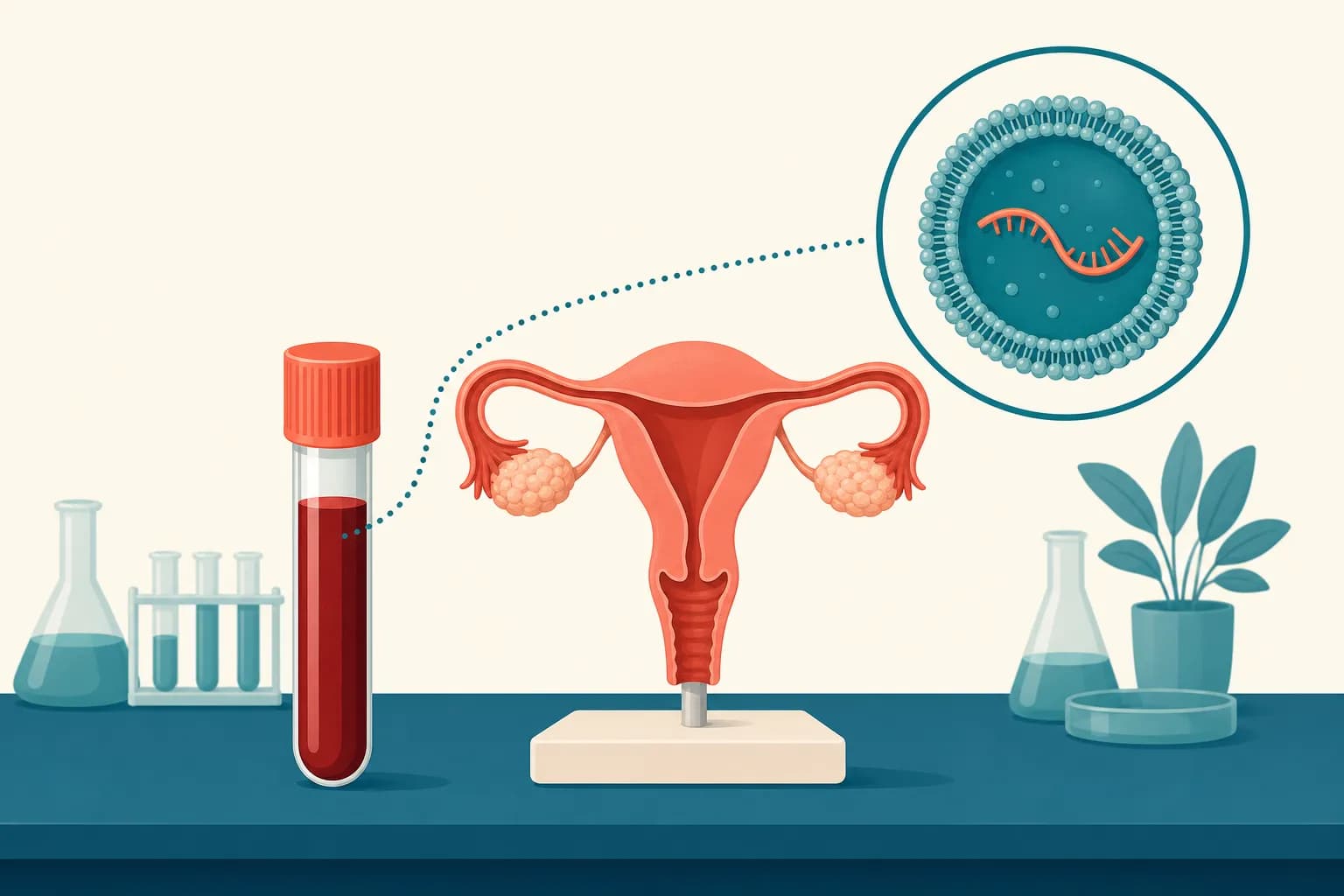
The new RNA marker Tu-stroma distinguished precancerous fallopian tube lesions better than standard CA125. We explain the study results and what’s needed before the test can be used.

Why fantasies about the future sometimes reduce our readiness to act, how they differ from mental rehearsal, and how to connect a desired outcome with a real obstacle.

Self-discovery begins with everyday observations. Learn to distinguish emotions, needs, and others’ expectations, tune in to your body’s signals, and turn self-understanding into practical decisions.

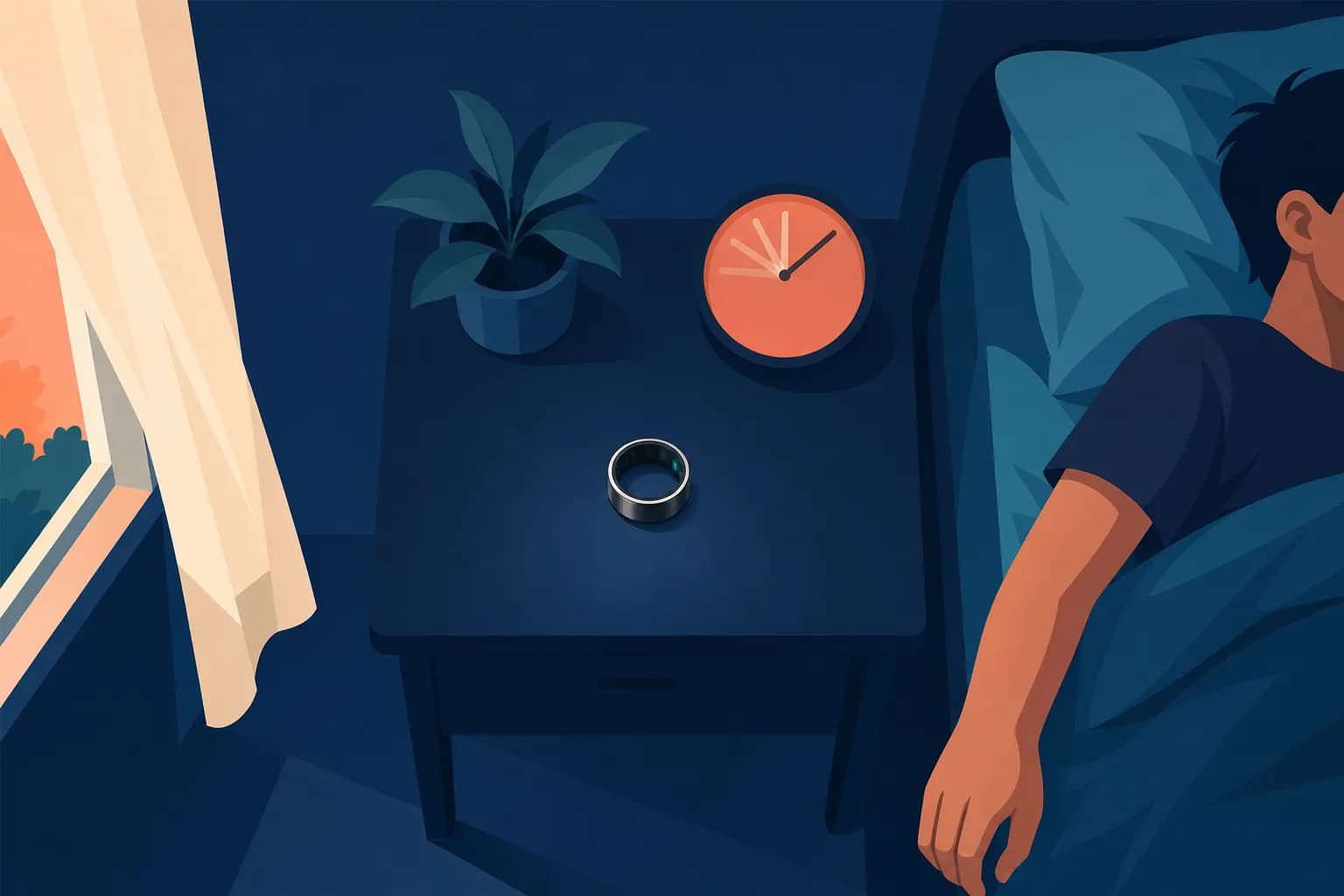
Data from smart rings worn by nearly 23,000 people linked variable sleep schedules with anxiety symptoms. We explain why consistency matters and what questions remain unanswered.

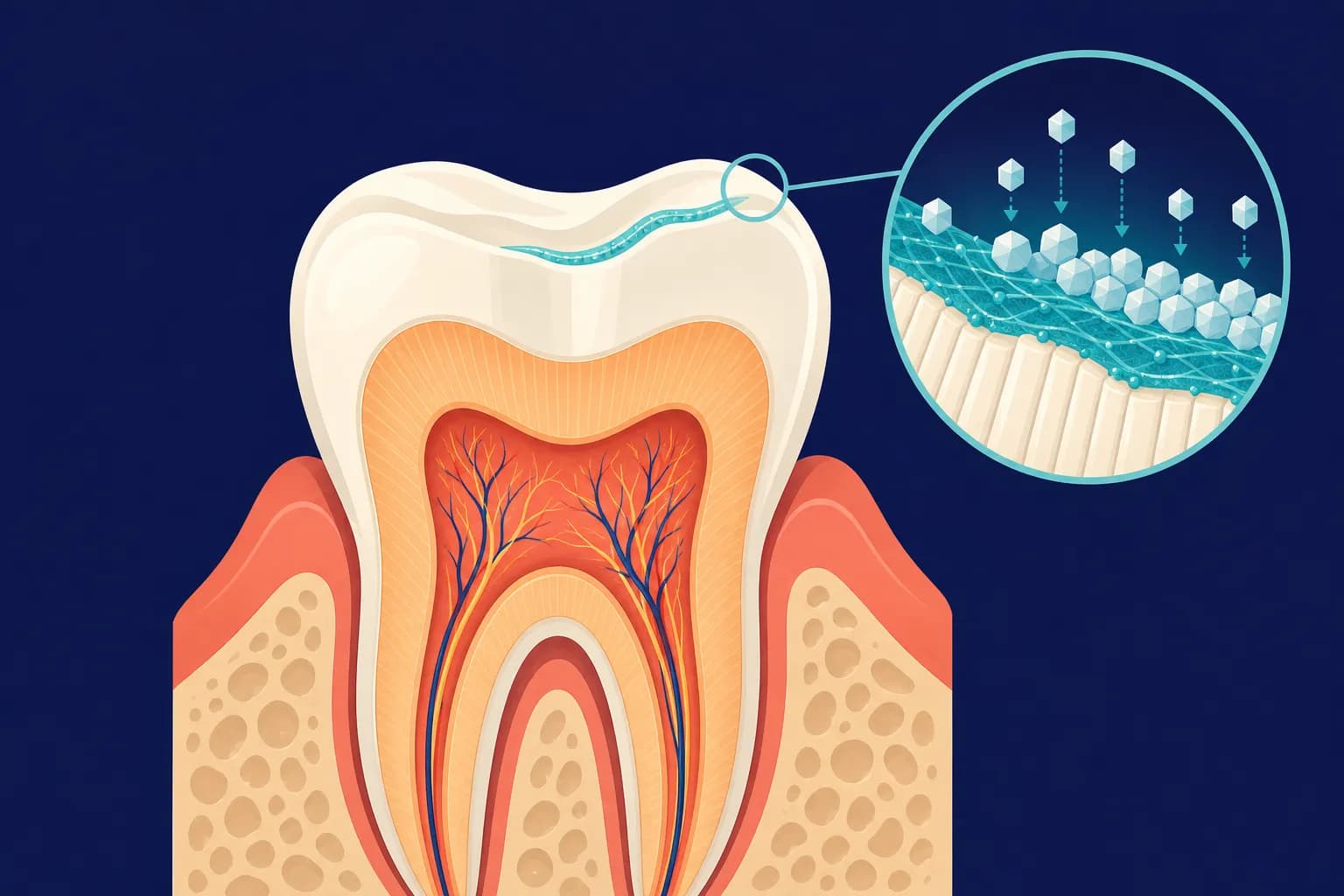
A protein gel helps saliva minerals form an enamel-like layer on teeth. How the technology works, what surface was restored, and what still needs to be tested in people.

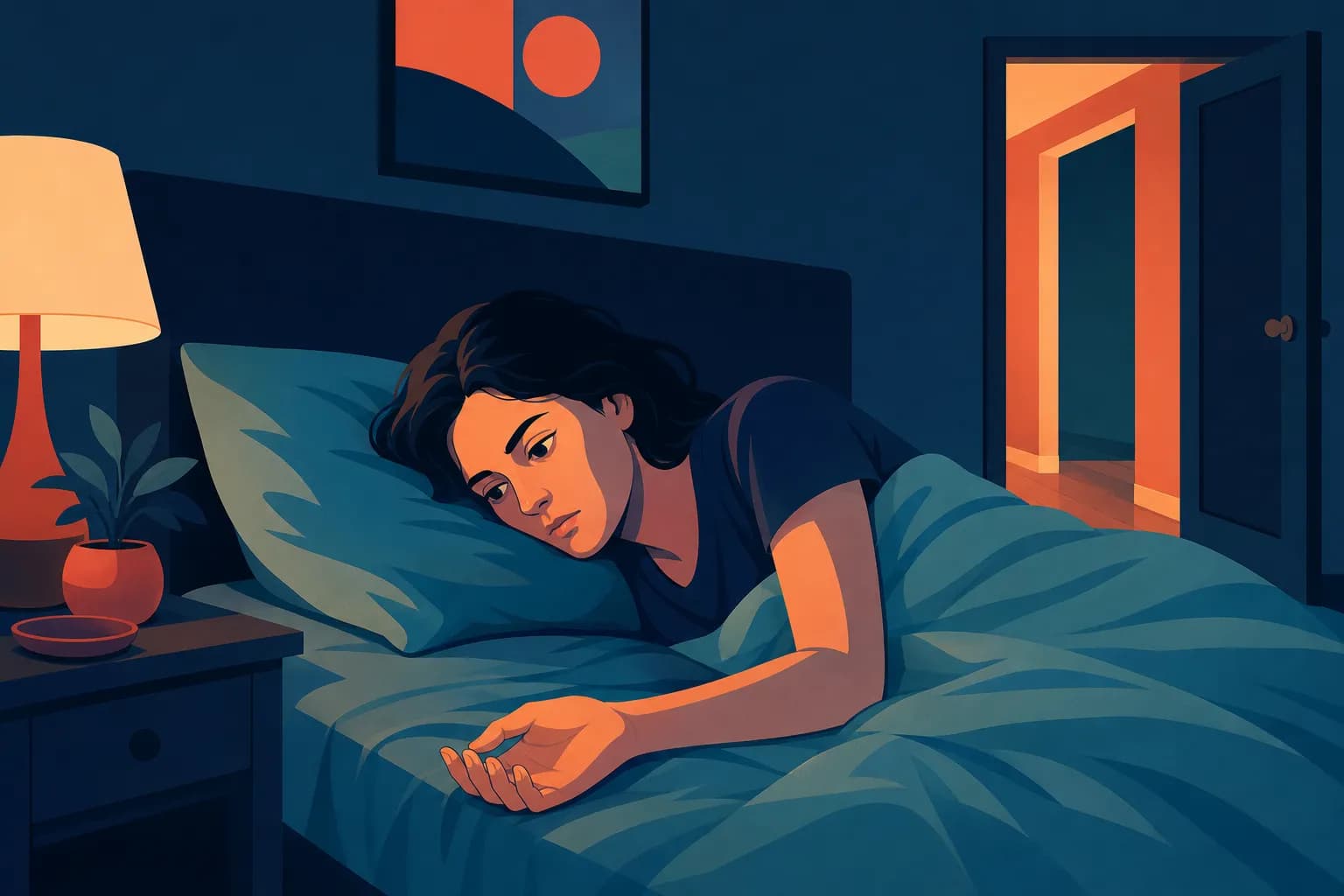
During sleep paralysis, a person becomes aware that they cannot move while REM sleep mechanisms are still active. We explore why this happens, what can help you get through an episode, and when to see a doctor.

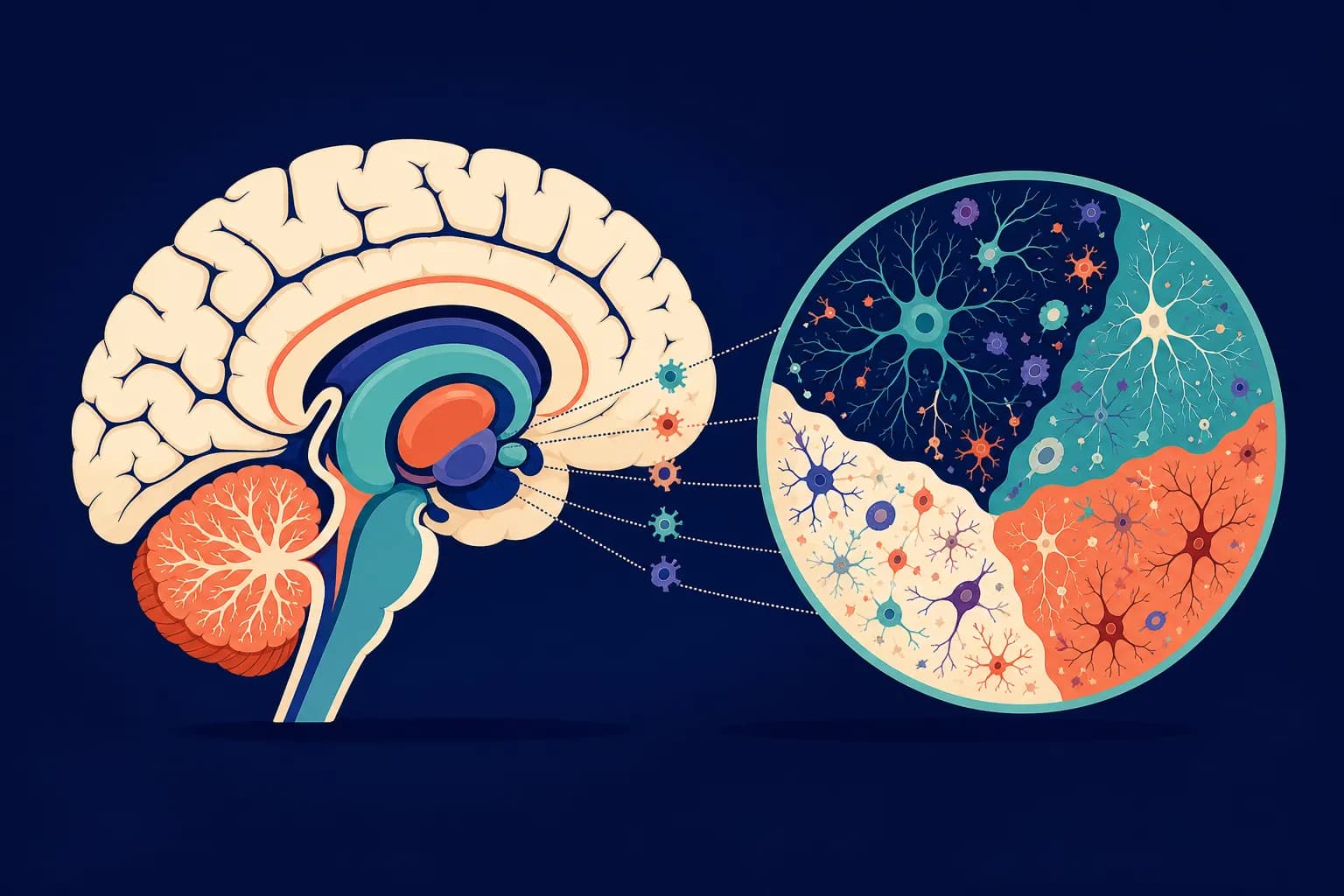
Scientists have created a cross-species atlas of the basal ganglia. We explain how these structures help reinforce actions and what a map of their cells can reveal about the mechanisms of addiction.

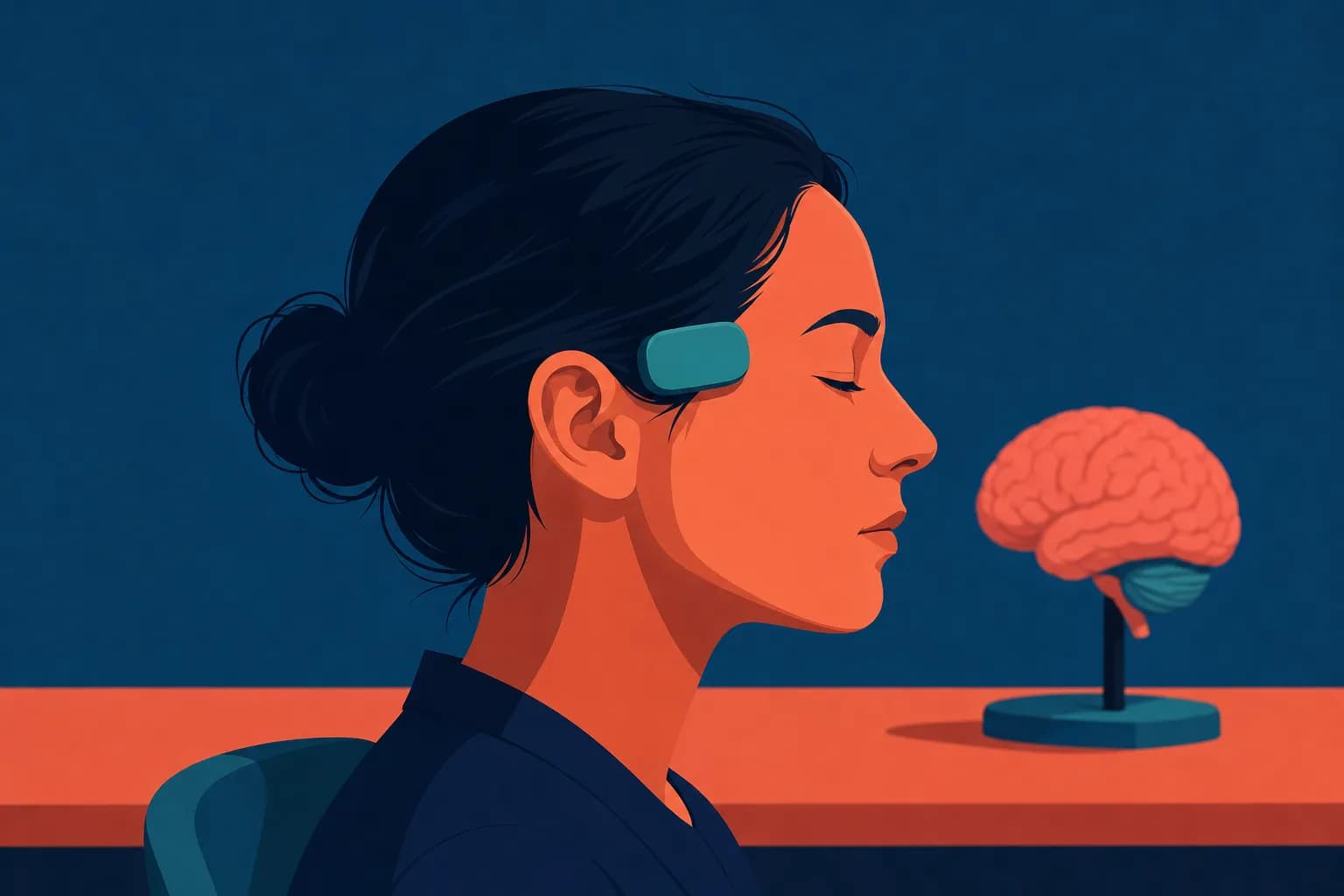
The Temple sensor promises to track brain blood flow. We examine the first BrainFlow studies, what the Entropy metric means, and the validation needed before the numbers can guide health decisions.

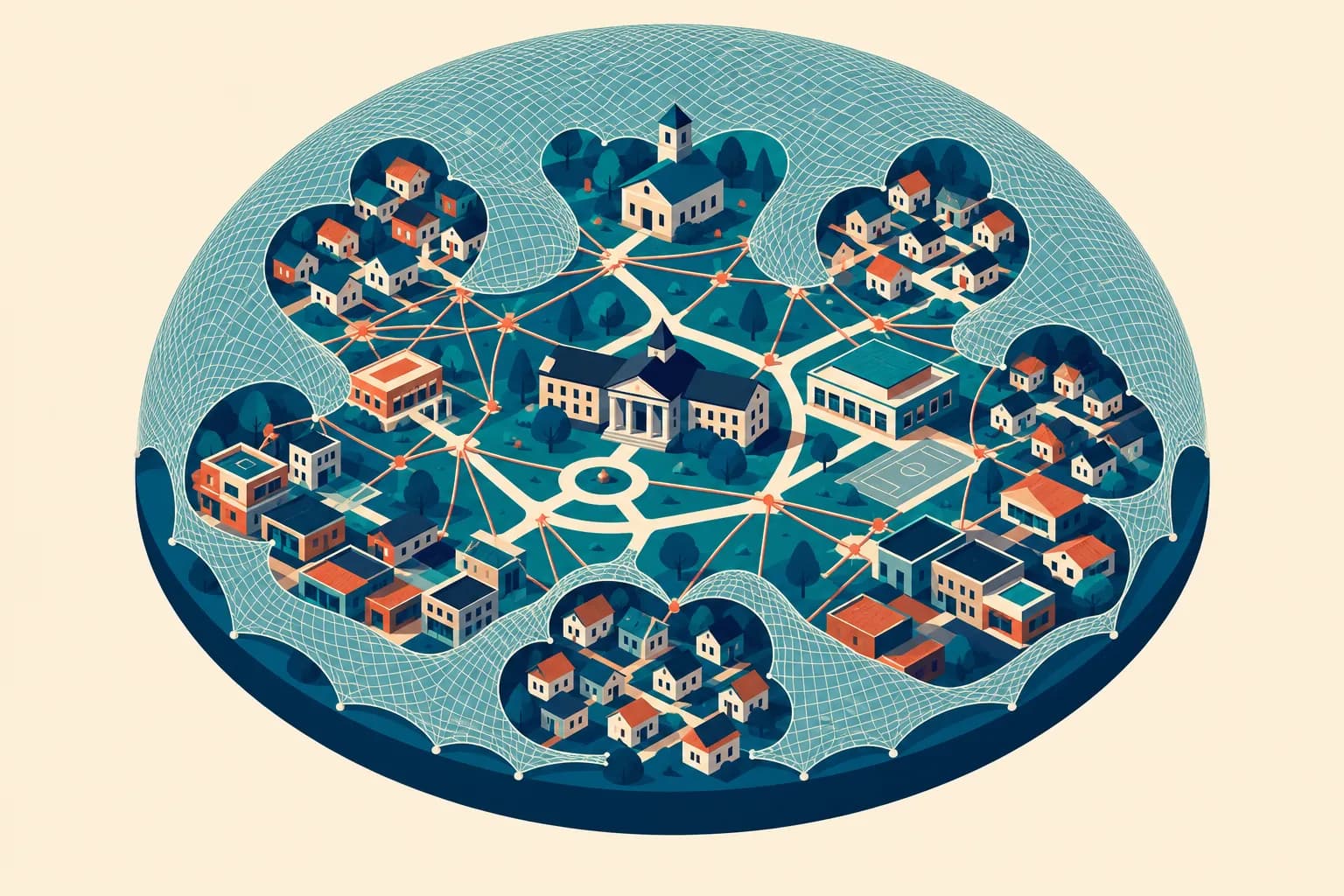
The U.S. is reviewing its measles elimination status amid rising case numbers. We explain why high average vaccination coverage does not protect communities where many people remain susceptible.

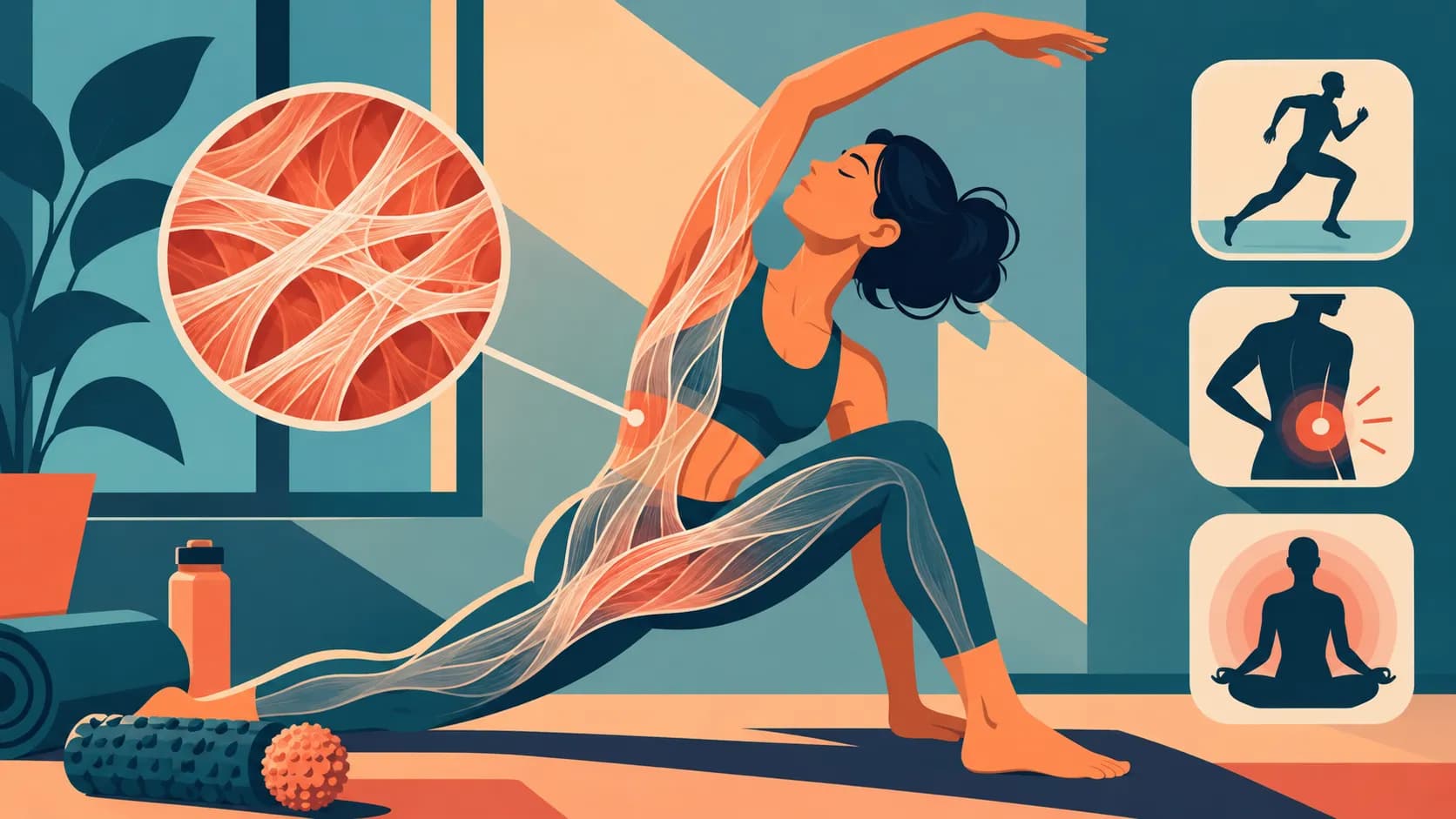
Fascia connects the body's structures and contains sensitive nerve endings. We explore how it contributes to movement and pain, and what to expect from stretching, foam rolling, and myofascial release.

Fear of being exposed can coexist with a strong need for recognition. We explore the connection between impostor syndrome and vulnerable narcissism, and explain why they are different phenomena.

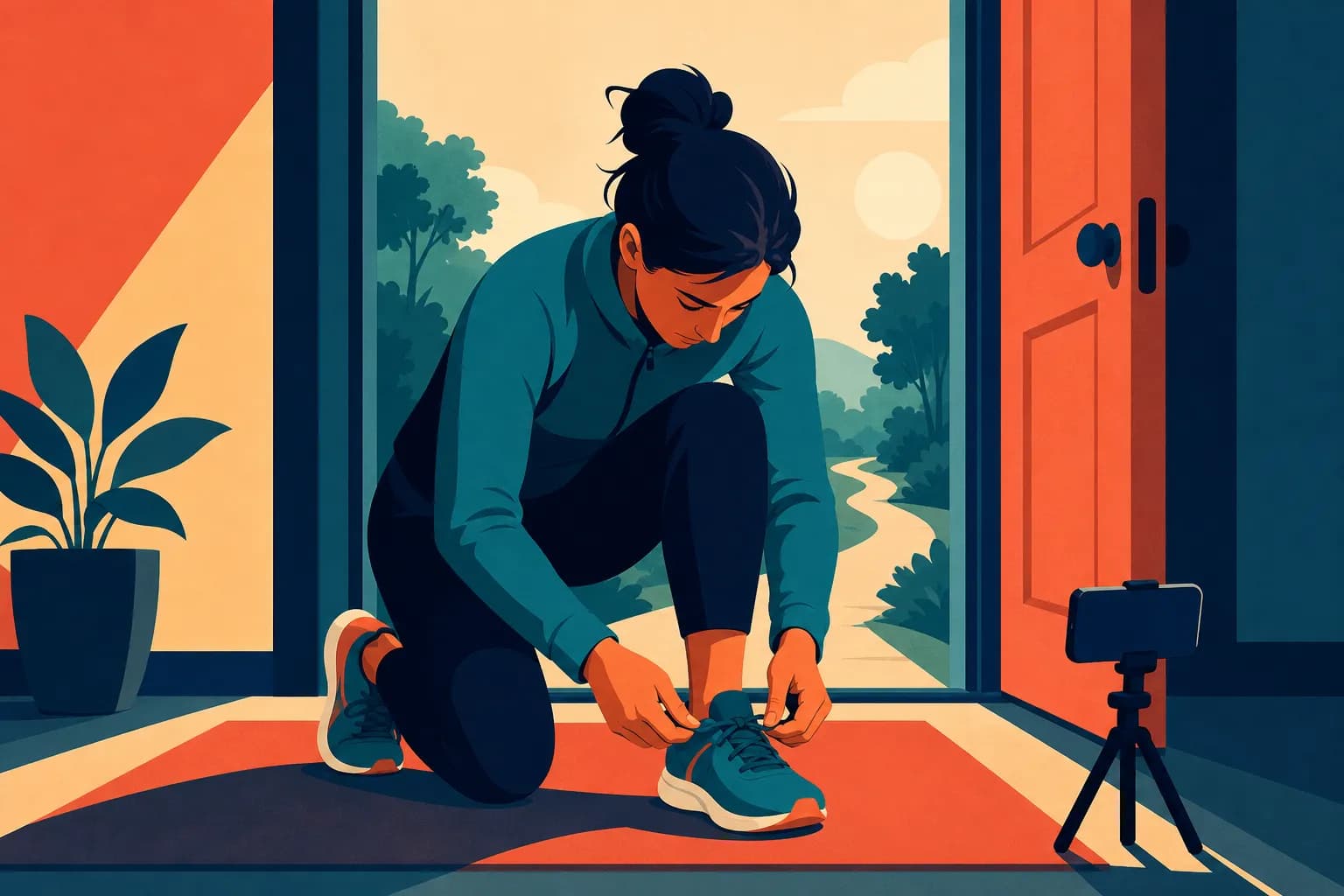
A public promise can bring recognition or help you organize your work. We look at how announcing a goal differs from reporting on your actions, and when talking to others can support your efforts.

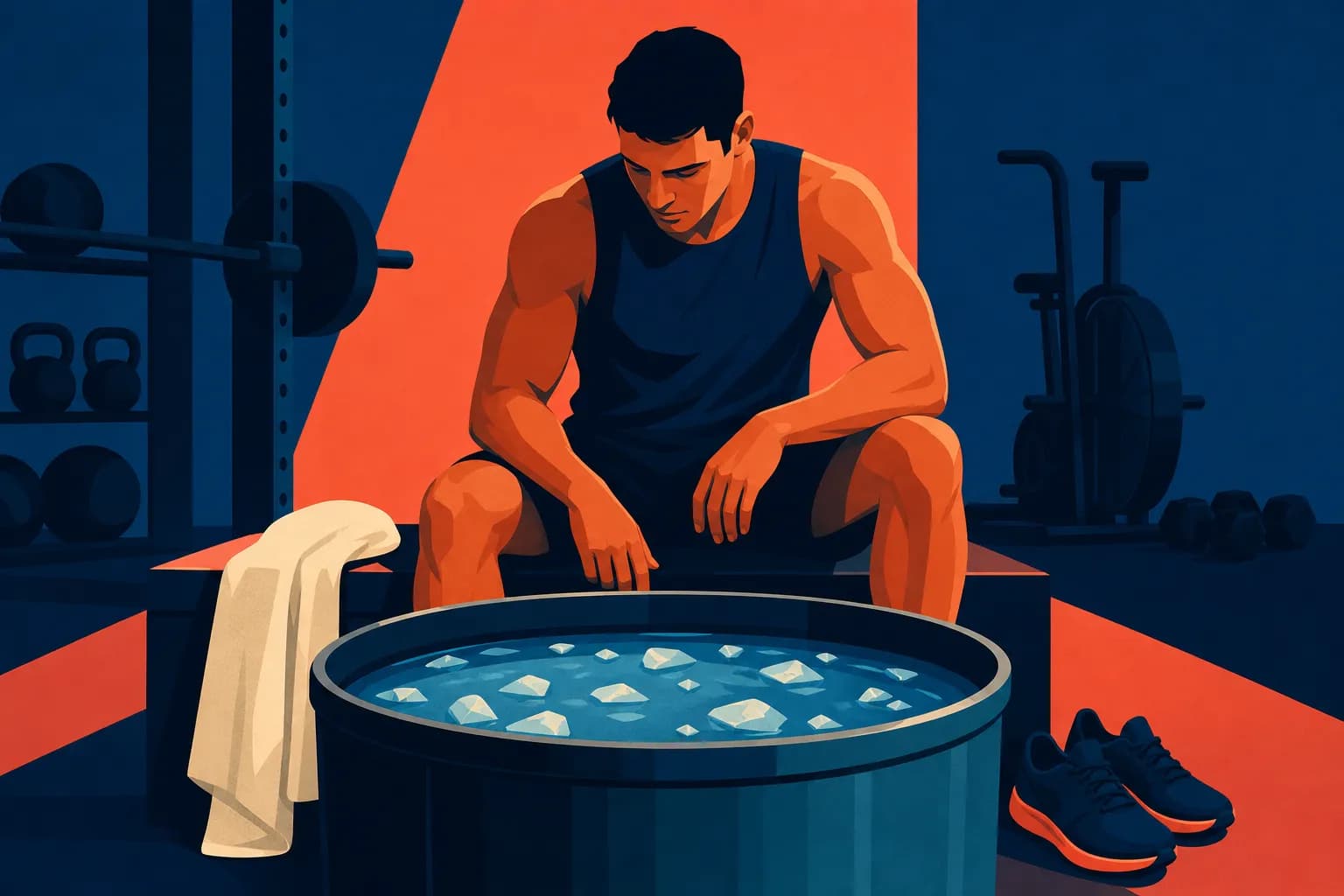
After a cold-water bath, a marker of muscle damage stayed elevated longer than after rest. We look at what the scientists measured and whether this means slower recovery.

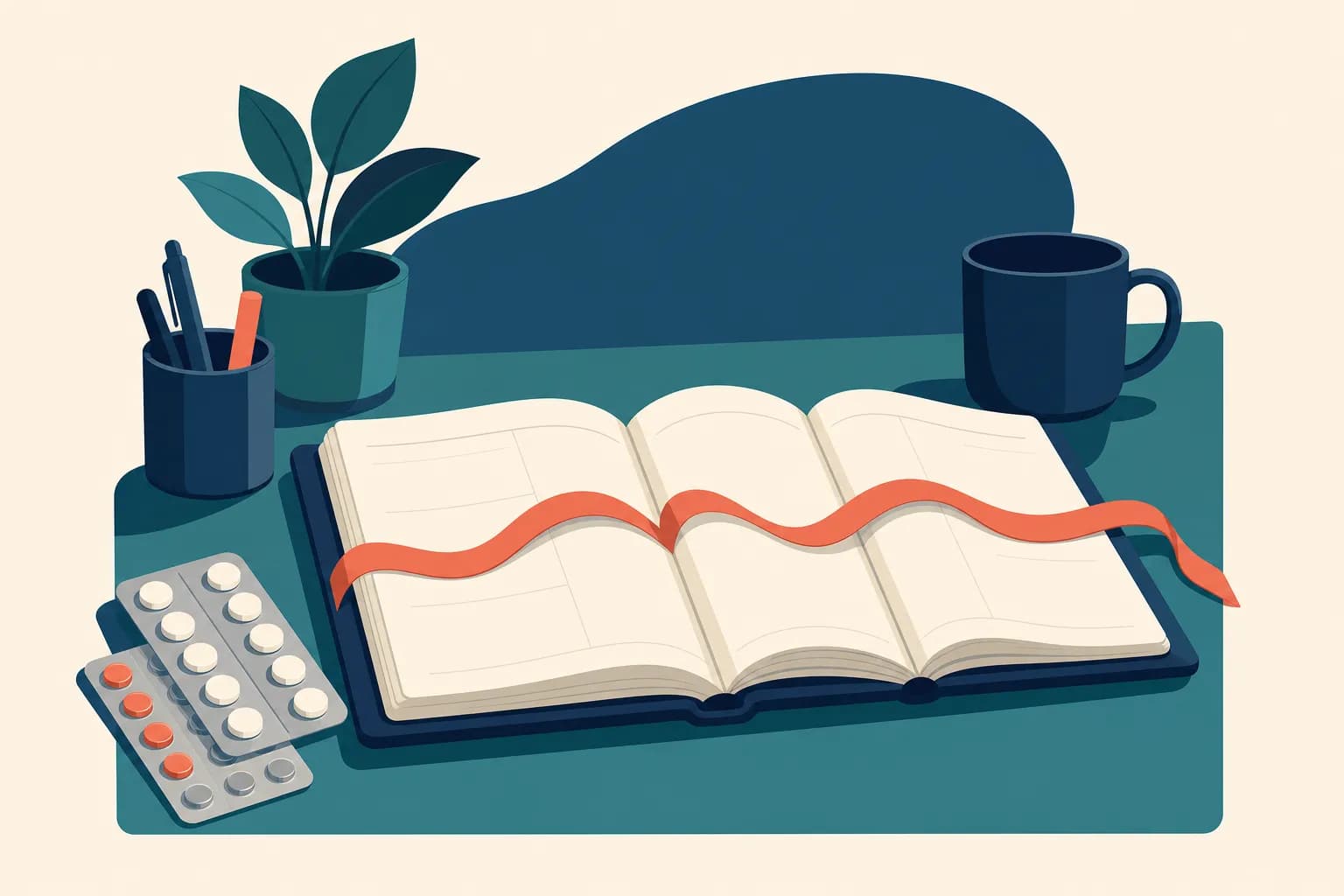
A review of studies on 21 antidepressants highlighted escitalopram, duloxetine, and agomelatine for sustaining improvement. We look at what this means for relapse prevention and treatment choices.

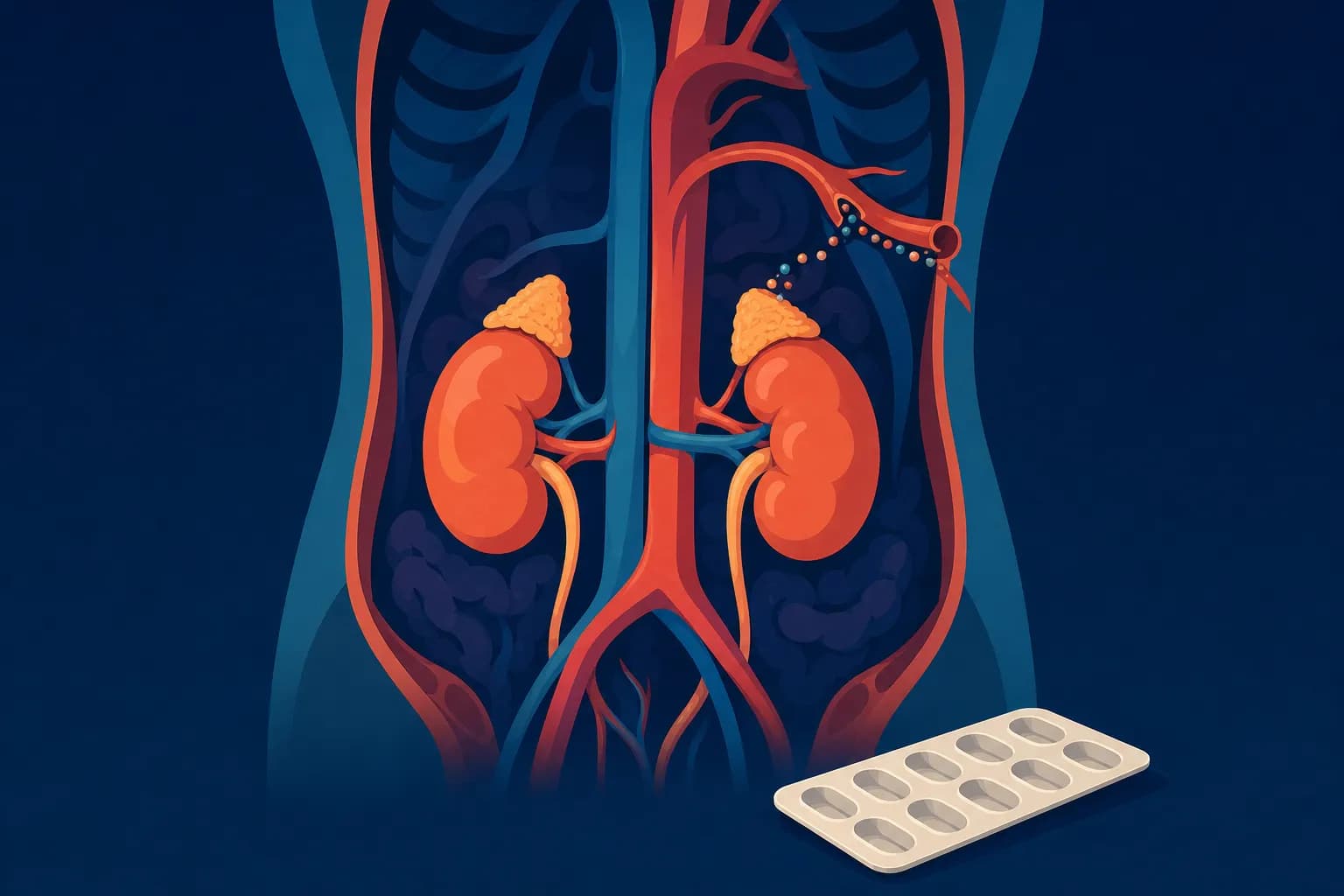
Some patients with excess aldosterone continued to improve for up to two years after stopping baxdrostat. What this could mean for the search for lasting remission of hypertension.

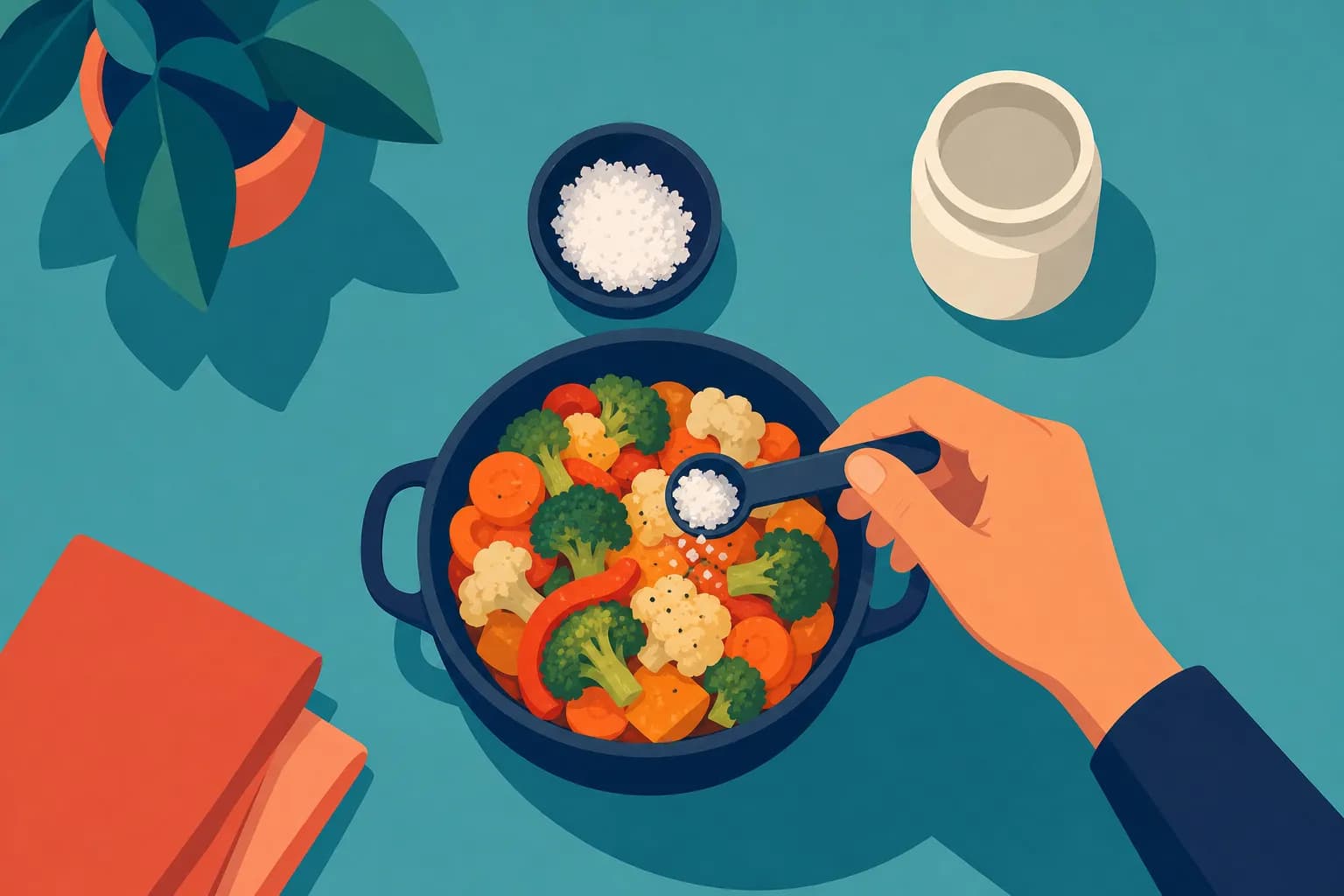
Replacing some sodium with potassium lowers blood pressure, and its global impact is estimated at nearly 3 million deaths prevented each year. We look at who can use this salt and when it may carry risks.

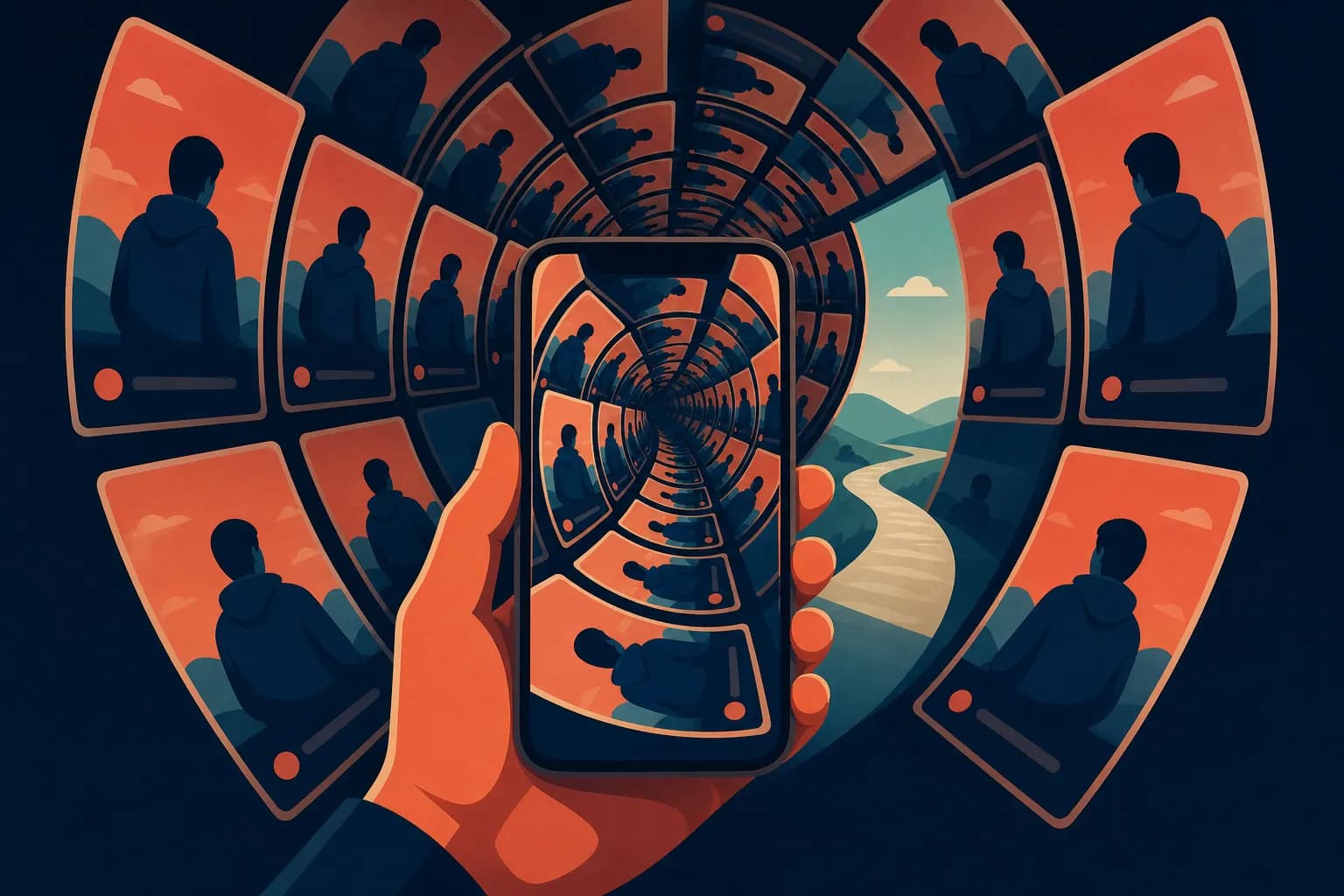
The European Commission has issued preliminary findings on TikTok’s recommendations. We explore how a feed gets stuck on one topic and why wanting to switch may not be enough.