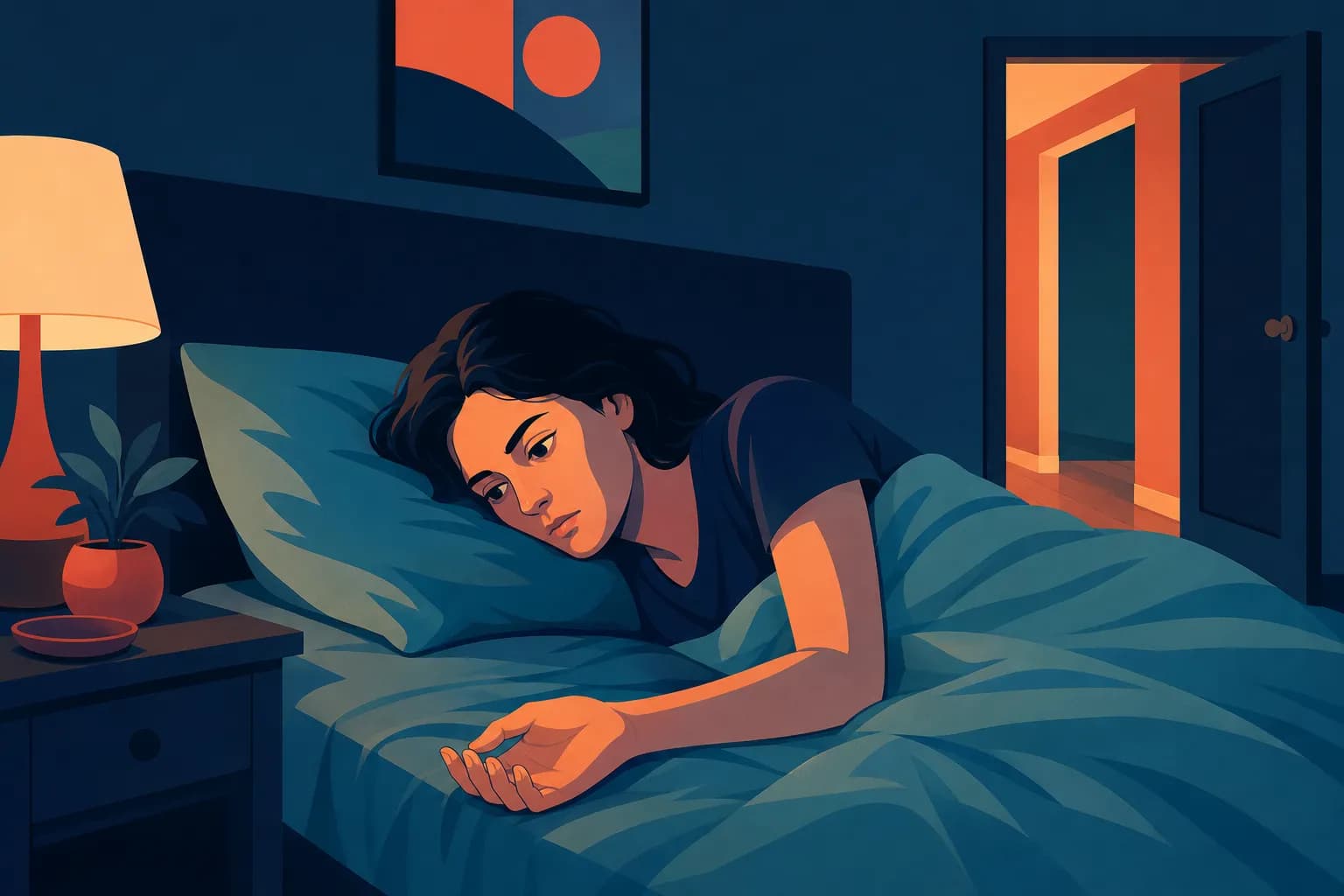
You can sleep eight hours every night and still wake up tired. The reason may lie not only in the quality of your sleep, but also in how irregular it is. Today you go to bed at 11 p.m., tomorrow at 2 a.m., and on the weekend you try to make up for built-up fatigue. But how is this kind of schedule connected to mental health?
A new study by researchers at the University of California, San Francisco, and the University of California, San Diego, found that irregular sleep schedules are linked to more pronounced anxiety symptoms, regardless of average sleep duration.
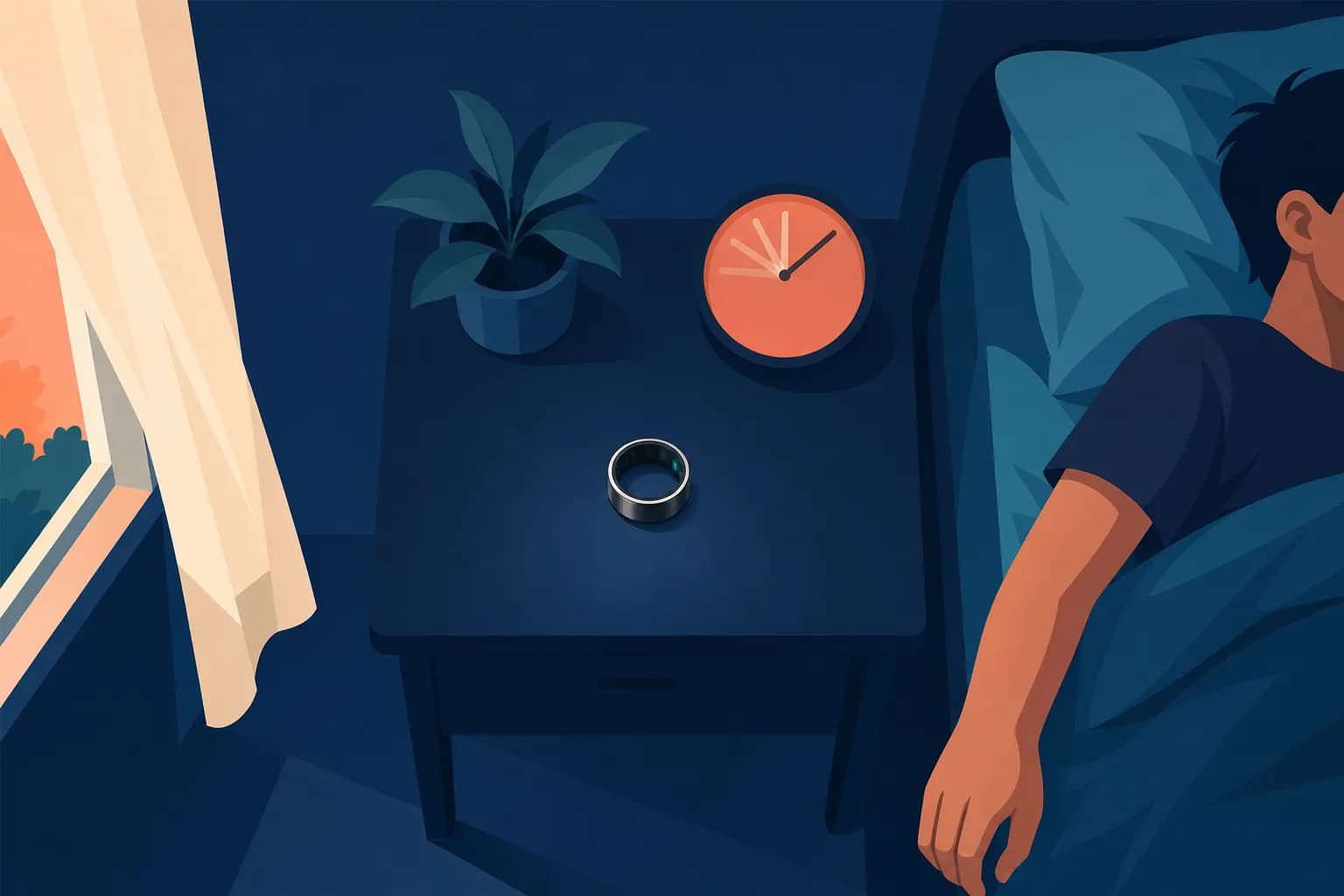
Researchers analyzed data from smart rings worn by nearly 23,000 people and found that participants with less consistent sleep schedules were more likely to report pronounced anxiety symptoms. The association remained even after accounting for how many hours they slept on average.
The findings, published on November 12, 2026, in Scientific Reports, suggest that mental health may be affected not only by how much you sleep, but also by how consistent your schedule is. However, the study does not prove that irregular sleep causes anxiety. The relationship may also work in the other direction: anxiety itself can disrupt falling asleep and make it harder to maintain a stable schedule.
What the smart ring data showed
The analysis included 22,894 participants in the TemPredict project, which was originally created to study the potential of wearable devices to detect COVID-19. The participants’ average age was 46. Each provided an average of about 154 days of usable data from an Oura Ring Gen2. This made it possible to examine their usual sleep patterns over several months.
The rings recorded the time participants fell asleep and their final wake-up time. Participants rated their anxiety and depression symptoms in monthly PROMIS questionnaires, and loneliness using a short UCLA scale. These were self-reported symptoms, not diagnoses made by a doctor.
To assess sleep schedules, the researchers used the Sleep Regularity Index, or SRI. It reflects how often a person is in the same state–sleeping or awake–at points 24 hours apart. The higher the index, the more consistent the schedule.
Participants with pronounced anxiety symptoms had an average SRI of about 79, compared with about 84 for people whose scores were within the normal range.
Less regular sleep was also linked to more pronounced depressive symptoms and loneliness.
The associations remained after statistically accounting for age, biological sex, and average sleep duration. When data spanning several months were used, the associations with mental health were generally stronger than when analyzing one typical week. A few good or bad nights may reflect a person’s usual schedule less accurately than longer-term tracking.
Why sleep regularity is different from sleep duration
Two people can spend the same number of hours asleep but follow different schedules. One usually sleeps from midnight to 8 a.m. The other alternates between sleeping from 10 p.m. to 6 a.m. and from 3 a.m. to 11 a.m. Their average sleep duration is the same, but the consistency of their sleep times is not.
This is an easy detail to miss if an app focuses primarily on total hours. The new study adds to the case for a more comprehensive assessment of sleep: the number of hours and the consistency of a schedule describe different aspects of sleep. At the same time, regularity does not eliminate the need for sufficient sleep or make up for the effects of sleep deprivation.
The measure used in the study has one limitation. Researchers counted the entire interval between falling asleep and the final wake-up as sleep. Nighttime awakenings and daytime sleep were not included. So the index in this study primarily describes the regularity of nighttime schedules, not every aspect of sleep quality.
How a variable sleep schedule might be linked to anxiety
One possible pathway involves circadian rhythms–the body’s internal daily fluctuations, which help regulate sleepiness and wakefulness. Light helps synchronize the biological clock. When sleep times keep changing, the times at which a person gets light and spends time in darkness change too. A predictable schedule may make it easier to align sleep with internal rhythms.
This is one possible explanation, but the study did not test the mechanism behind the association. The relationship could also work in the opposite direction: anxious thoughts can delay falling asleep, make it harder to fall back asleep, and shift wake-up times. In that case, irregularity is one of the effects of anxiety.
Finally, shared circumstances may affect both measures, such as unpredictable work, caring for a loved one, or financial difficulties. Adjusting statistically for sleep duration does not rule out all of these explanations. The analysis was cross-sectional: long-term ring recordings do not make it an experiment that can establish cause and effect.
What the findings mean for everyday routines
There is practical reason to pay attention to your schedule. But there is not yet enough evidence to turn it into a strict rule. The authors did not test whether anxiety decreases when someone starts going to bed and waking up at more consistent times. The clinical significance of the SRI differences they found is also unclear: these numbers cannot tell you your personal “safe” threshold.
If your schedule keeps shifting, you could start by tracking it:
For a few weeks, note roughly when you fall asleep and when you get up for the day. Look for recurring patterns rather than focusing on any one night.
Compare changes with what is happening in your life: workdays, weekends, evening responsibilities, or periods of intense worry.
If you want a more consistent schedule, choose one you can stick to that still allows enough time for sleep. Don’t cut back on sleep to make your wake-up time perfectly consistent.
These notes can help you spot habits, but they cannot diagnose an anxiety disorder. If tracking your numbers becomes a source of worry, it may be more helpful to check them less often than to try to achieve an ever-higher score.
The sample should also be taken into account when interpreting the study: most participants were white, middle-aged people from North America and Europe; chronotype and several social factors were not considered. The study received partial funding from Oura Health Oy, and some authors had financial ties to the company. An important next step is to test in intervention studies whether mental health changes after sleep schedules become more consistent.
Does this mean you have to fall asleep before midnight?
No. The study focuses on sleep regularity and does not establish a universal bedtime. A consistent schedule and an early bedtime are different things; the findings do not support the conclusion that “the earlier, the better.”
Do the findings apply to people who work night shifts?
They cannot be directly applied: night and shift workers were excluded from the analysis. Their ability to maintain a consistent schedule is different, and this study cannot determine the best routine for shift work.
When should you seek professional help for anxiety and sleep problems?
If anxiety or sleep problems persist and interfere with work, relationships, or everyday activities, consider reaching out to a doctor or mental health professional. You do not need ring data or a particular Sleep Regularity Index score to seek help.