
Healing Silence and the Experience of Psychedelic Therapy
During psychedelic therapy sessions, people often remain silent for much of the time. We explore why silence can support healing—and why it does not work without safety.

⋄6 min read
During psychedelic therapy sessions, people often remain silent for much of the time. We explore why silence can support healing—and why it does not work without safety.

Do you enter the world as an Amazon — with a sword and a plan, or as a Puella — with wide-open eyes and an infantile dream? These two archetypes will show where your strength becomes armor, and inspiration — an escape.

Why does the chocolate bar by the refrigerator taste better when it is “forbidden,” and why is it embarrassing to play a pop-hit playlist around other people? Prohibition adds dopamine—and we become hooked not on the pleasure, but on the secrecy surrounding it.

Why is there suddenly more anger and tension inside after 'mindfulness'? This is not a relapse — it's the shadow coming into the light, and this is exactly where the real transformation begins, which people usually don't talk about.

What if a habit starts not with willpower, but with a 30-second micro-ritual — a glass of water, one page, five minutes of movement? These tiny actions quietly engage the "math of accumulation" and over time change the trajectory of life.
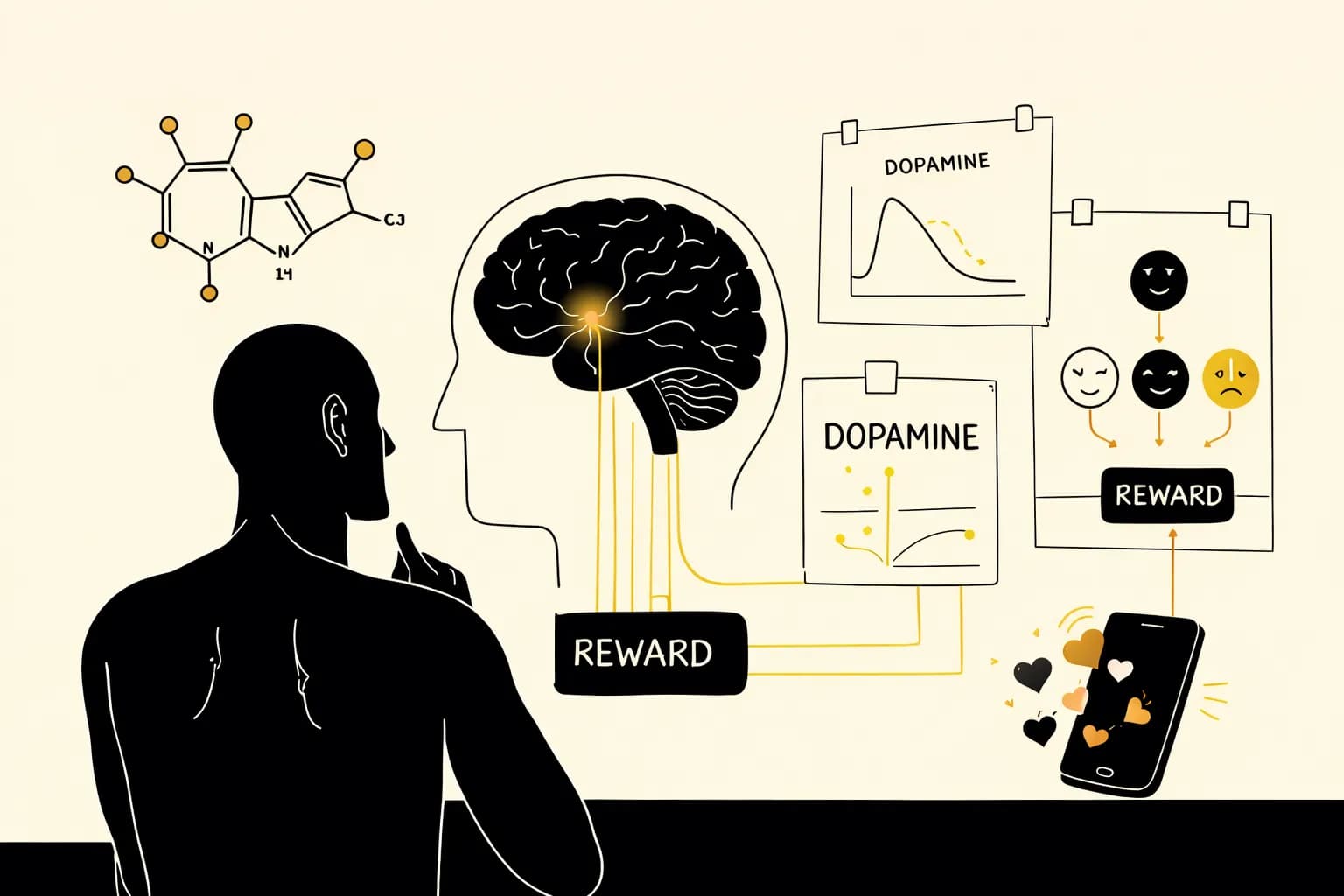
We analyze how dopamine controls anticipation and movement, why the flow of incentives lowers sensitivity, and how to practicaly restore motivation

How experiencing emotions at the body level can accelerate psychotherapy and change everyday life? We will reveal how to hold anxiety in the body, strengthen regulation, and turn feelings into engines of personal growth.
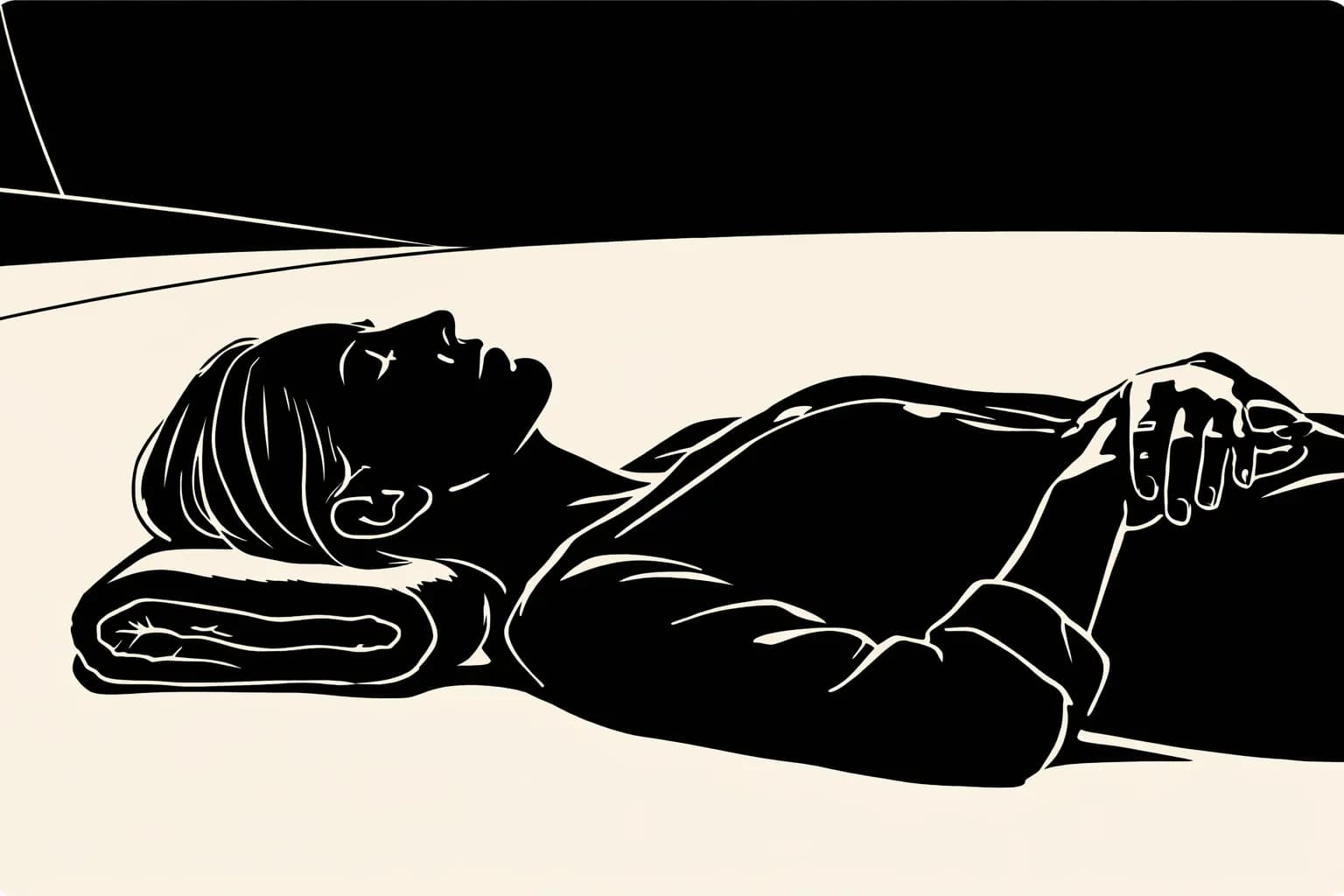
Your body remembers trauma not with words, but with bodily clamps and interrupted breathing. Somatic experiencing teaches how to complete interrupted stress cycles, returning the nervous system to a state of rest — try to feel what is happening in the body.
What if the subconscious begins to speak through Jung's 16 associative words? Write down the first thing that comes to mind, and you will see recurring motifs and hidden fears that drive your decisions.

We explore how self-love turns into a fear of criticism and ruins close relationships. We consider the causes and signs of narcissistic personality disorder.

After talking to him do you feel drained of energy? Toxic relationships don’t shout — they quietly squeeze you: criticism, control, gaslighting, and emotional roller coasters that make you doubt yourself.

Why do favorite little things suddenly stop delighting, as if the light is off inside? Anhedonia is not laziness, but a disruption of the brain's reward system, and understanding the causes is the first step to returning feelings.
Psychology in this section is about the observable: how attachment forms, where anxiety comes from, why intention and action diverge, and what happens to a person in conflict. We rely on research where it exists and mark the line where hypotheses begin.
Here you will find material on personality and temperament, motivation and procrastination, partnerships and separation, burnout and recovery. These texts are not a substitute for therapy — they help you name what is happening and understand what can be changed and what calls for a specialist.
Weekly tips on lifestyle, mindset, spirituality & wellness — straight to your inbox.