What Is Rust-Out at Work and How Does It Differ from Burnout?
You seem to be managing your tasks, but work has become empty and sluggish? We explain how to recognize rust-out, distinguish it from burnout, and get yourself moving again.

⋄7 min read
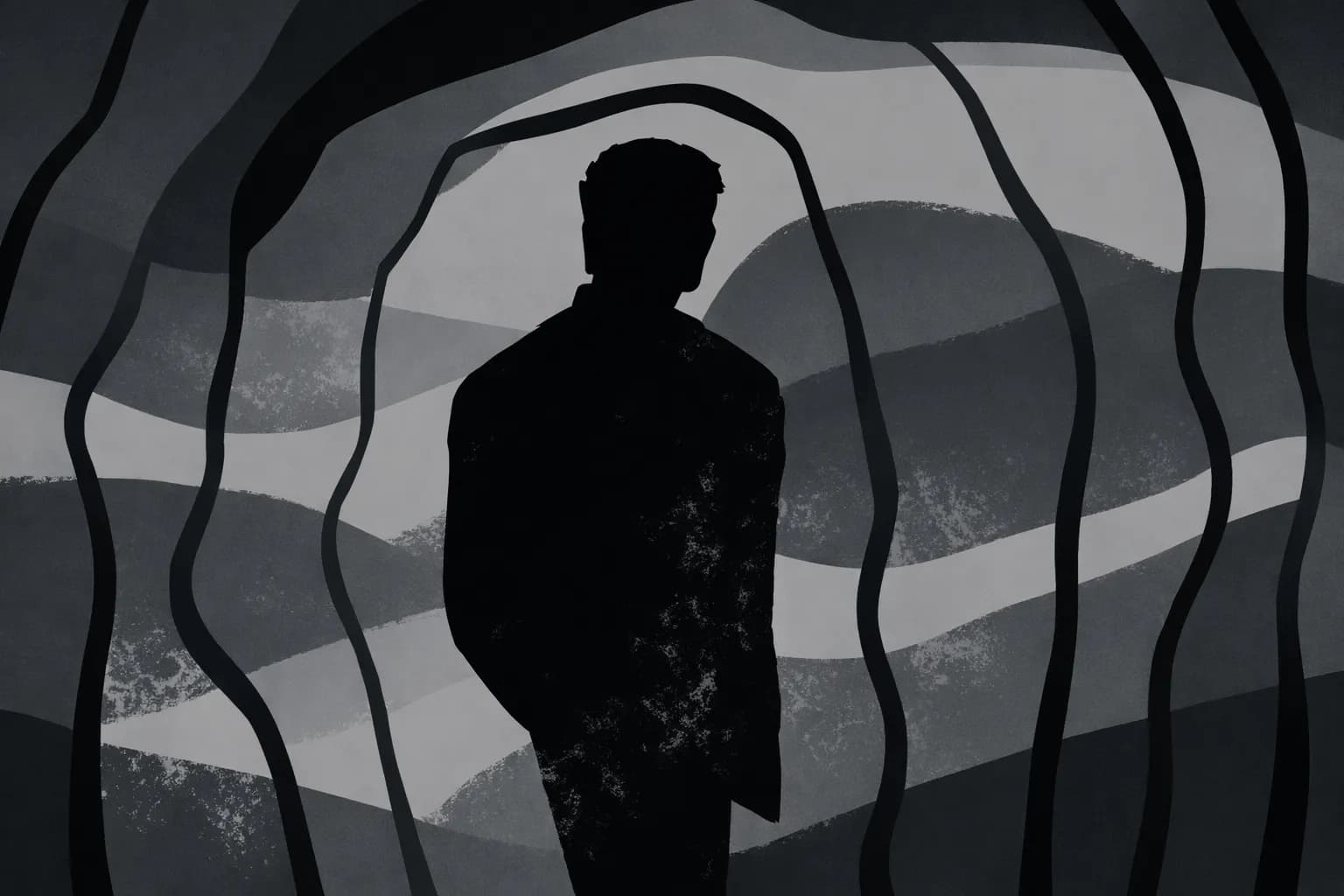
Have you ever had this? Everything seems in place: there is work, loved ones nearby, life outside goes on as usual. But inside — a strange silence. Not the kind that soothes after a hard day, but empty, dull. What used to bring joy no longer moves you. You turn on your favorite music — and it plays in the background. You go to meet friends — and you feel only tired. The future does not scare you, but it does not attract you either — it’s just somewhere out there, and you don’t care.
Do you know what this is called? Anhedonia. When you lose the ability to experience pleasure. And it is frightening precisely because of its quietness — no drama, no tears, just... empty.
Anhedonia is a state in which your ability to experience joy from things that used to bring you positive emotions fades or becomes very weak. The word is made up of two Greek parts: “an” (without) and “hedone” (delight).
And here’s what’s important to understand right now: this is not about laziness and not about a “bad character.” And certainly not about you becoming an ungrateful person. Have you heard phrases addressed to you like? “Pull yourself together,” “others have it worse,” “just start enjoying life”? Forget it. This is a real malfunction in the brain systems that are responsible for pleasure and motivation.
Anhedonia is not ordinary low mood that will pass if you get enough sleep and rest. This is a persistent state that really changes the quality of your life and can last weeks, months, and sometimes years.
Anhedonia rarely comes alone. Usually this is a whole set of sensations, and perhaps reading further you will recognize something painfully familiar.
Remember the last time you genuinely felt joy? No, not smiled out of politeness, but truly felt happiness? With anhedonia even good news provoke at most a weak reaction of “well, not bad.” Promotion at work? Compliment from a loved one? Nothing brings satisfaction.
This strange “emotional numbness” appears — as if a glass wall has grown between you and your feelings. You see that something good is happening, understand it with your head, but inside there is no response. As if you are watching someone else’s life.
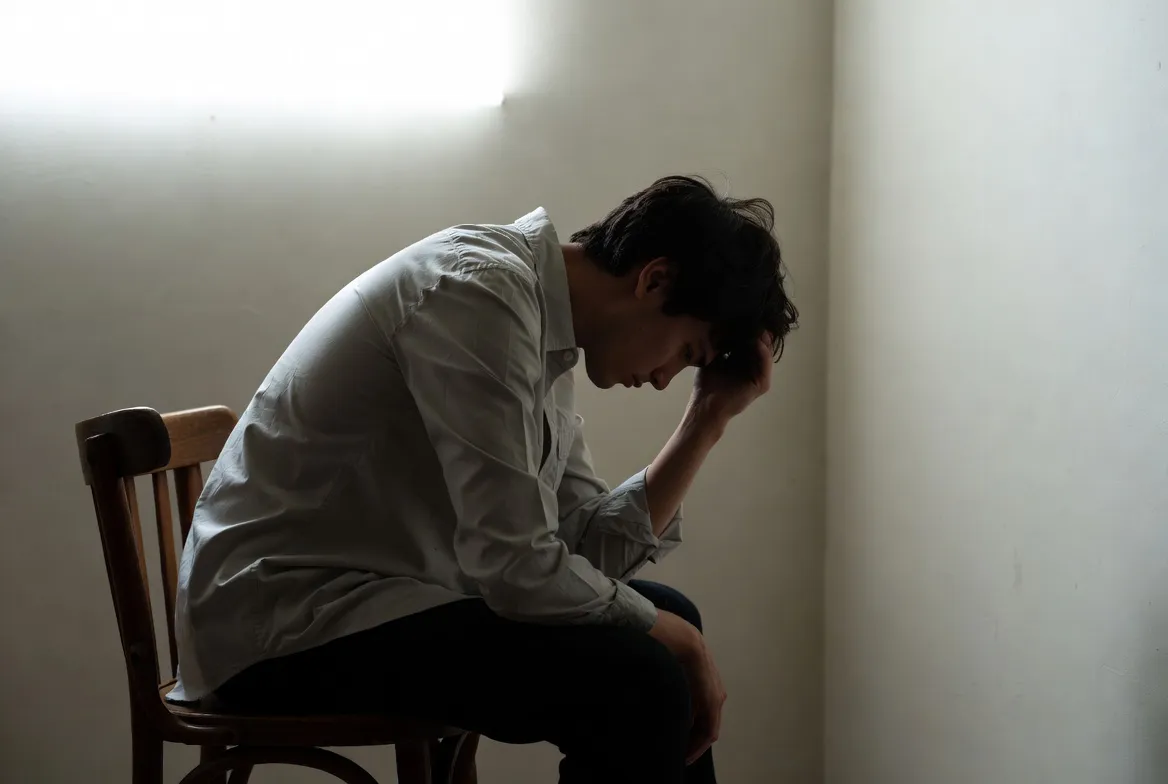
Is your favorite hobby gathering dust in the corner? Earlier you eagerly waited for the weekend to sketch, run, play guitar — and now you think “why bother?” Food has become just fuel, without pleasure. Sex has become mechanical or is uninteresting.
And the most insidious thing — you begin to avoid people. Not because they are bad, but because socializing requires energy you don’t have. You postpone calls, cancel meetings, and, strangely, without guilt.
Does this inner “I don’t care” feel familiar? Not aggressive, not rebellious — just a factual statement. Need to complete a project? Still. A friend invites you to travel? Still. Dreamed of a new apartment? Now you don’t care.
You understand that there are goals, that they are important, that “one should.” But between understanding and action there is a chasm. And the saddest thing — you stop seeing meaning in effort. Why try if inside it’s all empty anyway?
Your body also seems to shut down. Libido falls or disappears completely. Constant fatigue, even if you slept well. Sleep becomes strange — you can’t fall asleep, or you sleep too much, but wake up exhausted. The body seems to say: “I no longer want to feel anything.”
Anhedonia is not the same for everyone. It has different “faces,” and perhaps you will recognize yours.
This is when socializing, which once filled you, now empties you. Meetings with friends become a duty. You sit in a company and think: “When will this end?” Hugs become formal. Honest conversations — hard work.
And people don’t understand. They are offended: “You’ve changed,” “You’ve drifted away.” And you can’t explain that it’s not about them. Inside you just no longer responds to closeness.
Remember how you used to look forward to a favorite dish? How you enjoyed a hot bath after a long day? How the touch of a loved one warmed you? With physical anhedonia all of this fades. Food becomes tasteless. Massage — just touches. Sex — mechanical without pleasure. Your body seems to have forgotten how to feel joy.
This is especially insidious. Planning a vacation? Logically you understand — it will be good. But there is no anticipation. Zero. Do you buy the things you dreamed of? And inside — empty.
You cannot imagine yourself happy. Future events do not inspire, even if previously you would have jumped for joy.
Anhedonia is a marker that something is not right in the body and psyche. Let’s figure out why?
Inside your brain there is a reward system that runs on dopamine — the neurotransmitter of pleasure and motivation. Think of it as an electric circuit: when everything is in order, it lights up the lamps of joy. In anhedonia this circuit malfunctions. The receptors that should sense dopamine become less sensitive. It’s like turning the music up loud, but hearing it barely. Signals of pleasure simply do not reach you in full. Studies also show the role of chronic inflammation in the nervous system.
Do you know what’s most important to understand? Anhedonia is often a protective mechanism. Your psyche has not broken; it is trying to protect you. Depression is one of the main causes of anhedonia. It is one of its central symptoms. If you have lived for months in a state of oppression, your brain seems to say: “Too painful to feel, let’s turn off emotions.”
Post-traumatic stress disorder works similarly. After trauma the psyche can “freeze” sensitivity so you can function. Emotional burnout also leads to anhedonia. When you work at the limit for a long time, give yourself completely, neglect yourself — there comes a moment when inside there is nothing left.
Prolonged stress slowly, but surely, exhausts your ability to feel pleasure. This is not an instantaneous process — rather a slow fade, which you notice only when you are already deep inside.
Sometimes we ourselves, without realizing, create conditions for anhedonia. Constant stimulation — social networks, endless videos, games, series — overloads your dopamine system. The brain gets used to strong quick stimuli, and ordinary joys of life seem too dull. It’s like constantly eating very sweet things — ordinary food then seems bland.
Sleep disturbances disrupt your biological rhythms. When you sleep little or at the wrong times, your brain cannot recover properly. And without recovery there is no energy for emotions.
Social isolation — especially after the pandemic — has become a reality for many. We are social beings, and without live contact with people our emotional system begins to fail.
Lack of physical experience — when all life is in the head and on screens, and the body is forgotten. We stop moving, touching, feeling the physical world. And joy is largely bodily.
At first you just laugh less. Then you want less. Then you feel almost nothing. And this looks not like tragedy, but like a strange silence inside. If you have been or are in abusive relationships, your anhedonia is how your nervous system tries to survive in constant threat.
Imagine: you live in mode of constant unpredictability. Today he/she is kind, tomorrow — a burst of rage. Emotional swings. Fear of “doing something wrong.” Your nervous system gets stuck in fight-or-flight mode. But when the threat lasts too long, a third mode kicks in — freezing. Emotional numbness. Because feeling in such a situation is too painful and too dangerous.
Remember these phrases? “You are too sensitive.” “No one but me can bear you.” “You’re making it all up.” “You’re exaggerating.” Over time your brain absorbs the lesson: joy = danger. Expressing yourself = punishment. And it does what seems reasonable — switches off the dopamine response. Better not to feel anything than to be destroyed again.
The most insidious is when rare moments of warmth alternate with pain. You become dependent on his/her approval. And your dopamine begins to respond not to joy, but to a reduced threat. “He isn’t shouting today — means everything is fine.” “She smiled — I’m safe.” Pleasure is no longer equal to safety. Pleasure becomes suspicious. This is how anhedonia forms, which remains even after leaving the relationship.
Many are surprised: “I left, why isn’t it easier for me?” Because your nervous system is still waiting for a blow. Your body remembers that feeling was dangerous. Your brain stayed in survival mode for too long.
Anhedonia here is a consequence of post-traumatic adaptation. And that’s normal. You are not broken. You protected yourself. And now you need time to learn to feel again.
If you recognize yourself in this description, perhaps you should consult a specialist. For assessing anhedonia, psychologists and psychiatrists use special scales: SHAPS (satisfaction scale), BDI and HAM-D in the context of diagnosing depression.
But the most important thing is a clinical interview with a psychiatrist or psychotherapist. Only a professional can see the full picture and understand what exactly is happening to you. Self-diagnosis is useful only as a signal: “I need help.” But not for diagnosing yourself and starting treatment on your own.
Anhedonia is treatable, but not with quick motivational quotes and not with willpower. It is a journey, and it requires patience.
Sometimes the brain needs help from outside. A psychiatrist may prescribe antidepressants that affect the dopamine system. It is not a “pill of happiness” and not a crutch. It is like giving your brain tools so it can function normally again. In some cases medications affecting other neurotransmitter systems are used. Important: this is prescribed only by a doctor, and only after a full examination.
For many, psychotherapy is the key to emerging from anhedonia. The most effective are cognitive-behavioral therapy, ACT (acceptance and commitment therapy), and trauma work. The goal is not for the therapist to “evoke joy by force” or to make you “think positively.” The goal is to restore the connection between your actions and emotional response. To understand what happened. To learn to feel again safely.
Do you know the paradox? When you have anhedonia, you expect that desire will appear first, and then you will start acting. But it works the other way around.
First action. Then feeling. Not immediately, not quickly, but it comes. This does not mean “make yourself.” It means tiny steps. Micro-doses of activity. Five minutes of walking. One song. One call to a friend. Regularity is more important than intensity.
Your body is the home of your psyche. And if the home is falling apart, it is hard for the psyche to recover.
Sleep. Not tips like “go to bed at 10,” but real work on sleep quality. Darkness, quiet, regularity.
Movement. Not about “go to the gym.” About any activity available to you. Walks. Stretching. Dancing in the kitchen. Your body must remember that it is alive.
Eating without swings. Not a diet, but simply regular normal food, without extreme stimulants.
Reducing dopamine overload. Less social media, less endless scrolling. Give the brain a rest from constant stimulation.
There are some specifics here. Without a sense of safety nothing works. Your brain will not experience pleasure until it is sure you will survive. You need work with the body, not only with thoughts. Anhedonia after abuse lives in your autonomic nervous system. Somatic therapy, slow rhythmic movements, breathing practices help.
And patience for the “flat period.” Recovery is slow: first emptiness, then neutrality, then faint interest, and only then — pleasure. You cannot skip stages.
Do you know what does not help with anhedonia? Pressure on yourself. “I must feel happy.” “Others have it worse, and I am whining.” “Pull yourself together.” This only enhances numbness.
Toxic positivity — “just smile,” “think of something good,” “be grateful for what you have.” When you are in anhedonia, this sounds like mockery. Expectation of instant emotions. You cannot snap your fingers and become yourself again. It is a process.
Anhedonia does not go away through willpower. It goes away through restoring the natural regulation of your nervous system.
Anhedonia is not the absence of a desire to live. It is a distress signal from your nervous system: “I have been working at the limit for too long, I need a break.” It has turned off sensitivity as protection so you could survive.
Joy has not disappeared forever. It is simply waiting for a moment when it becomes safe to return. And this return is not a flash of light. It is a slow, bodily, honest movement back to yourself. Without needing to endure more to earn warmth. Without the obligation to be “normal.” Just a return.
How was this article?
Share