Chemotherapy remains an important part of treatment for many forms of breast cancer, but its side effects can seriously affect patients’ quality of life. That is why researchers are looking for ways to reduce treatment intensity without compromising effectiveness. New results from the European PHERGain study suggest that some women with HER2-positive breast cancer may be able to avoid chemotherapy.
In the study, 86 carefully selected patients received treatment without chemotherapy. Five years after surgery, invasive disease-free survival was 92.4%. Two criteria were used for selection: an early tumor response to therapy, measured by PET, and no residual invasive cancer in the tissue after surgery.
Five-year results from PHERGain, published on October 29, 2026, in the journal Nature Medicine, point to the promise of more personalized breast cancer treatment. However, they do not yet prove that avoiding chemotherapy is as effective as the standard regimen. All patients in this group received anticancer therapy and underwent surgery, and further studies are needed to confirm whether this approach can be used more widely.
Which treatment made it possible to avoid chemotherapy
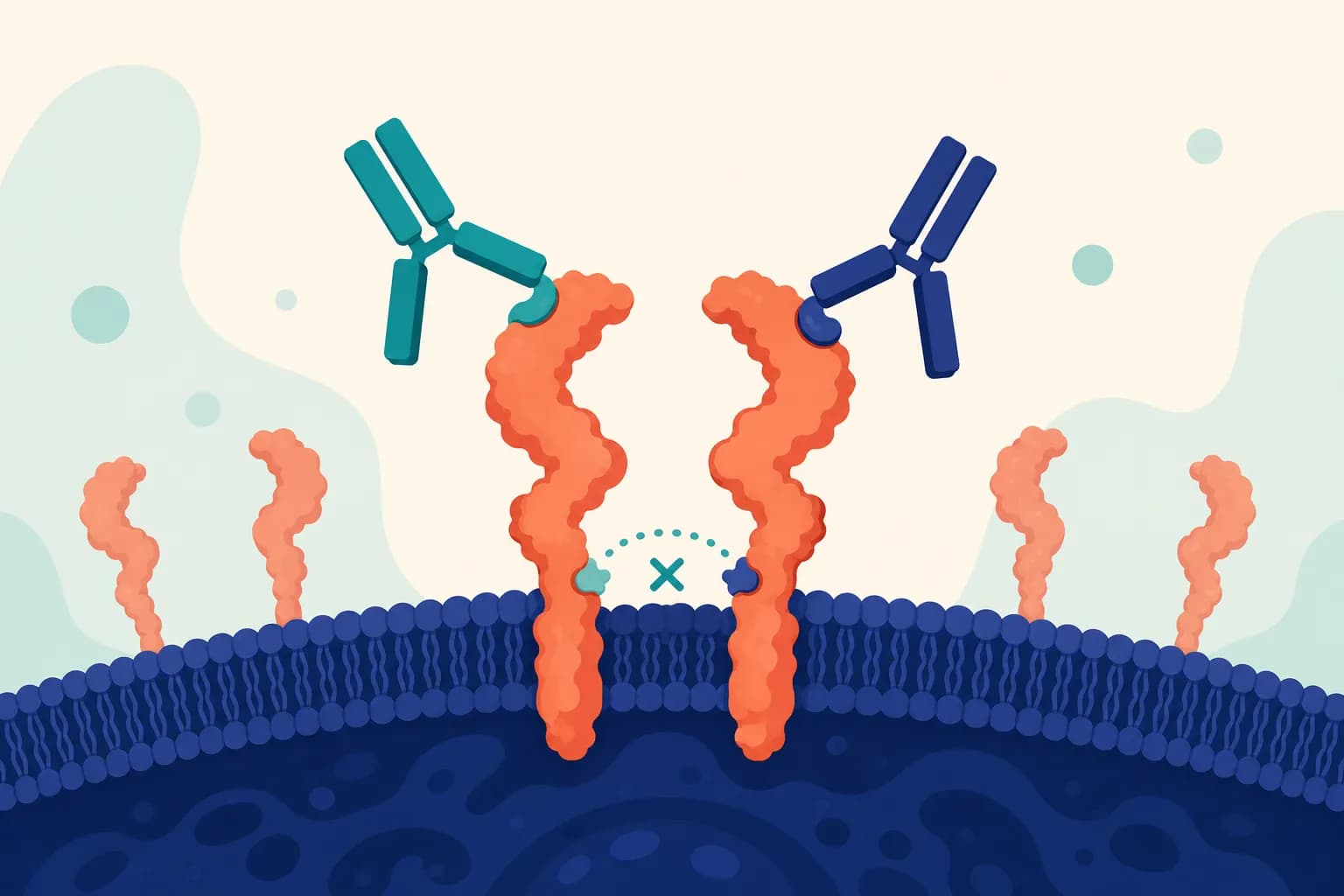
In HER2-positive breast cancer, tumor cells have an increased amount of the HER2 protein on their surface. This protein is involved in transmitting growth signals. Trastuzumab and pertuzumab, two monoclonal antibodies, bind to different parts of this protein and help suppress tumor growth. This treatment is called dual HER2 blockade.
This is targeted therapy, meaning it acts on a specific molecular target. It differs from both conventional cytotoxic chemotherapy and cancer vaccines, which are being studied as a way to teach the immune system to recognize tumors.
PHERGain is a European clinical study exploring the possibility of treating HER2-positive breast cancer without traditional chemotherapy in a specific group of patients.
The main idea behind PHERGain is to adapt treatment intensity to each tumor’s individual response rather than giving all patients the same regimen.
PHERGain included 356 patients with operable stage I–IIIA HER2-positive breast cancer. The open-label, randomized phase II study took place at 45 hospitals in seven European countries. Group A included 71 patients, who received docetaxel, carboplatin, trastuzumab, and pertuzumab. The other 285 participants, in group B, began treatment with the two antibodies without chemotherapy. Patients with hormone-sensitive tumors also received endocrine therapy.
How PET and surgery helped select patients
In group B, the decision about chemotherapy was made in stages. Researchers assessed how sensitive each tumor was to HER2-targeted drugs.
Response was assessed by PET after two cycles. The scan showed changes in the tumor’s metabolic activity. A response was defined as a decrease of at least 40% in the radiopharmaceutical uptake measure SUVmax in all target lesions, with no metabolic progression in the others. Patients with this response continued the same treatment for six more cycles. For those with an insufficient response, docetaxel and carboplatin were added before surgery.
Tissue removed during surgery was examined. The second criterion was a pathological complete response: no residual invasive cancer in the breast or regional lymph nodes. An in situ, non-invasive component could still be present.
Chemotherapy was added if invasive cancer remained. Even a good PET response did not automatically mean patients could avoid it. If there was no pathological complete response, the protocol called for six cycles of chemotherapy with dual HER2 blockade.
A PET response was observed in 227 of the 285 patients in group B. Of these, 86 had a pathological complete response confirmed after surgery. These 86 women, about 30% of the original group, avoided chemotherapy altogether. The protocol nevertheless called for trastuzumab and pertuzumab to continue for a total of 18 cycles. Details of the strategy are described in the PHERGain publication in The Lancet.
What the five-year result of 92.4% means
At a median follow-up of 5.6 years, five-year invasive disease-free survival, or iDFS, among the 86 patients who did not receive chemotherapy was 92.4%. This measure estimates the likelihood of living for a given period without events such as an invasive recurrence, another primary invasive tumor, or death.
This is not an overall survival rate, nor is it the proportion of patients who are definitively cured. Six iDFS events were recorded in this subgroup, including one distant recurrence. Because the subgroup was small, the estimate remains imprecise: the 95% confidence interval ranged from 86.7% to 98.5%.
The main new insight is the longer follow-up period. Researchers had previously shown that two sequential assessments could identify patients who did not need chemotherapy. Now they have data on how this selected group fared five years after surgery.
What the results change in discussions about treatment
Reducing treatment intensity, or de-escalation, has a clear goal: preserve the anticancer effect while reducing harm. In the 2024 PHERGain publication, treatment-related adverse events of grade 3 or higher were reported in 62% of participants in group A and 33% in group B. The latter included both patients who did not receive chemotherapy and those who had it added.
However, PHERGain was not designed to prove that the two strategies are equivalent. The subgroup of 86 patients was formed after randomization based on their good response to treatment. Its results therefore cannot be directly compared with those of all patients receiving standard treatment.
There are also limitations when comparing the study with current practice: for patients with residual tumors, the protocol did not include postoperative trastuzumab emtansine, or T-DM1. In addition, some participants did not provide renewed consent for extended follow-up, which may have affected the assessment of long-term outcomes. The study was funded by Roche; the authors disclosed financial relationships with pharmaceutical companies.
For a patient, these findings may provide a basis for discussing the possibility of de-escalation or participation in a clinical trial with an oncologist. Do not stop prescribed chemotherapy on your own. In PHERGain, the less intensive approach included planned assessments and the addition of chemotherapy if the tumor did not respond well enough.
Can PET be replaced with a regular ultrasound or mammogram?
PHERGain does not support such a substitution. Patient selection relied on a specific threshold for changes in metabolic activity measured by PET. Ultrasound and mammography assess different characteristics of a tumor, so this algorithm cannot be applied to them without separate validation.
Do the results apply to metastatic breast cancer?
No. The study included patients with operable stage I–IIIA cancer. When distant metastases are present, the goals and treatment regimens are different; the 92.4% result does not apply to that situation.
What does a grade 3 adverse event mean?
It is a severe adverse event according to the standard toxicity grading scale, which may require medical intervention or a change in treatment. The grade of an adverse event is not related to the stage of cancer. The measure “grade 3 or higher” includes severe and more serious complications.