“Ferritin Face”: Can You Recognize Iron Deficiency by Appearance?
Published on: ⋄6 min read
Pale skin, dark circles under the eyes, chapped lips: viral videos call this combination “ferritin face” and suggest using it to spot iron deficiency. But you cannot reliably determine iron deficiency or ferritin levels from someone’s appearance. At the same time, some visible changes do occur with iron-deficiency anemia, which makes the claims in these videos sound plausible.
What is “ferritin face”?
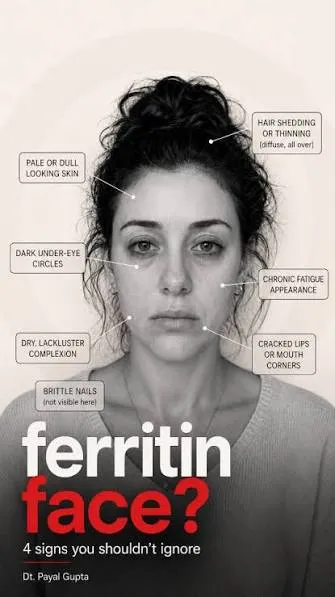
On TikTok and Instagram, signs of low ferritin include pale or grayish skin, dark circles under the eyes, and dry lips. Hair loss and weak nails are also included in the list. Creators link these changes to depleted iron stores, while before-and-after photos following supplement use make it seem as if this connection can be easily tested.
The problem with this approach is that it groups different phenomena under a single explanation. Complexion depends on pigmentation, blood flow, lighting, and camera settings. Dark circles may be related to the skin and anatomy around the eyes. Hair loss and nail changes can also have several possible causes.
What is "ferritin face"? 4 signs that can help you identify it
How ferritin, hemoglobin, and paleness are connected
Ferritin and hemoglobin have different functions. Ferritin helps the body store iron, and its concentration in the blood is an indicator of those stores. Hemoglobin is found in red blood cells, contains iron, and carries oxygen.
Iron stores can become depleted before hemoglobin levels fall. That means iron deficiency can occur without anemia, and normal hemoglobin does not always mean iron stores are adequate. The reverse is also important: anemia is not always caused by iron deficiency.
Paleness is more directly associated with anemia. Hemoglobin gives blood its red color; when its concentration drops, the skin and mucous membranes may look paler. But you cannot determine either hemoglobin levels or the reason they are low from someone’s complexion.
The UK National Health Service (NHS) lists skin that is paler than usual among the possible signs of iron-deficiency anemia, along with fatigue, shortness of breath, palpitations, and headaches. Less common signs include hair loss, painful sores at the corners of the mouth, and spoon-shaped nails. This is a description of possible symptoms, not a way to diagnose the condition from a photo.
So, these changes may be a reason to look into their cause, but they do not confirm low ferritin. The absence of noticeable paleness or hair problems does not rule out a deficiency either.
How iron deficiency is diagnosed
A doctor considers symptoms, personal circumstances, and test results together. A complete blood count, including hemoglobin, is usually used to assess anemia, while ferritin is measured to assess iron stores. These tests answer different questions and are not interchangeable.
There is another complication: inflammation can raise ferritin levels. So a normal or elevated result in this situation does not always rule out a lack of iron available to the body. The 2026 recommendations from the American Society of Hematology suggest assessing ferritin and transferrin saturation together in adults with inflammation. The second measure helps show how much iron is available to the protein that transports it in the blood.
A one-size-fits-all number from social media cannot replace interpretation of test results. Diagnostic thresholds depend on the clinical situation; a result that warrants attention for one person cannot automatically be treated as a universal target for everyone.
If visible changes persist, especially alongside fatigue, shortness of breath during usual activities, or palpitations, it is sensible to consult a doctor. Mention heavy periods, pregnancy, dietary restrictions, and other circumstances that may affect iron needs or losses. This can help determine which tests are appropriate instead of ordering a broad panel at random.
If a deficiency is confirmed, finding the cause is part of the treatment. For example, if someone continues to lose blood, replenishing iron alone will not address the source of the problem.
Why you shouldn’t take iron based on advice from a video
Iron supplements can help when there is a medical indication, but taking them as a trial to change your complexion is no substitute for diagnosis. If the changes have another cause, this approach may delay finding it.
Iron can have side effects. According to the U.S. National Institutes of Health, high doses of supplements can cause constipation, nausea, stomach pain, vomiting, and diarrhea. Drug interactions are also possible: taking iron with levothyroxine may reduce the latter’s effectiveness. That is why your doctor needs to know which medications and supplements you already take.
If a deficiency is confirmed, the supplement, dose, and follow-up testing are chosen based on the test results and the cause of the deficiency. Visible changes may accompany recovery, but judging treatment success only by selfies is unreliable. Even a striking improvement in a photo does not explain what exactly changed in the body.
Key guidelines for taking iron
If you have been prescribed iron, keep these general recommendations in mind:
1. Pay attention to the dose of elemental iron. The amount of active iron differs from the total weight of the compound listed on the package. Modern recommendations often suggest taking it once a day or every other day. The exact dose depends on the severity of the deficiency and how well the supplement is tolerated.
2. Allow time between iron and food or drinks. Coffee, tea, and calcium supplements can reduce iron absorption. Ideally, leave about two hours between taking them and taking iron.
3. Take it on an empty stomach if you tolerate it well. Iron is generally better absorbed without food. However, if it causes nausea, stomach pain, or discomfort, you can take it with food, bearing in mind that absorption may be reduced.
4. Don’t assume vitamin C is essential. Ascorbic acid helps the body absorb non-heme iron, but research does not show a compelling need for everyone taking iron supplements to also take vitamin C.
5. Monitor your response. In iron-deficiency anemia, hemoglobin is usually checked 2–4 weeks after starting treatment. Replenishing iron stores takes longer–often several months. Checking ferritin helps assess how well treatment is working.
6. Find out what is causing the deficiency. Heavy periods, insufficient iron in the diet, gastrointestinal conditions, and impaired absorption can all lead to low ferritin. Without addressing the cause, the deficiency can return. That is why it is important to look into other possible issues before taking iron.
Iron infusions: quick results or unjustified risk?
As biohacking and wellness treatments have grown in popularity, iron infusions have come to be seen as a quick way to get rid of fatigue, restore a healthy complexion, and improve hair. However, intravenous iron is not a cosmetic treatment but a medical therapy with specific indications.
Unlike tablets, intravenous iron delivers iron directly into the bloodstream, bypassing the gastrointestinal tract. This can replenish iron stores faster, but it does not guarantee an immediate improvement in how you feel or look.
The procedure carries a risk of infusion reactions, rare but potentially dangerous anaphylaxis, and other complications. Some preparations can also cause a significant drop in phosphate levels, which in severe cases may lead to muscle weakness and damage to bone tissue.
Iron infusions should not be used to prevent aging, boost energy, or improve complexion without a confirmed deficiency and medical indication. The decision to use this treatment should be made by a doctor, not an aesthetics practitioner.
After intravenous iron, brown, gray, or almost black spots sometimes appear on the skin. This is caused by extravasation, when the medication leaks out of the blood vessel into the surrounding tissue.
Unlike an ordinary bruise, this pigmentation can last for months or years and sometimes becomes permanent.
Do before-and-after photos prove that iron helped someone?
No, photos alone do not prove that. Lighting, skincare, sleep, and other circumstances may have changed between the pictures. Even if a deficiency was confirmed and treatment helped, someone else’s results do not establish the cause of similar changes in another person.
Is there a target ferritin level for a healthy complexion?
There is no universal “beauty” ferritin target. Diagnostic thresholds help assess the likelihood of a deficiency in specific clinical situations. They do not mean that raising ferritin beyond what is needed will improve your skin or hair.
Should I stop taking prescribed iron because I’m unsure about this trend?
No, you should not stop prescribed treatment on your own. The fact that appearance cannot provide a reliable diagnosis does not negate the benefits of treating a confirmed deficiency. If you are unsure why the treatment was prescribed or are experiencing side effects, discuss your test results and treatment plan with your doctor.