Peptides: the Truth Behind the Hype
We break down the peptide boom. What is supported by science, what is FDA-approved, and what is sold online as a “medical revolution”

⋄9 min read

In 2026, the leading wellness trends shift from external appearance to inner well-being, with emphasis on mental health, somatic healing, and personalization through technology. Wellness of a new era is not about fashionable habits, but about reimagined care for the body, mind, relationships, and time. Here are 10 directions that make our lives calmer and more mindful in an age of acceleration.
People consciously introduce “screen-noise-free time”: an hour or an evening without a smartphone provides a detox from information overload, reduces anxiety, stabilizes the dopamine system, and restores the ability to hear one’s own needs.
Tools for “slow” use of technology appear: apps that reduce noise, disable notifications, and dim blue light to improve melatonin production before sleep.
It’s not a revolt against progress — it’s conscious use of technology, only when it serves us and does not push us out.
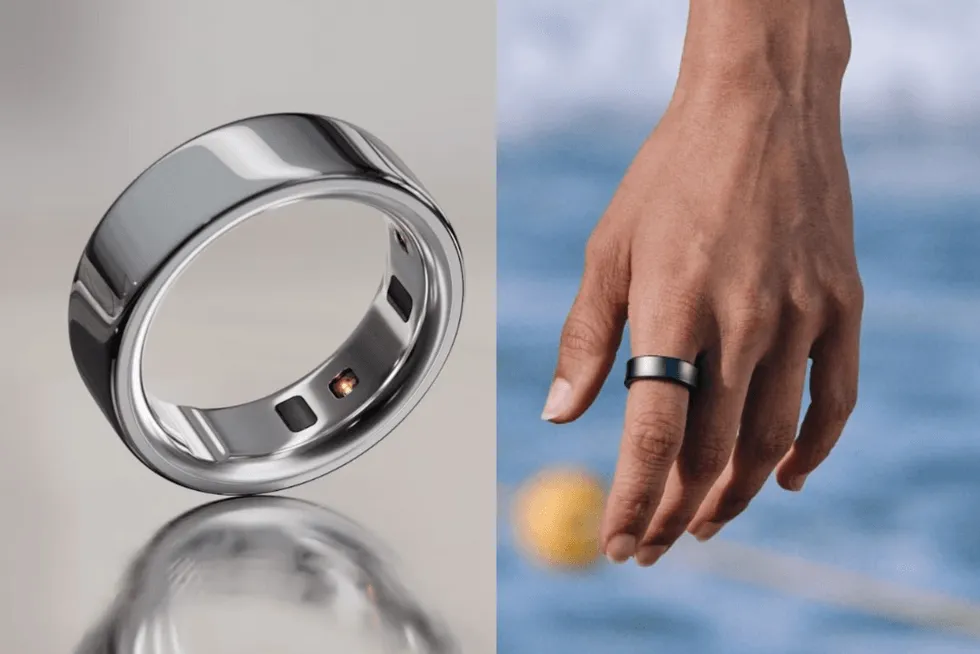
The market moves from universal recommendations to individual protocols: nutrition, sleep, recovery, load — all tailored to a specific person. A multitude of AI trackers emerges: sleep and recovery monitoring (Oura Ring), load and stress-response assessment (Whoop).
DNA testing, gut microbiome analyses, full check-ups, and nutrigenomics are on the rise. The field is shifting from general advice to personalized strategies for preventing chronic diseases, sustained performance, and long-term energy.
Longevity clinics, anti-aging directions, biohacking laboratories, and cellular health programs come to the forefront.
Projected market growth — up to $147 billion by 2029.
The wellness industry moves from disparate habits to a comprehensive system supporting the body: functional nutrition, sleep control, physical fitness, mental health, and prevention. This approach builds a personal road map tailored to the individual.
Wellness today is not only about the body but also about the brain. Daily routines include meditation, brain training, and stress management practices. In 2025, a trend toward deconcentrated meditation went viral on TikTok — when people simply watched their surroundings for 20 minutes, reducing information overload.
Mental health ceases to be a niche — it becomes the foundation of quality of life.
Sleep stops being a passive phase and becomes a conscious process. Its quality is valued on par with nutrition and movement — as a key to sustainable energy.
Wellness centers create sleep sanctuaries — spaces optimized for deep regulation of the nervous system.
How to create such a space at home:
• warm light spectrum (2700K and below), minimal blue
• acoustic quiet or white/pink noise
• temperature 18–19°C
• no screens or “do not disturb” modes
• smart mattresses and pillows
• neutral colors and visual minimalism
People are tired of hundreds of cosmetic jars that deliver minimal effect. Skincare shifts toward active ingredients: PDRN, retinoids, peptides, acids for specific tasks, extracts with proven efficacy — instead of the usual “moisturizing and fragrance.”
Consumers choose fewer products, but deeper impact. In injectable aesthetics, demand rises for dissolving fillers — a symbol of returning to naturalness and a functional approach.
Thermotherapy ceases to be exotic and becomes a tool for regulating the nervous system. People seek a measurable effect: reduced inflammation, increased heart rate variability, improved metabolic flexibility.
Ice baths go beyond SPA: cold baths appear on apartment balconies. A 2–3 minute immersion reduces inflammatory cytokines and increases dopamine by 200–250% for 3–5 hours.
Another device of the year is infrared panels. Deep heating improves circulation, reduces cortisol, and improves sleep quality (including SWS — deep sleep).
With rising loneliness among youth — in an international study from 2012–2018 “school loneliness” nearly doubled — people increasingly seek micro-communities rather than solitary retreats. According to WHO, one in six people worldwide regularly experiences loneliness.
New forms of closeness emerge: groups, clubs, joint practices, third spaces. Social bonds, empathy, and shared rhythm become part of sustainable well-being.
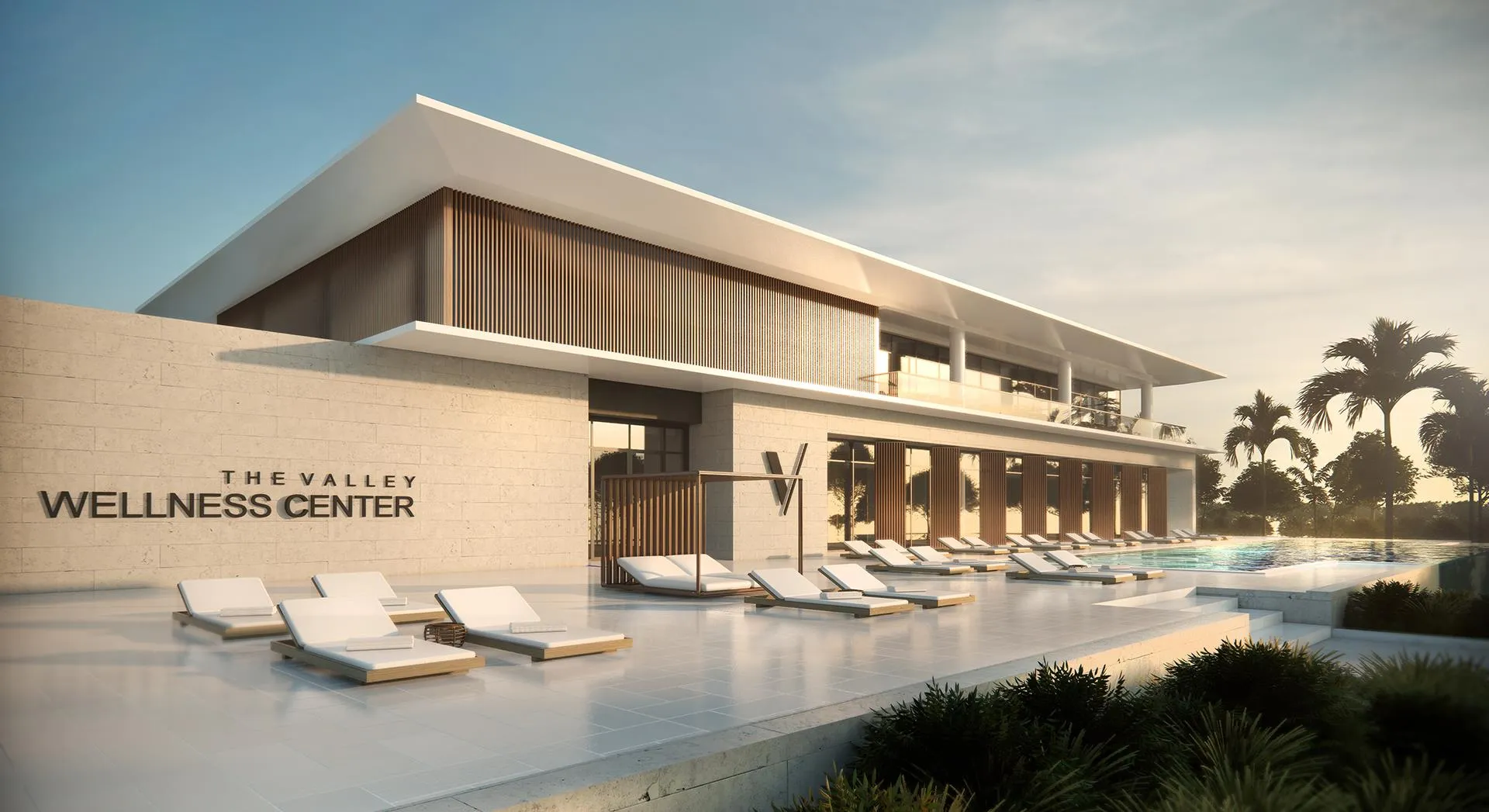
Wellness tourism continues to grow: trips for health, recovery, nature contact, and emotional reboot.
The market for healing/wellness retreats in 2025 will reach $248.1 billion and is projected to ~$2.1 trillion by 2030.
Tourism becomes a way to tune into nature’s rhythms, culture, and one’s own state — not just a vacation, but a gentle system reboot.
The world is overloaded with signals, and the more information around us, the less we notice our own sensations. People tire of life “in the head” — constant analysis, accelerated thinking, digital stimuli.
The trend toward returning sensitivity includes:
• tracking sensations and tensions in the body
• breathing and Somatic practices
• gentle fascia mobilization
• massages and somatic techniques to release repressed emotions
The body stores unexperienced emotions, and through restoring sensitivity, a person regains the ability to ecologically experience stress and tension.
We stand on the threshold of change. Wellness is no longer about trends and aesthetics. It is about returning to oneself. Wellness becomes a way to hear the body more deeply, to live slower and more sustainably.
It is not a path to perfection. It is a path to sustainability. To balance. To depth.
Slogan of the year: “More mindfulness — less noise.”
How was this article?
Share