Muscle pain after an intense workout can feel like the familiar price of physical exertion. This is especially true if you’ve returned to exercise after a break, increased your working weights, or tried high-intensity training for the first time. Usually, this pain–often called muscle soreness–gradually goes away on its own. But sometimes similar sensations can signal a dangerous condition in which damaged muscles begin to break down and the substances released enter the bloodstream.
This condition is called rhabdomyolysis. It can occur after excessive physical exertion, even in young, healthy people. In severe cases, the breakdown of muscle cells can lead to acute kidney injury, dangerous imbalances in electrolytes, and the need for hospitalization.
How can you tell ordinary muscle soreness from potentially dangerous muscle damage? Which symptoms should you watch for, and why are severe pain, significant muscle swelling, unusual weakness, or dark urine after a workout reasons not to delay seeking medical care? Let’s look at when recovery after exercise is no longer a normal response from the body.
What happens during rhabdomyolysis
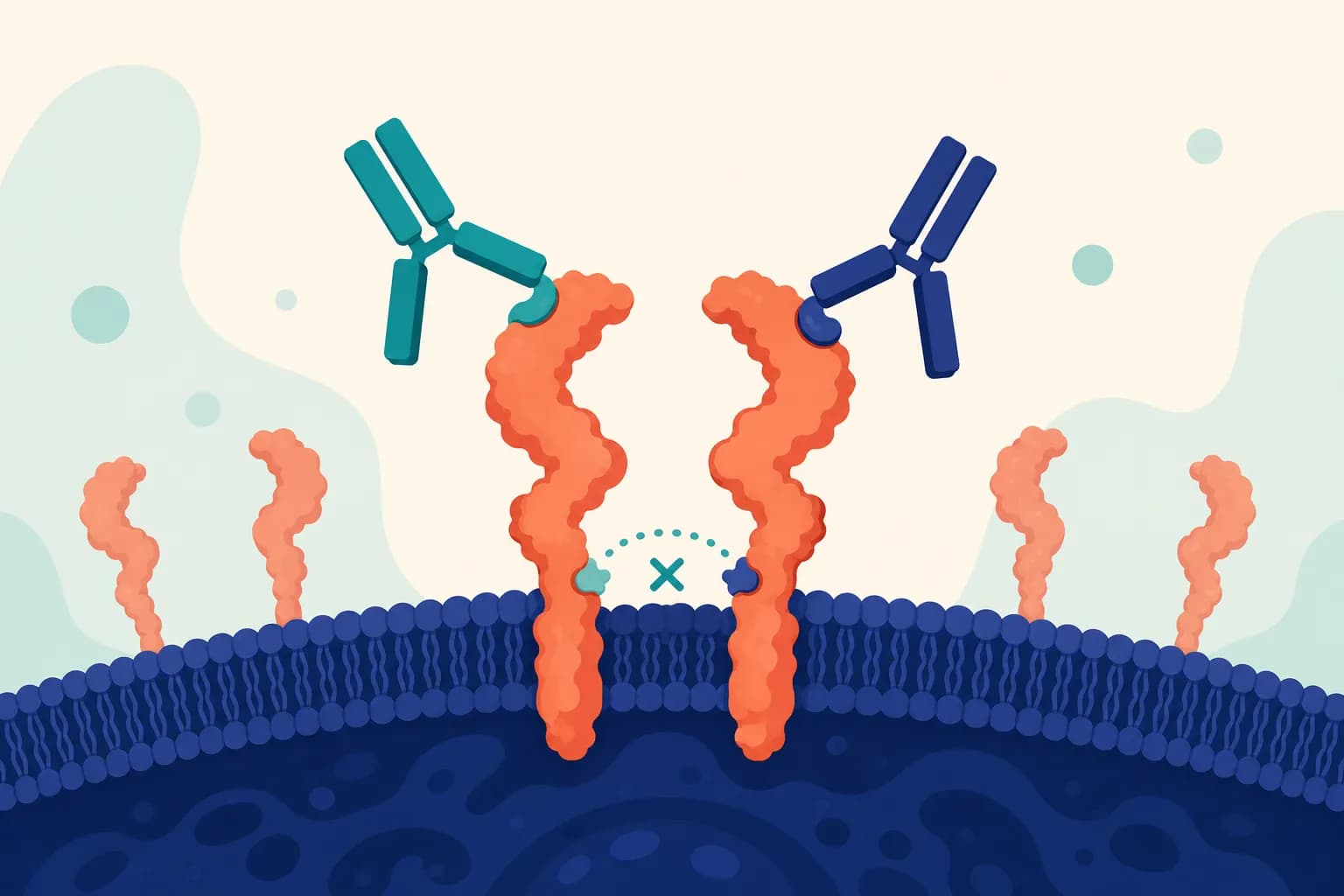
With rhabdomyolysis, muscle cells are damaged and their contents enter the bloodstream. These substances include the protein myoglobin and electrolytes, including potassium. Myoglobin can contribute to kidney damage, while excess potassium can disrupt heart rhythm.
Exertional rhabdomyolysis is associated with physical effort. It can occur when the demands of exercise exceed the muscles’ current capacity. Past experience doesn’t necessarily reflect your current fitness: after a break, a familiar routine may be too much.
According to the U.S. Centers for Disease Control and Prevention (CDC), rhabdomyolysis can also affect well-trained athletes. Sometimes it is triggered by activities that had not caused problems before.
Muscle soreness or rhabdomyolysis: why one sign isn’t enough
Muscle soreness, or delayed-onset muscle soreness, often occurs after unfamiliar exercises. According to the American College of Sports Medicine fact sheet, it usually starts 12–24 hours after exercise and is at its worst 24–72 hours later. It is especially common after movements in which a tensed muscle lengthens, such as lowering a weight or running downhill.
However, the rule “it hurt the next day, so it must be soreness” is unreliable. Symptoms of rhabdomyolysis can also appear hours or days later. In addition, ordinary muscle soreness can involve temporary loss of strength, mild swelling, and restricted movement.
The distinction depends on the overall picture: how severe the pain is relative to the workout, how pronounced the weakness is, whether swelling is getting worse, and what is happening with urination. A home checklist cannot rule out rhabdomyolysis: if you have concerning symptoms, you need a medical assessment and lab tests.
Which symptoms require urgent care
The CHAMP Clinical Practice Guideline for service members identifies pain that is disproportionate to the exertion, severe weakness, muscle swelling, and significant restriction of movement as signs that may indicate exertional rhabdomyolysis.
Stop exercising and seek medical care immediately if:
your muscles hurt much more than you would expect after that workout;
the weakness is so pronounced that everyday movements feel unusually difficult;
you develop significant or increasing muscle swelling;
your urine turns the color of tea or cola.
Don’t wait for your urine to turn dark. The CDC warns that a person may have only some of the symptoms. Normal-colored urine does not guarantee that dangerous muscle damage has not occurred.
If you have these signs, go to a hospital emergency department. If your condition is getting worse quickly or you cannot get there safely on your own, call emergency services. Don’t test yourself with additional exercises, and don’t put off seeking help for several days to see whether your muscles “loosen up.”
How doctors detect muscle damage and assess the risk
One of the main tests measures creatine kinase (CK) in the blood. This is an enzyme released by damaged muscle cells. The test may be repeated to track changes in the level. The doctor will also check kidney function and electrolyte levels.
According to Wilkinson’s account, her CK reached 90,000 U/L. But a single number does not tell the whole story: CK can rise after physical exertion even without clinically significant rhabdomyolysis. Results are assessed alongside symptoms, the circumstances of the workout, and other test findings.
In a study by Amir Sabouri and colleagues, published in JAMA Network Open in 2024, acute kidney injury was found in 17 of 200 hospitalized patients with exertional rhabdomyolysis, or 8.5%. CK levels alone were not associated with this complication. These figures refer to a selected group of hospitalized patients and do not show the risk for a typical gym-goer.
A negative urine test also does not rule out rhabdomyolysis: myoglobin is cleared quickly. Treatment decisions are based on the overall clinical picture. Treatment may include intravenous fluids and monitoring of kidney function and electrolytes.
Why you shouldn’t try to “push through” the pain
Painkillers may dull the sensations, but they can’t show how badly the muscles are damaged. In Sabouri’s study, dehydration and taking nonsteroidal anti-inflammatory drugs before hospitalization were associated with kidney injury. The observational study design does not prove causation, but trying to mask suspicious pain with ibuprofen or similar medicines instead of seeking help is not a safe approach.
Simply trying to drink lots of water is no substitute for medical evaluation either. If rhabdomyolysis is suspected, it’s important to find out whether the kidneys are coping and whether there are dangerous changes in electrolyte levels.
When returning to exercise after a break, use your current tolerance for exertion as your guide. Your previous working weights and number of repetitions may not be right for you straight away. After confirmed rhabdomyolysis, work with your doctor to determine when to return to training, taking recovery and test results into account.
Do I need to get my creatine kinase checked after every hard workout?
Usually not. A rise in CK after exercise does not by itself mean there is dangerous muscle damage. A doctor will decide whether testing is needed based on your symptoms and the circumstances. Concerning signs warrant medical attention whether or not you have had blood tests before.
Can rhabdomyolysis occur in a cool environment?
Yes. Overheating is not a necessary condition for exertional rhabdomyolysis. Muscle work that is too intense for your current fitness level can cause it even when it isn’t hot.
Does rhabdomyolysis always require hospitalization?
Not always, but the decision is made by a doctor after an assessment. A prospective study published in 2026 describes the possibility of outpatient management for selected patients, with follow-up. This is not a reason to stay home on your own if you have concerning symptoms.