Can Peppermint Oil Lower Blood Pressure? A Review of a 20-Day Study
Peppermint oil has been linked to lower blood pressure after a short study. We explain why 20 days of observation are no reason to stop taking your prescribed medication.

Peppermint oil has been linked to lower blood pressure after a short study. We explain why 20 days of observation are no reason to stop taking your prescribed medication.

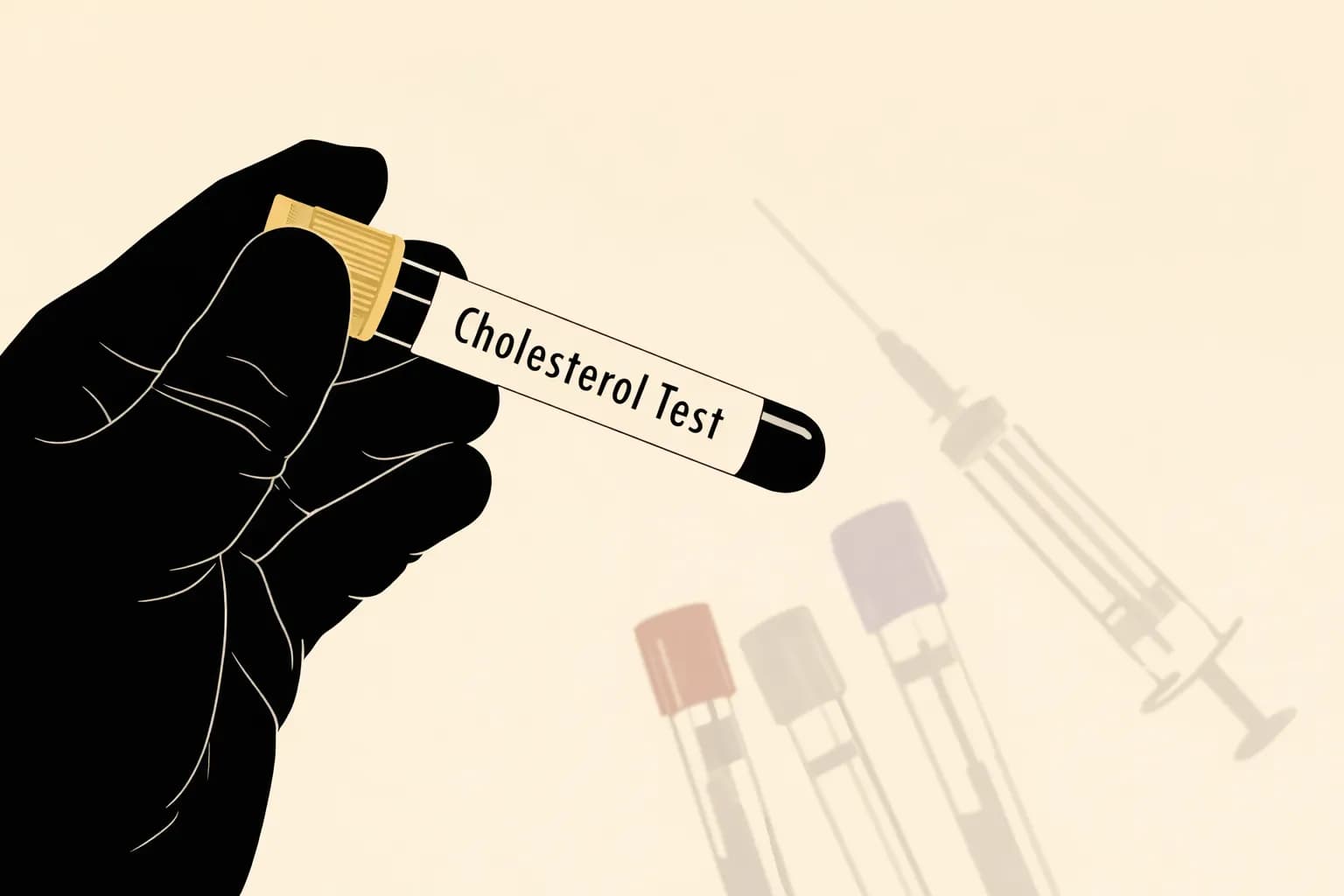
High lipoprotein(a) is often inherited and can go unnoticed for years. We explain who needs the test and why exercise and supplements do not change its level.

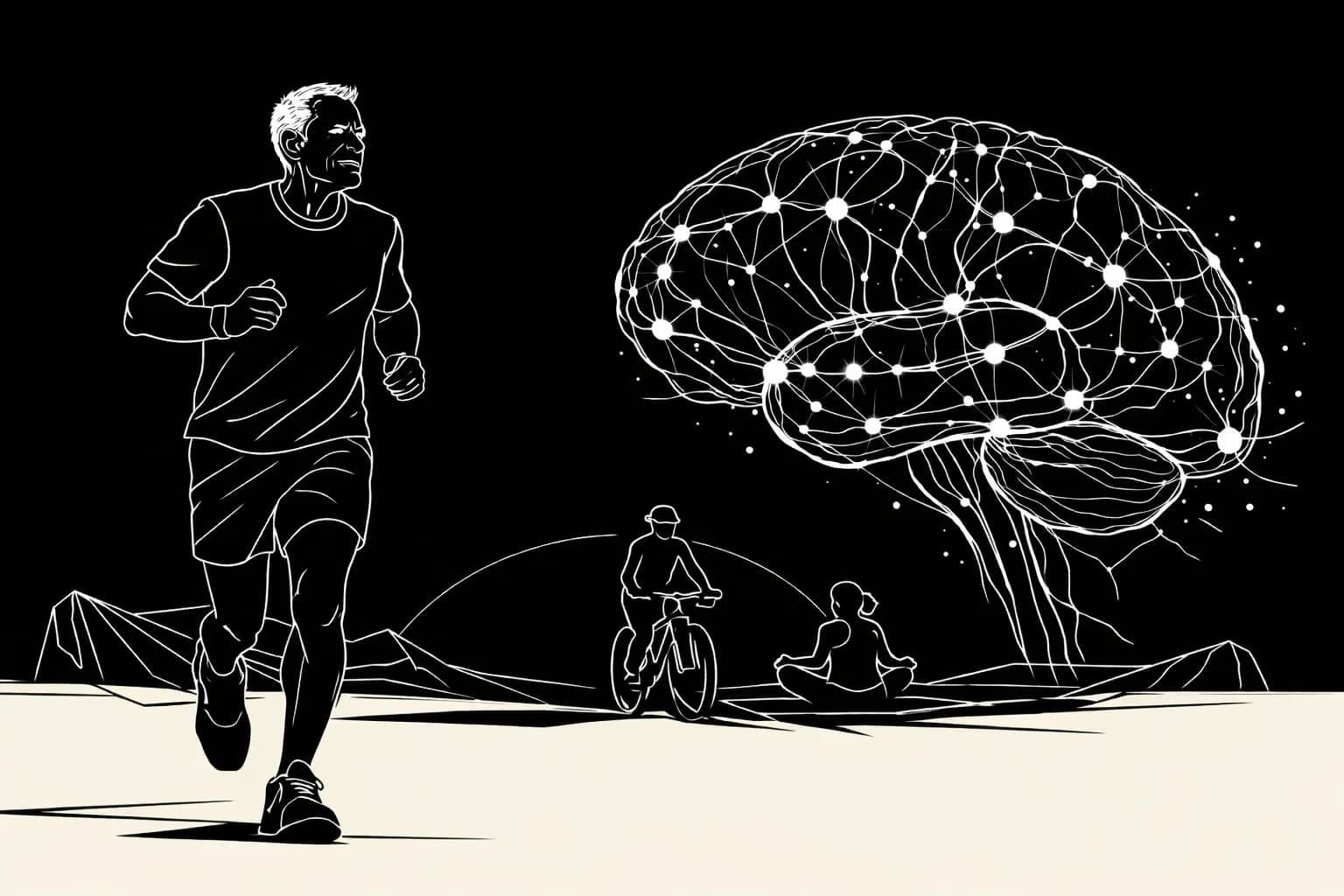
150 minutes of movement is neither a magic number nor a fitness sentence. We explore why the heart may benefit from a greater amount of activity and how to increase it without overdoing it.

We break down the peptide boom. What is supported by science, what is FDA-approved, and what is sold online as a “medical revolution”

Why did the "cholesterol" guidance suddenly become guidance on dyslipidemia — and what does this change mean for your lab results personally? We provide an extensive review and comparison with the 2018 recommendations

Do you feel like a more energetic version of yourself lives inside — and you can’t reach it? With age, cells don’t “break” — they lose the ability to read their own instructions, and this can be reversed

Do you wake up exactly at 3:00 with a clear head and anxiety, as if an internal siren has turned on? Often it's not "psychology" but a glucose spike or an early rise in cortisol — and each time has its own cause.

When a doctor says "MCI, nothing critical," the anxiety still doesn't go away: memory is who you are. The Bredesen protocol boldly proposes not an "Alzheimer's pill," but the search for 36 holes in the brain's "roof" — and an attempt to patch each one.

A morning cup of coffee can not only wake you up but also save the heart. A new large study found a link between the time of coffee consumption and the risk of disease. What does the morning ritual hide?

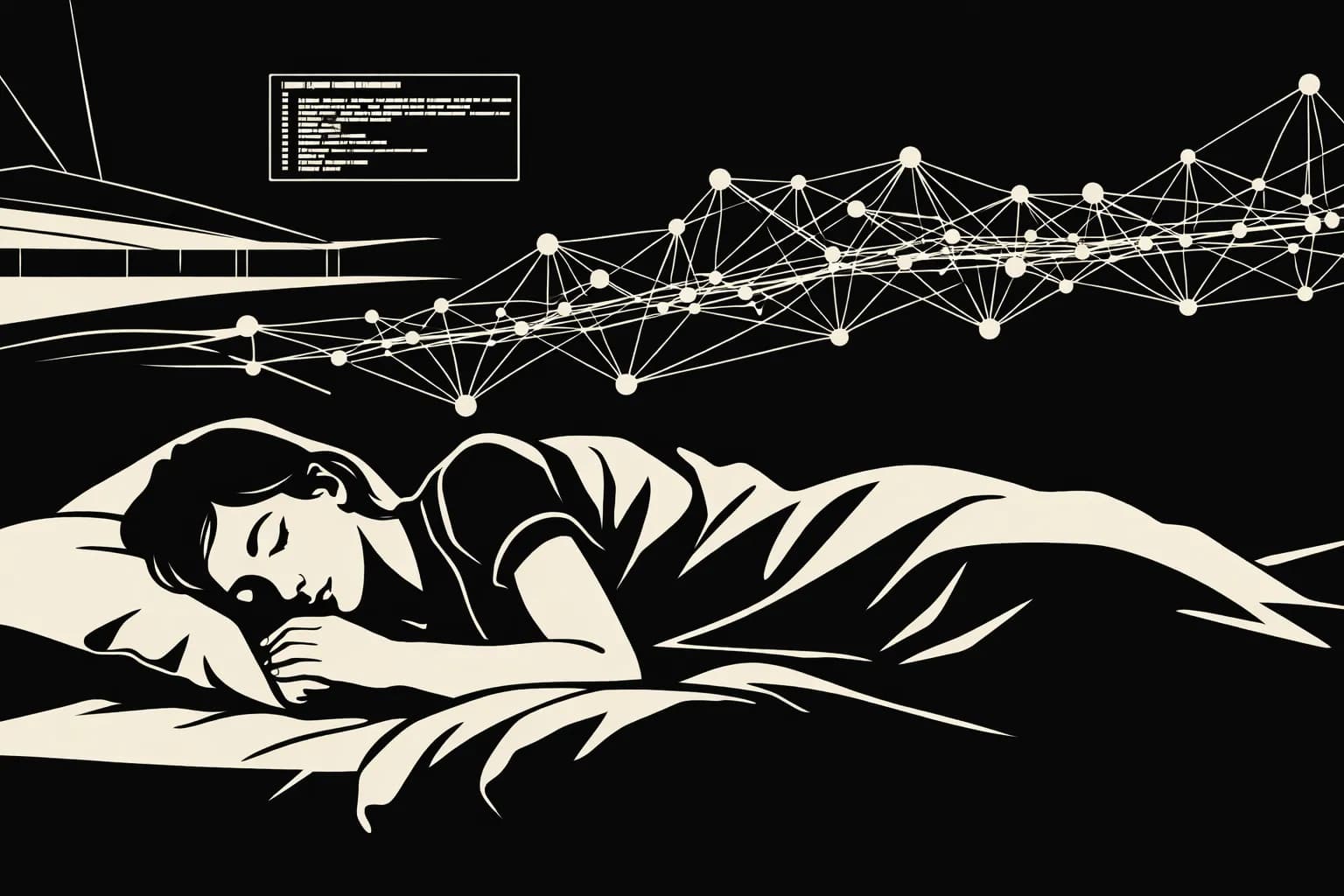
Woke up after four hours of sleep and feel your brain sinking into a cottony swamp? Let’s figure out how the glymphatic system cleans the brain at night, why inflammation rises, and how your well-being changes in the first hours after sleep deprivation.

Imagine: your sleep is a health diary for years to come. SleepFM from Stanford Medicine reads body signals at night and predicts risk of heart attack, Parkinson's, and even cancer long before symptoms.

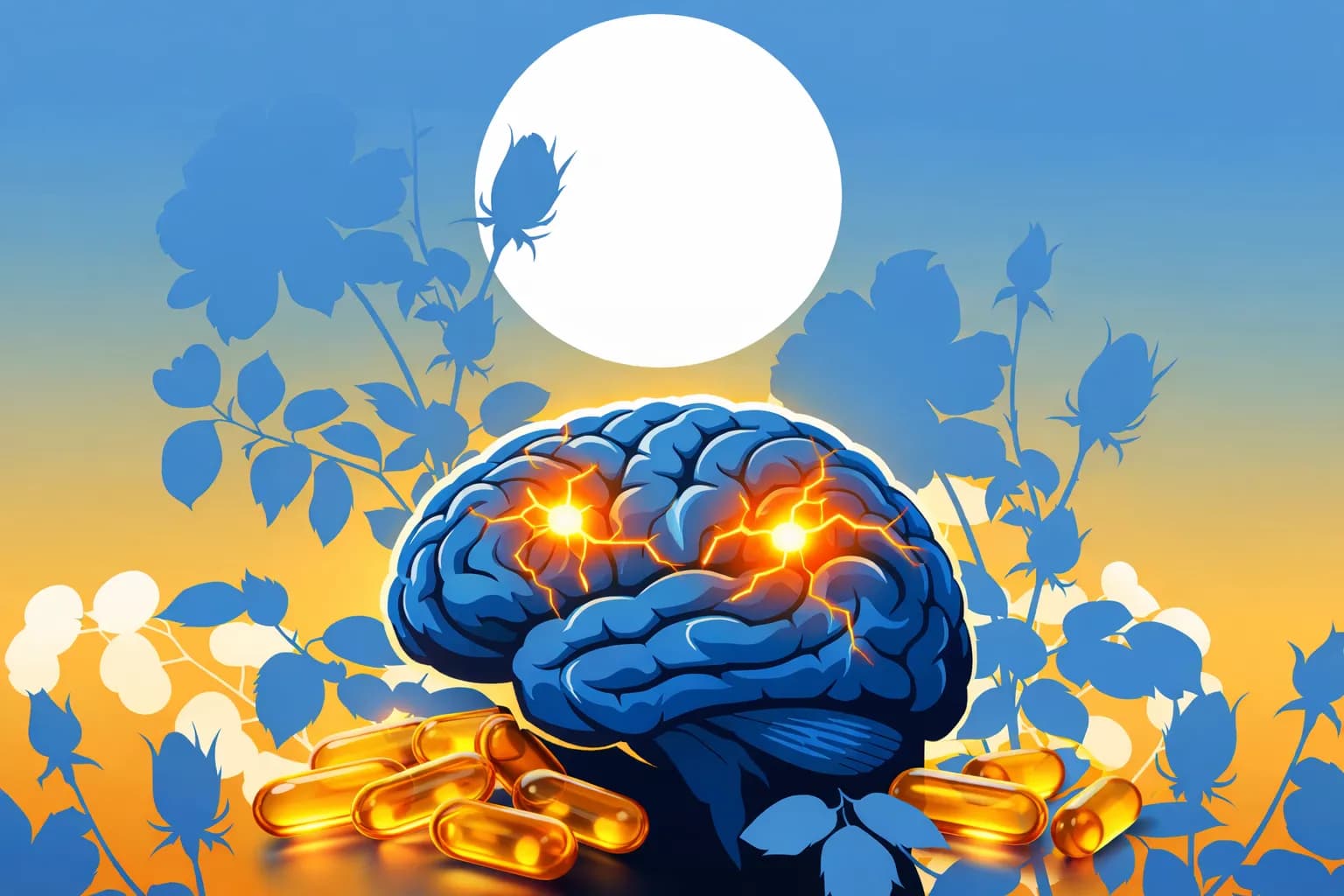
Vitamin D is not just for bones. A large study showed that D3 slows telomere shortening, and Canadian observations link D intake with a lower risk of dementia.
Wellness easily turns into a set of fashionable promises, so this section works differently: we look at what stands behind the loud headline. Sleep and recovery, nutrition, movement, biohacking and supplements are areas with plenty of research that is rarely retold carefully.
Our material examines which recommendations rest on data and which rest on a single study with twenty participants; how much movement the heart actually needs, what happens to the body during sleep deprivation, what regulators have genuinely approved. None of it replaces a doctor — but it helps you ask sharper questions.
Weekly tips on lifestyle, mindset, spirituality & wellness — straight to your inbox.