
Wellness

Hormone therapy for menopause: the decision to treat hot flashes depends on symptoms, age, and individual risks

Hormone Therapy for Menopause: What Has Changed in ACOG’s Recommendations

Hot flashes are keeping you up, but the word “hormones” feels scary? ACOG’s updated recommendations clarify who may benefit from treatment and why age, medical history, and medication form can affect the decision.

⋄6 min read
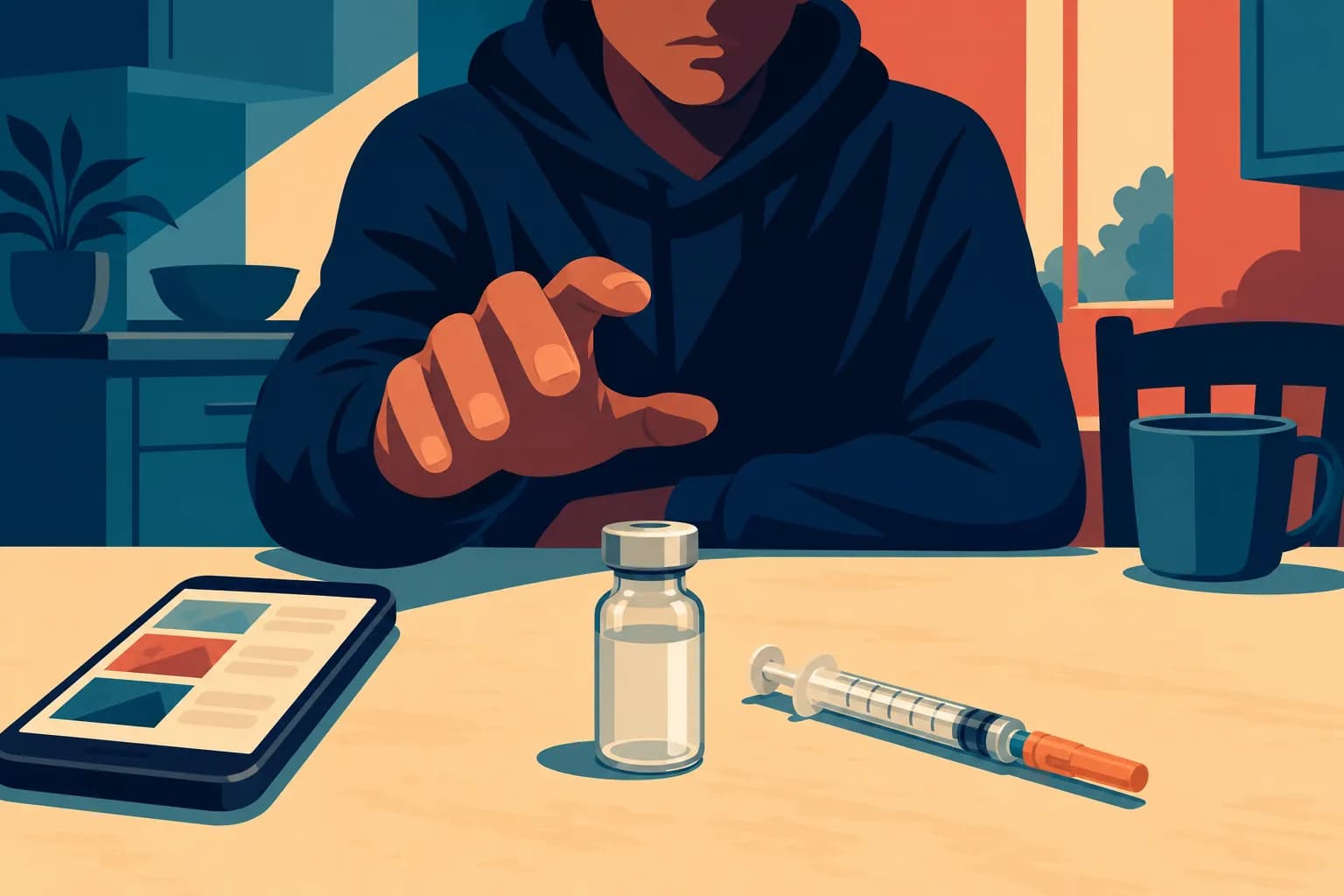
Black-market retatrutide

Retatrutide — a breakthrough for weight loss or a risk to life?

Vials labeled retatrutide are being sold before the drug is approved. Two reports of deaths do not yet establish a causal link—but there are other reasons to avoid buying it through social media.

⋄7 min read
A dark bedroom as a condition for peaceful sleep and support of circadian rhythms connected to heart function

Can a dark bedroom be important for heart health?

Light from outside the window, a phone screen, and a night-light can disrupt the body’s internal clock. We examine what is known about the connection between nighttime lighting and the heart—without promising that “darkness can cure.”

⋄7 min read
The long-term effects of medications on the gut microbiome and safe recovery after antibiotics

Can medications change the microbiome for a long time?

Antibiotics can leave a mark on the microbiome for months, but the picture is more complicated with antidepressants and blood pressure medications. We examine the evidence without urging anyone to stop treatment.

⋄7 min read
Spirulina does not replace bioavailable vitamin B12 in the diet

Can Spirulina Be Considered a Reliable Source of Vitamin B12?

Spirulina may contain compounds resembling B12, but they are often useless to humans. We explain why green powder does not replace a proven supplement.

⋄7 min read
Mycotoxins in plant-based meat: how to distinguish a laboratory finding from a real health risk

Should You Be Afraid of Mycotoxins in Plant-Based Meat Alternatives?

An alarming headline about “dangerous toxins” in plant-based meat sounds convincing. We examine what the detection of a mycotoxin means, where the real risk begins, and how to choose products.

⋄7 min read
a low-carbohydrate diet requires LDL cholesterol monitoring in cases of family risk and excessive saturated fat intake

Who May Experience a Sharp Increase in LDL Cholesterol on a Low-Carbohydrate Diet

On keto, triglycerides fall in some people while LDL skyrockets in others within a few weeks. Here’s who especially needs to monitor their lab results and why feeling well is not enough.

⋄7 min read
A full-body MRI without symptoms does not replace a personalized prevention plan

Is a Full-Body MRI Necessary When There Are No Symptoms?

A full-body MRI promises peace of mind and control, but in a healthy person it more often triggers a search for incidental findings. We explain who may need it and what alternatives are available.

⋄8 min read
Intrinsic capacity helps assess healthy aging beyond a list of diagnoses

Intrinsic Capacity: Why Aging Is Assessed Beyond Diagnoses

A person’s age on their passport and list of diagnoses say little about how they live. We explain what the WHO calls intrinsic capacity and why it is assessed.

⋄7 min read
Fiber in the diet as nourishment for bacteria that produce butyrate in the gut

How Much Fiber Does the Gut Need to Produce Butyrate?

Gut bacteria produce butyrate when they receive the right types of fiber. We explain where to start, which foods to choose, and how to avoid bloating.

⋄8 min read
Melatonin for chronic insomnia: how to assess the benefits and risks of daily use

Can You Take Melatonin Every Day? What Is Known About the Risks

Melatonin may seem like a harmless supplement, but taking it for months requires a closer look. We examine the signal of a risk of heart failure and outline a plan for chronic insomnia.

⋄9 min read
Sweeteners and cravings for sweets: differences between taste, hunger, and calories

Do Sweeteners Change Cravings for Sweets in the Same Way as Sugar?

Sugar and sweeteners taste equally sweet on the tongue, but affect glucose, hormones, and hunger differently. We explain why you sometimes want dessert after a zero-sugar drink.

⋄7 min read

Wellness

Wellness easily turns into a set of fashionable promises, so this section works differently: we look at what stands behind the loud headline. Sleep and recovery, nutrition, movement, biohacking and supplements are areas with plenty of research that is rarely retold carefully.

Our material examines which recommendations rest on data and which rest on a single study with twenty participants; how much movement the heart actually needs, what happens to the body during sleep deprivation, what regulators have genuinely approved. None of it replaces a doctor — but it helps you ask sharper questions.

Stay Inspired

Weekly tips on lifestyle, mindset, spirituality & wellness — straight to your inbox.