How diet affects youthful facial skin
True skin youth begins with diet. We analyze how protein, sugar, and gaps between meals influence cell renewal and facial radiance — read on.

⋄3 min read

Two people of the same age come to a clinic. Both have chronic conditions and both take medication. But one woman walks confidently around the city, remembers her grandchildren’s names, follows conversations at the family table, and makes plans for a trip. The other struggles to get up from a chair, has almost stopped leaving the house, and increasingly turns down invitations. A list of diagnoses alone does not explain this difference.
Intrinsic capacity is the combination of a person’s physical and mental abilities: moving, thinking, coping with emotions, seeing, hearing, and maintaining energy. In English-language literature, the term is intrinsic capacity; it is sometimes transliterated in professional Russian, although “intrinsic capacity” is clearer.
It is assessed in addition to diagnoses because healthy aging depends on a person’s real-life abilities: whether they can dress themselves, walk to the store, take part in a conversation, recover after an illness, and do the things that matter to them.
The World Health Organization described this approach in detail in its 2015 report, World report on ageing and health. The WHO proposed viewing aging through a person’s functional abilities rather than reducing the discussion to the number of years lived or the absence of disease.
This is not an attempt to dismiss diagnoses. Arthritis, diabetes, depression, and hearing loss require medical attention and treatment. However, the same diagnosis affects different people in different ways. Someone receiving well-adjusted treatment, with strong muscles and support from loved ones, may remain active for years. For someone else, several minor limitations may combine into a significant loss of independence.
The WHO distinguishes between intrinsic capacity and functional ability. The first refers to a person’s own resources. The second develops through their interaction with the environment: stairs or an elevator in the building, street lighting, accessible transportation, family assistance, or a hearing aid. Poor eyesight feels very different when the entrance hall has a dim light and no handrail.

In the WHO’s Integrated Care for Older People (ICOPE) guidance, published in 2019, six areas are identified for initial assessment. It is useful to think of them as a map rather than an exam with a single final score.
Locomotion. This includes walking, balance, leg strength, the ability to stand up, and the ability to manage familiar physical demands.
Vitality. This includes nutrition, unintentional weight loss, appetite, and overall energy reserves.
Cognitive abilities. Memory, orientation, attention, and the ability to manage familiar tasks.
Psychological well-being. Persistent low mood, loss of interest, anxiety, and feelings of isolation can significantly narrow a person’s life.
Vision. What matters is not only the line read in an ophthalmologist’s office, but also whether you can distinguish steps, faces, medications, and price labels.
Hearing. When a conversation in a café turns into the stressful task of guessing words, people often begin to avoid social contact.
These areas are interconnected. Poor hearing can lead someone to see friends less often; loneliness can undermine mood; and low mood can make it harder to motivate oneself to go for a walk. That is why discussing a person’s “body resources” is more useful than hunting for one magical measure.
Biological age is calculated using laboratory tests, the condition of blood vessels, epigenetic markers, and other data. This is an interesting area of science, but home calculators and advertised testing packages often create a false sense of precision. A number may cause anxiety even when a person feels well—or, conversely, provide reassurance despite growing difficulties in everyday life.
Intrinsic capacity addresses a more practical question: “What can I do now—and what has become more difficult?” It does not predict the date of death or issue a verdict on longevity. It is a language for starting an early conversation about changes.
Approach | What it examines | How it may help | What it does not provide |
|---|---|---|---|
List of diagnoses | Diseases and prescriptions | Helps treat specific conditions | A complete picture of independence and quality of life |
Biological age | Individual biomarkers and calculation models | May become a topic for discussion with a doctor | An accurate personal forecast or a plan for every day |
Intrinsic capacity | Movement, vitality, thinking, psychological well-being, vision, and hearing | Helps identify functional decline earlier | A diagnosis or a substitute for a medical examination |
Aging should also be measured by how much of life remains accessible to a person in their ordinary day.
With age, walking speed, visual acuity, or the ability to quickly recall a name may change. One awkward day after a sleepless night proves nothing. Repeated or worsening changes—and the way they interfere with everyday life—should raise concern.
You have started avoiding walks because you are afraid of losing your balance or becoming tired quickly.
You have to push yourself up with your hands from a chair where you once stood up easily.
You are losing weight unintentionally, your appetite has noticeably decreased, or your clothes have become too loose.
You regularly lose the thread of a familiar conversation or become confused when managing routine payments and medications.
For two weeks or longer, activities you used to enjoy bring you little or no pleasure.
You often cannot make out speech even in quiet settings or frequently ask people to repeat themselves.
It has become difficult to see steps, read instructions on packaging, or recognize someone familiar from a distance.
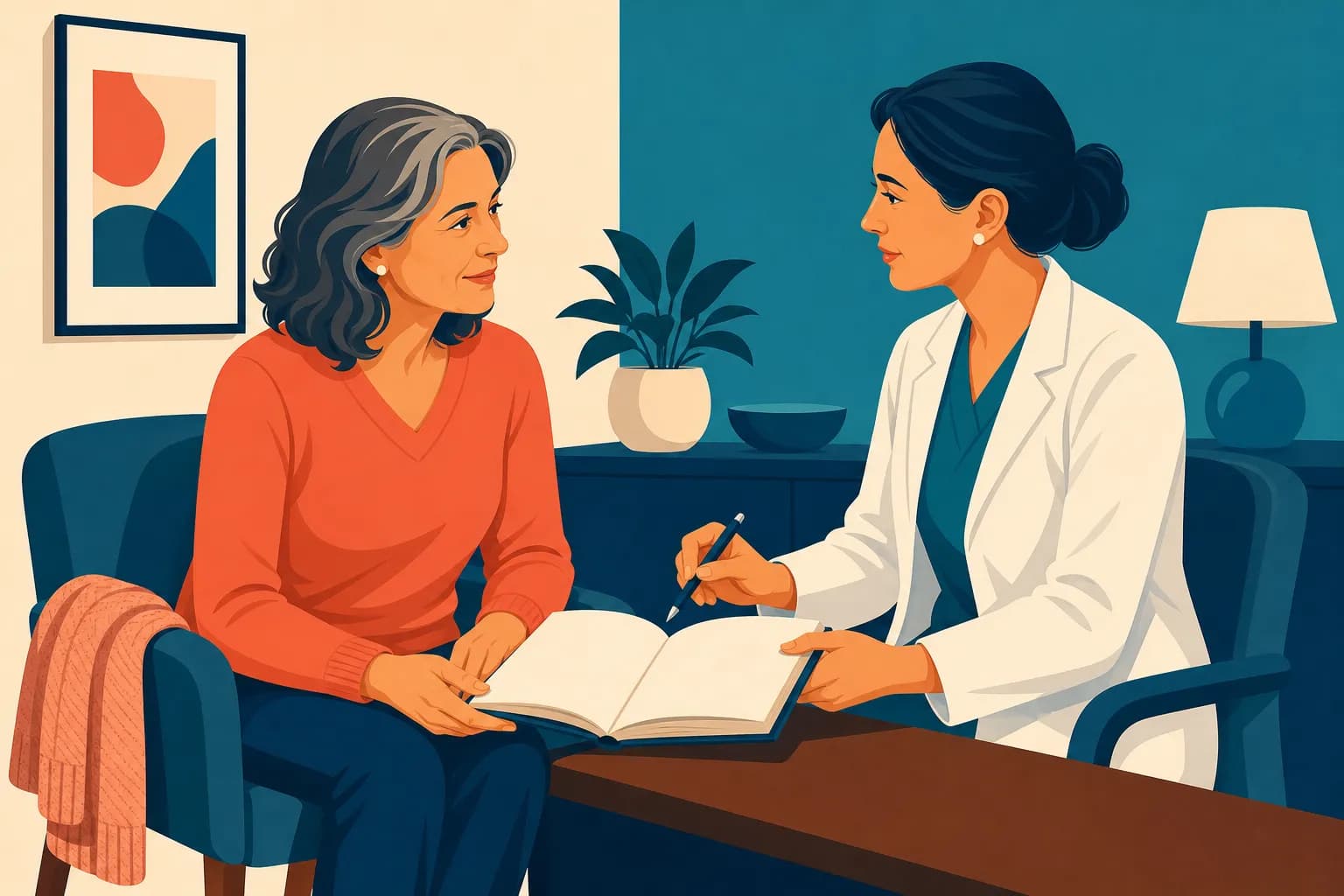
This list is not intended for self-diagnosis. It helps you describe a specific concern to a doctor. Saying, “Over the past three months, I have been going out less often because I am afraid of falling,” gives a specialist much more information than the general statement, “I suppose it’s just my age.”

Start with a brief observation period lasting two weeks. Note how often you went for a walk, how confidently you climbed stairs, how you slept, whether you had an appetite, and whether you felt like talking to people. Do not turn these notes into a system of self-punishment. Their purpose is to reveal trends.
Then choose one practical step. If your legs have become weaker, discuss safe physical activity with your doctor and add strength and balance exercises. If the world seems quieter, schedule a hearing check: sometimes a simple solution can return conversations, music, and confidence to a person’s life. If your vision is worsening, do not postpone an eye examination. And if you have lost interest in life or are experiencing constant anxiety, speaking with a psychotherapist or psychiatrist is just as sensible a form of health care as monitoring your blood pressure.
Those supporting an older relative should try to view changes without irritation. A person may not be “lazy”; they may have trouble seeing the numbers on the stove, feel embarrassed to ask others to repeat themselves because of hearing loss, or be conserving energy because of pain. A few adaptations at home can sometimes provide more freedom than another admonishing conversation.
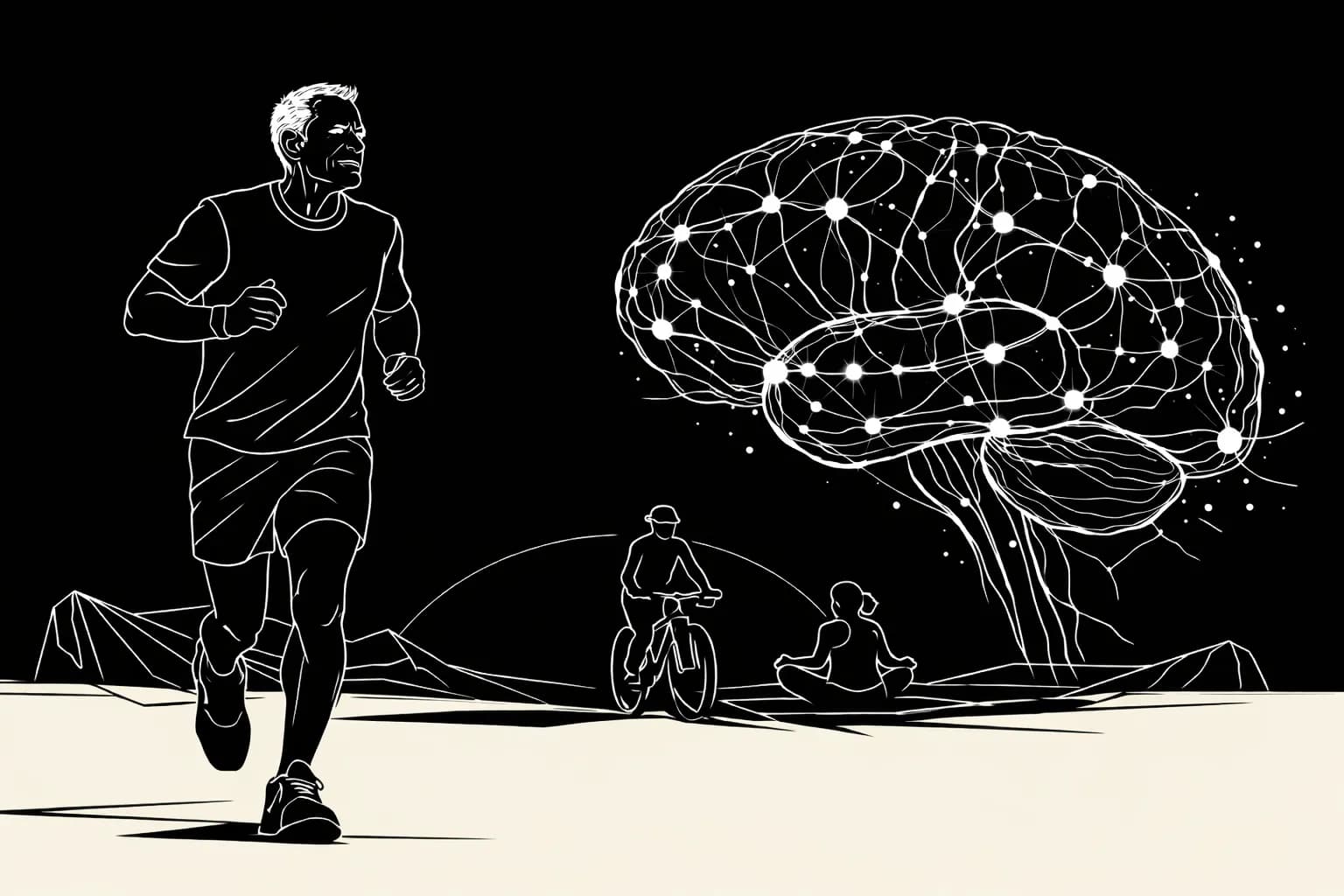
There is no universal protocol for preventing aging. But there are simple areas where effort can help: regular movement in an appropriate amount, sufficient protein and a varied diet, sleep, social contact, management of chronic conditions, and correction of hearing and vision problems. The goal is not perfect discipline. If a person can once again walk to the park independently, climb a flight of stairs with greater confidence, or stop missing get-togethers with friends, that is already a tangible result.
Intrinsic capacity changes. It may decline after an infection, surgery, the loss of a loved one, or a period of inactivity; recovery is also possible. Therefore, instead of anxiously asking, “How old am I really?” it can sometimes be more honest and useful to ask, “What ability do I want to regain over the next month?”
No. It is a way to assess the combination of a person’s physical and mental resources. It cannot be used to diagnose a disease independently, but it can help identify changes in time and prompt someone to seek assistance.
No, there is no single test for this. The assessment includes a discussion of everyday life and an evaluation of movement, memory, mood, hearing, vision, and nutrition.
The WHO’s formal approach is aimed primarily at older people, but paying attention to movement, sleep, vision, hearing, and mental well-being is useful at any age. Early attention to changes often makes them easier to address.
No. The presence of a diagnosis alone does not determine the level of intrinsic capacity. Much depends on disease control, rehabilitation, physical activity, the environment, and support.
Start with a primary care physician or general practitioner. They will assess possible causes and medications and, if necessary, refer you to a neurologist, geriatrician, orthopedist, or rehabilitation specialist.
Seek urgent medical help if confusion develops suddenly, especially together with weakness in an arm or leg, speech difficulties, a severe headache, or loss of consciousness. Gradual forgetfulness should also be discussed with a doctor if it interferes with everyday activities.
How was this article?
Share