Intrinsic Capacity: Why Aging Is Assessed Beyond Diagnoses
A person’s age on their passport and list of diagnoses say little about how they live. We explain what the WHO calls intrinsic capacity and why it is assessed.

⋄7 min read

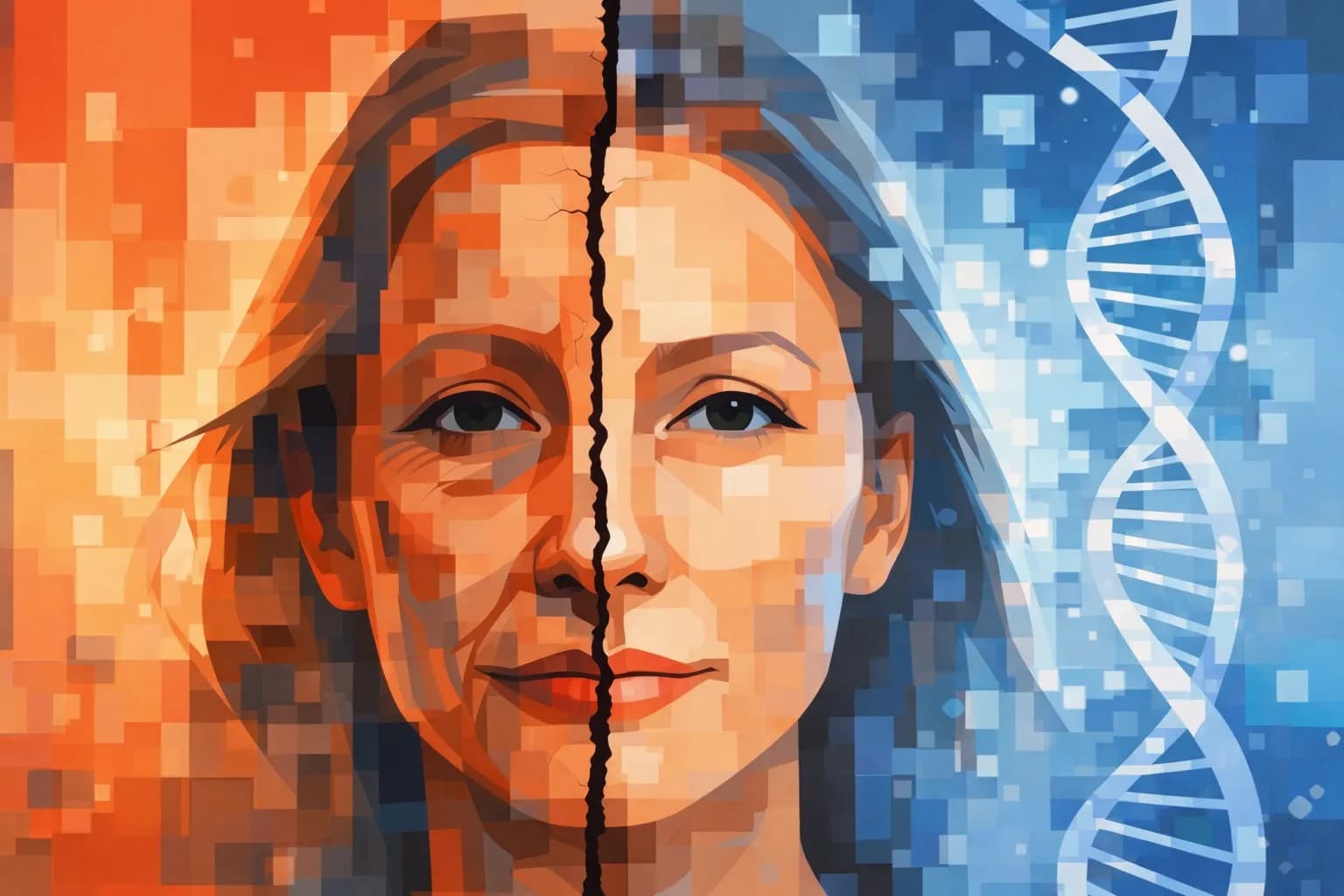
Usually, when we think about rejuvenation, creams, procedures, and injections come to mind. But the skin is not an isolated system; it always reflects what happens inside us. You can repair the facade as much as you want, but if the foundation is breaking down, age will still make itself felt.
That is where plastic surgeon Tony Yun starts his approach. He speaks frankly: no surgeries or care will help if nutrition breaks the body from within. Youth begins not in the doctor's office, but at the level of metabolism.

If you look at skin aging not only from the outside but from within, you can identify four main processes.
Each year we lose about 1% of collagen — the protein responsible for the density and elasticity of the skin.
After menopause, this process in women accelerates to 2% per year. Collagen is a protein, so as we age we need more quality protein. If it is not enough, the skin becomes thin, dry, and vulnerable.
The second enemy of youth is chronic inflammation, and its main dietary trigger is added sugar. It ages the skin in two ways: it destroys collagen and causes insulin spikes, supporting inflammation.
Externally this manifests as puffiness, dull complexion, and fatigue. At the cellular level — accelerated tissue aging.
Reactive oxygen species are another aging mechanism. They are especially abundant in ultra-processed products. Antioxidants from vegetables and fruits help neutralize this process. Therefore a bright, varied diet is not just a trendy fad but a real necessity for skin health.
With age, damaged proteins and structures accumulate in cells. The body can process them through autophagy — an internal cleansing system. But this process almost does not work if we eat constantly. Short fasting windows (12–16 hours a couple of times a week) help reduce inflammation, improve insulin sensitivity, and support cell renewal. It’s not about strict fasting, but natural restoration.
Often people worry that there will not be enough protein during fasting. This is fair if you restrict eating every day. But if you approach it sensibly, everything fits: on normal days — enough protein for skin and muscles, and on specific days — short eating windows to trigger autophagy.
Earlier we wrote about the diet strategies based on meal timing. An easy way to quickly adjust metabolism.
What worked at 30 may not work at 45. Hormones, stress level, activity — all of this influences how the body reacts to food. There is no universal diet. It is important to learn to listen to your body and adjust the approach over time.
Many people are used to feeling “not great” and consider it normal. Only by trying whole, unprocessed food can you truly understand what real energy feels like.
Skin ages from the inside. Procedures improve only the outer layer, while nutrition affects deeper processes.
Loss of collagen is inevitable, but its rate depends on protein, inflammation, and hormones.
Sugar and ultra-processed foods age the skin faster than age itself.
Antioxidants from natural products are more effective than any supplements.
Short periods without food are not a stress, but a way to renew cells.
Intermittent fasting and adequate protein combine well with a flexible approach.
There is no universal diet: nutrition should change with age, hormones, and lifestyle.
When the foundation of health is built, skin, energy, and appearance begin to improve on their own. That is what true youth is — not an imitation of it, but the result of taking care of yourself from the inside.
How was this article?
Share