Biohacking

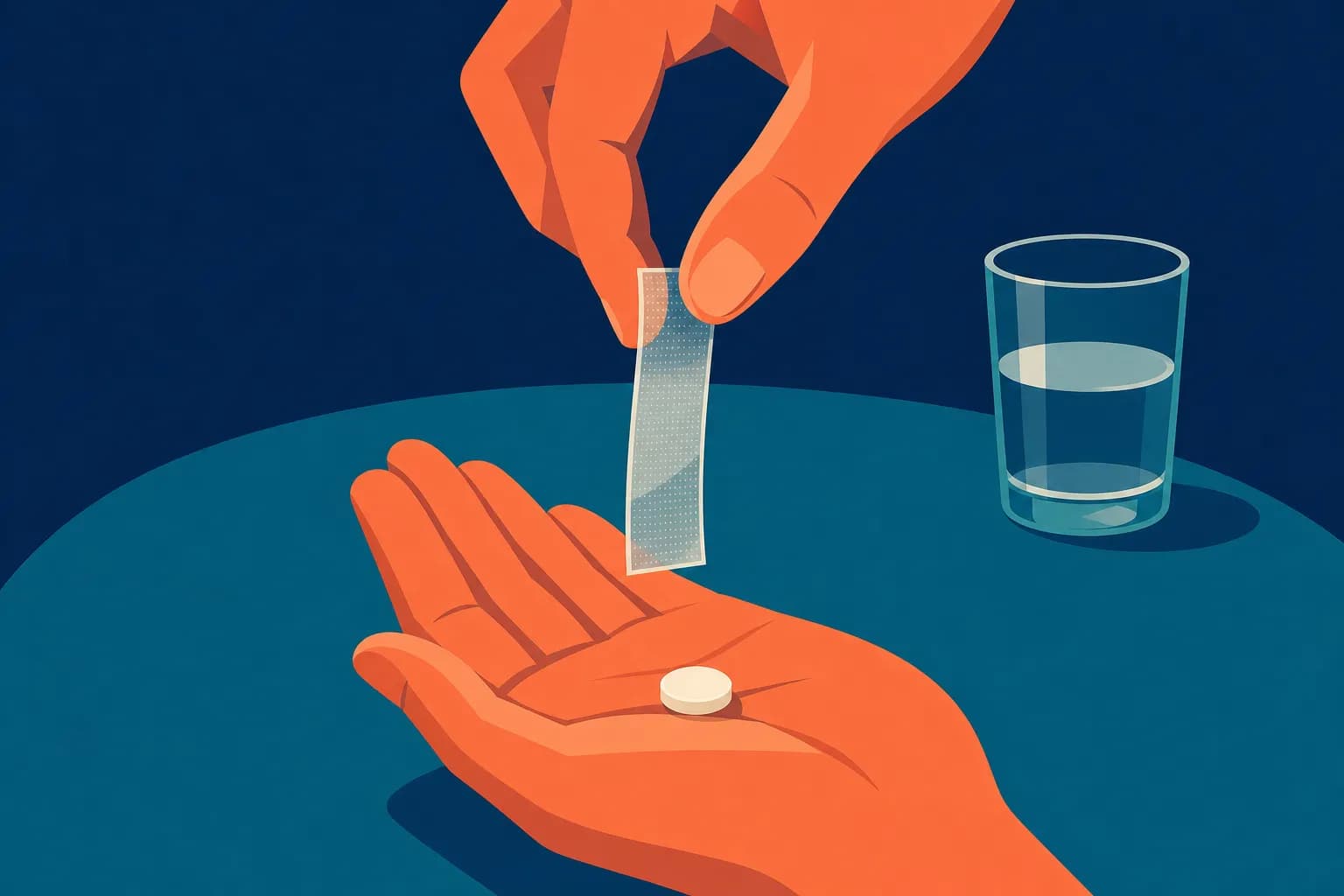
Comparison of a dissolvable strip and a tablet as ways to take supplements

Supplements in Dissolvable Strips: Do They Have an Advantage Over Tablets?

Dissolvable strips let you take supplements without water. We look at whether that means better vitamin absorption and what evidence is needed to compare this new format with tablets.

⋄5 min read
A wearable device as a complement to a menopause symptom diary

Menopause Trackers: What Watches and Rings Can Tell You

Smartwatches and rings can help you notice changes in sleep, heart rate, and temperature. We look at what this data can tell you about menopause symptoms–and how to use it without falling into anxious self-diagnosis.

⋄7 min read
Predicting cancer survival from a photo: the research potential and limitations of FAHR-Face

Can AI Predict Life Expectancy from a Photo?

One photo—and a cancer prognosis? AI has learned to assess health from a facial photograph: what the FAHR-Face study found. Let’s explore the results.

⋄5 min read
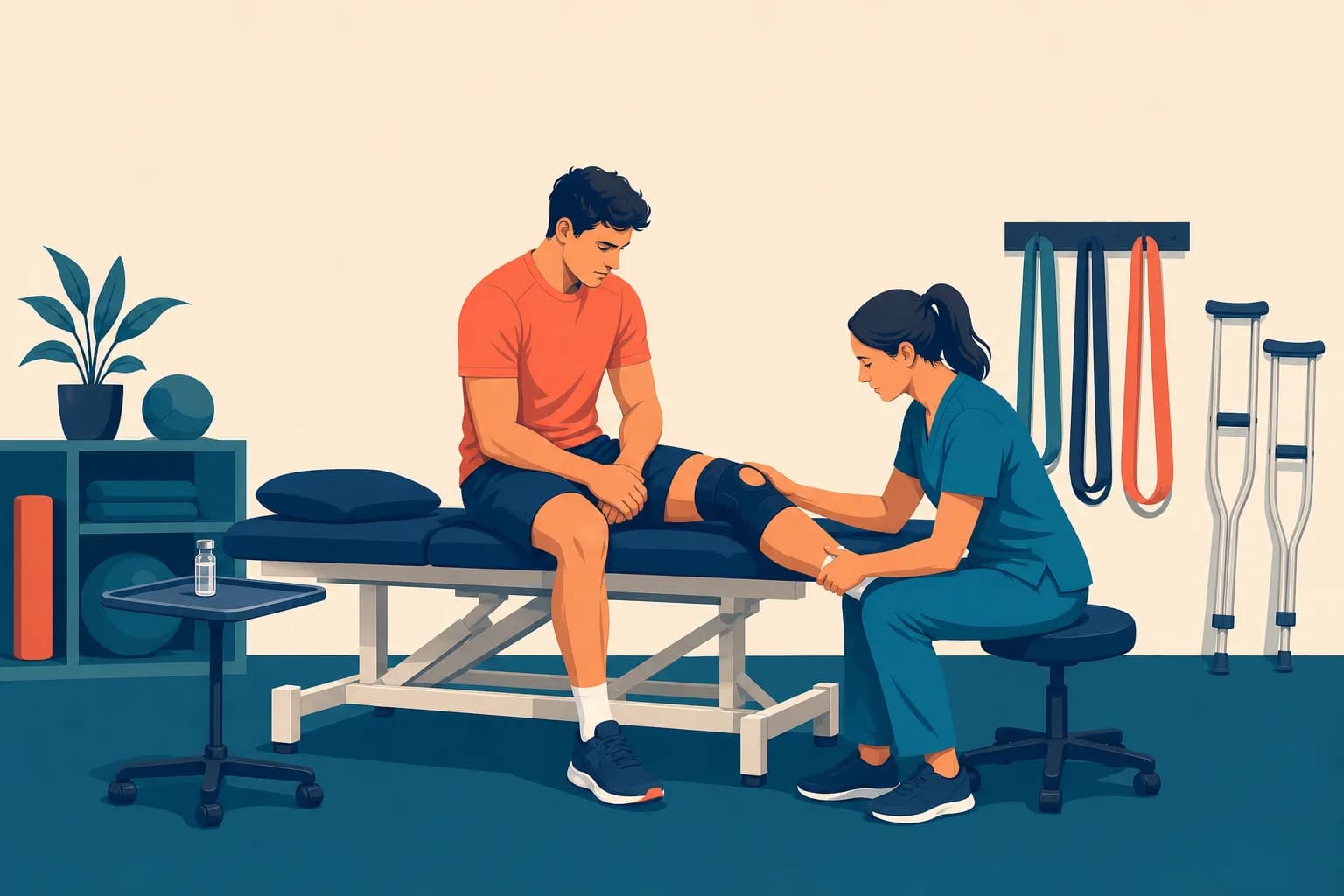
BPC-157 and recovery from injuries: faster healing in humans has not yet been proven

Does BPC-157 Speed Up Injury Healing? What We Know

After a report about unwanted symptoms, BPC-157 is once again being discussed as an injury treatment. But there’s a wide gap between a tendon healing in an animal and a person returning to training.

⋄6 min read
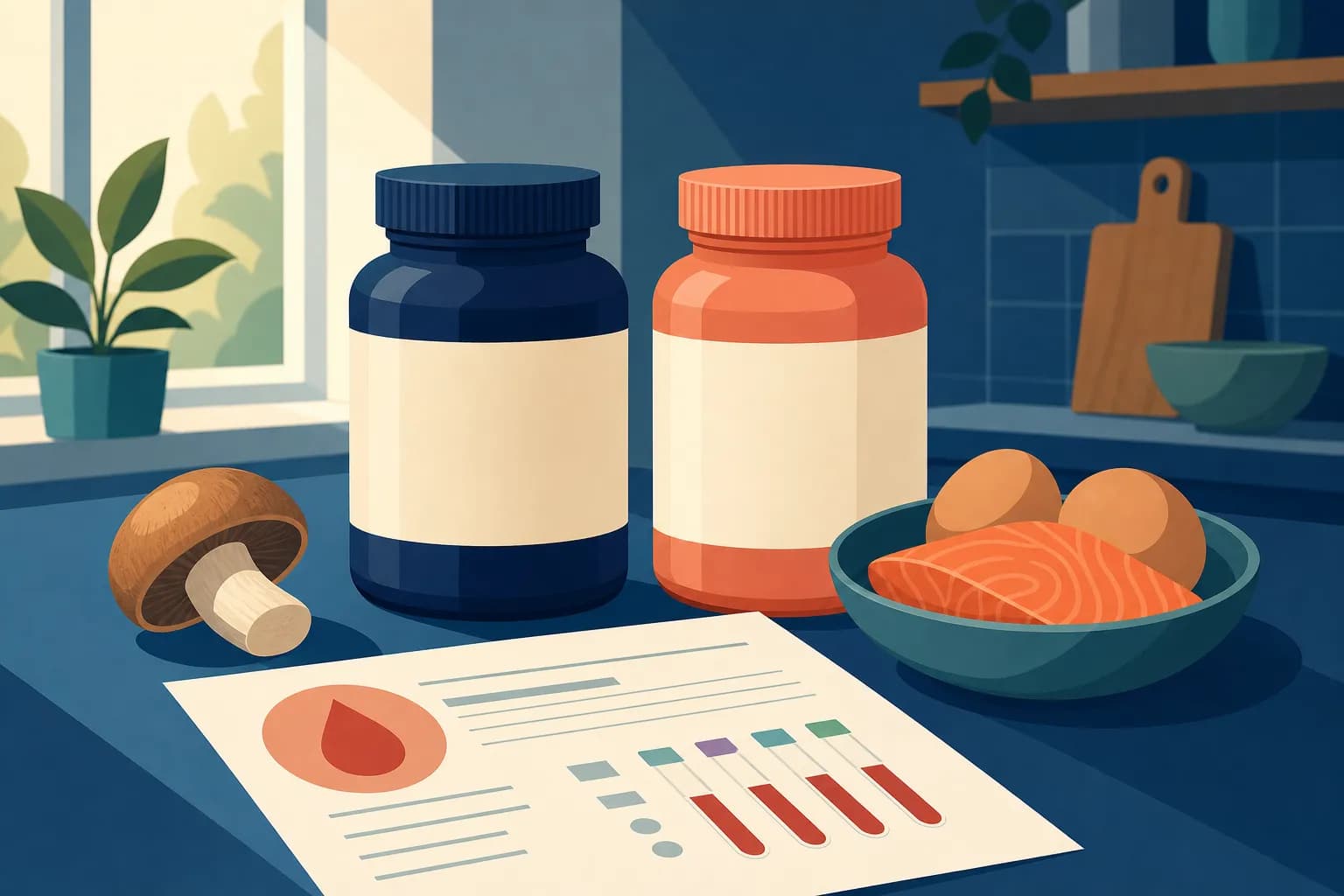
How to choose between vitamins D2 and D3 based on 25(OH)D test results and dosage

Should You Switch from Vitamin D2 to D3? What Does the Research Say?

The label lists two forms of the same vitamin: D2 and D3. We explain why D3 tends to support levels for longer, when D2 makes sense, and who shouldn’t change their regimen without testing.

⋄8 min read
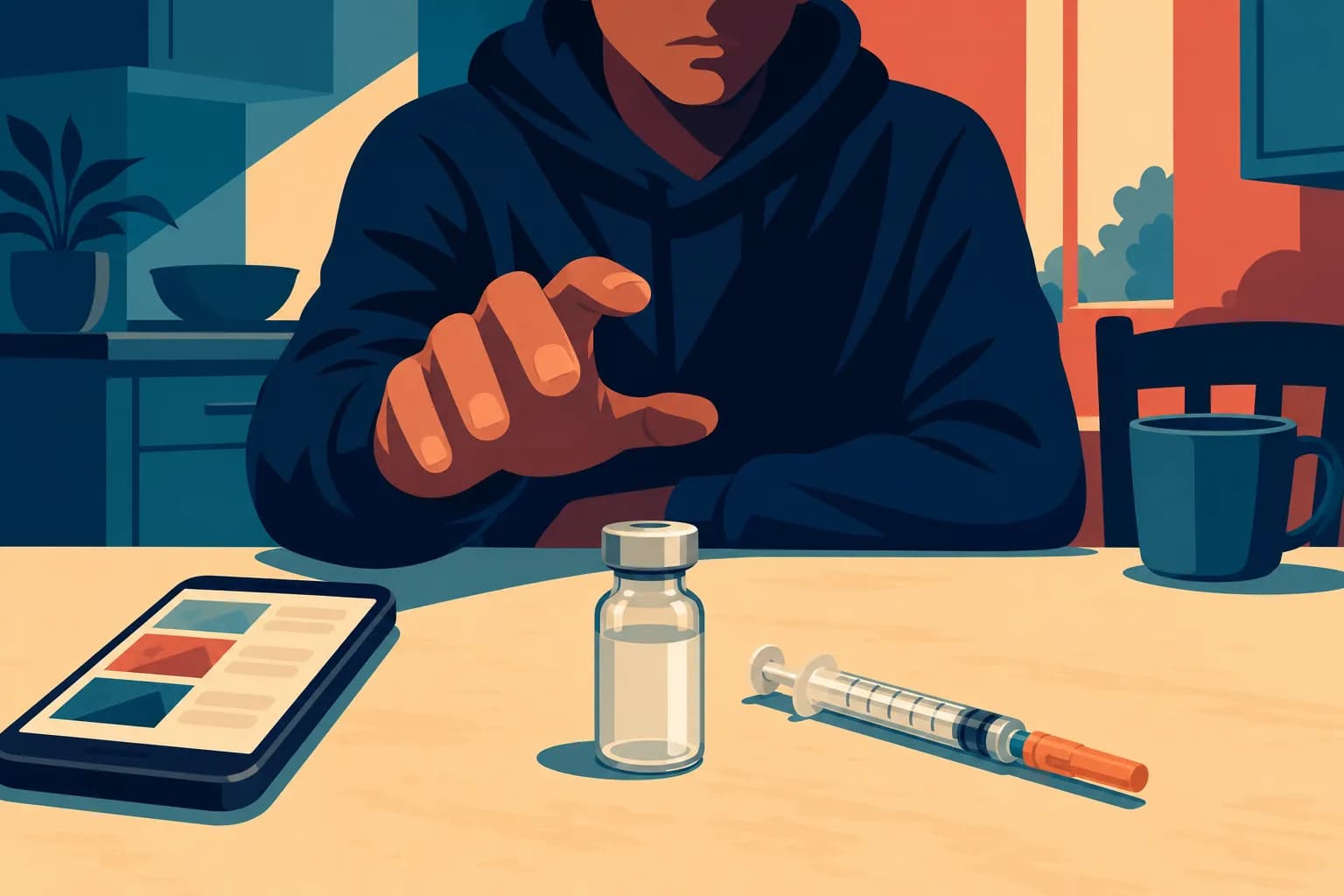
Black-market retatrutide

Retatrutide — a breakthrough for weight loss or a risk to life?

Vials labeled retatrutide are being sold before the drug is approved. Two reports of deaths do not yet establish a causal link—but there are other reasons to avoid buying it through social media.

⋄7 min read
A full-body MRI without symptoms does not replace a personalized prevention plan

Is a Full-Body MRI Necessary When There Are No Symptoms?

A full-body MRI promises peace of mind and control, but in a healthy person it more often triggers a search for incidental findings. We explain who may need it and what alternatives are available.

⋄8 min read
Melatonin for chronic insomnia: how to assess the benefits and risks of daily use

Can You Take Melatonin Every Day? What Is Known About the Risks

Melatonin may seem like a harmless supplement, but taking it for months requires a closer look. We examine the signal of a risk of heart failure and outline a plan for chronic insomnia.

⋄9 min read
Peppermint oil cannot replace prescribed treatment for arterial hypertension

Can Peppermint Oil Lower Blood Pressure? A Review of a 20-Day Study

Peppermint oil has been linked to lower blood pressure after a short study. We explain why 20 days of observation are no reason to stop taking your prescribed medication.

⋄7 min read
Lp(a) testing to assess inherited cardiovascular risk

Why Lipoprotein Lp(a) Is Worth Checking at Least Once

High lipoprotein(a) is often inherited and can go unnoticed for years. We explain who needs the test and why exercise and supplements do not change its level.

⋄7 min read
Peptides: the truth behind the hype

Peptides: the Truth Behind the Hype

We break down the peptide boom. What is supported by science, what is FDA-approved, and what is sold online as a “medical revolution”

⋄9 min read
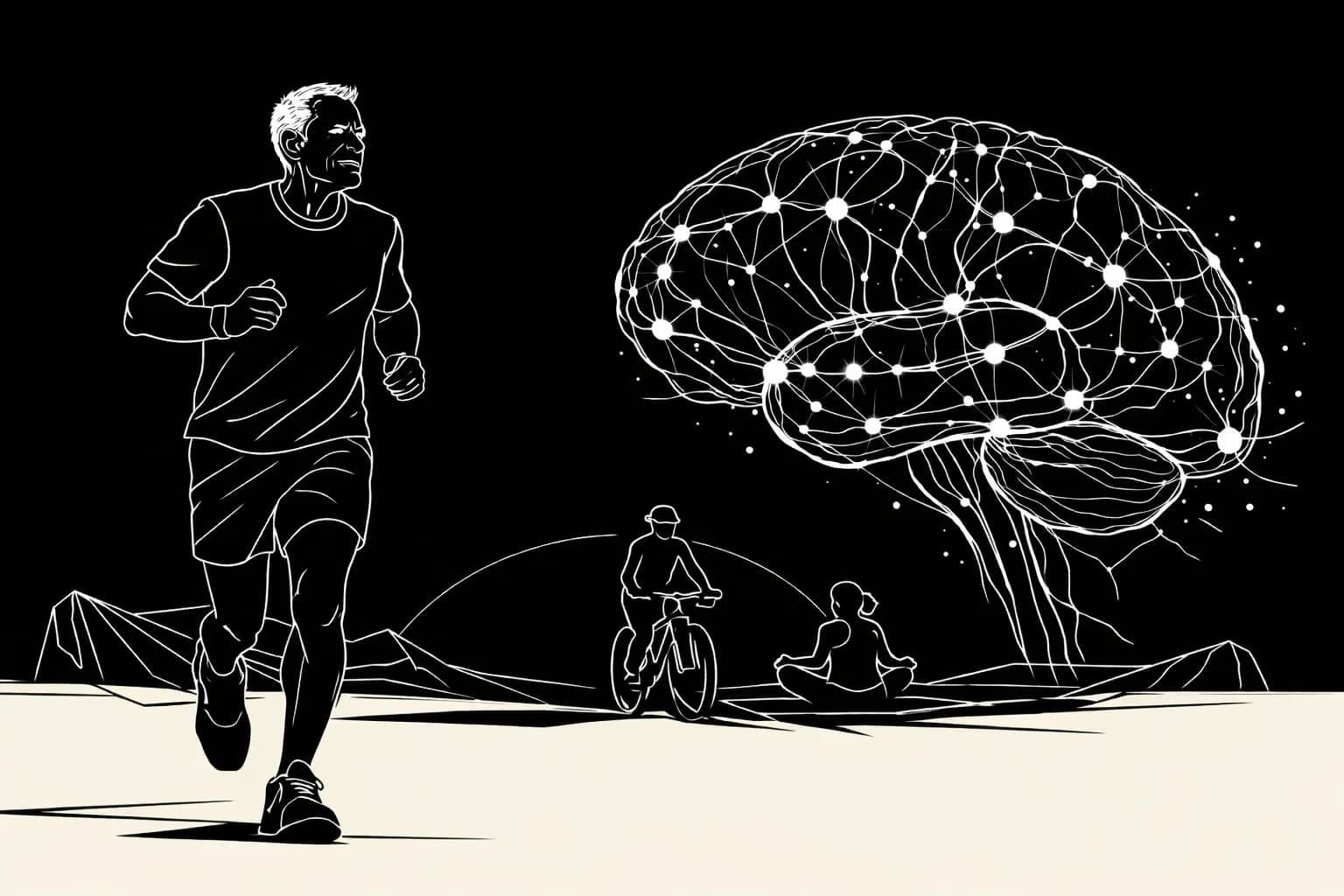
Bredesen Protocol: Can Cognitive Decline Be Reversed?

Bredesen Protocol: Can Cognitive Decline Be Reversed?

When a doctor says "MCI, nothing critical," the anxiety still doesn't go away: memory is who you are. The Bredesen protocol boldly proposes not an "Alzheimer's pill," but the search for 36 holes in the brain's "roof" — and an attempt to patch each one.

⋄4 min read

Biohacking

Biohacking is a field where loud headlines run especially far ahead of the evidence. Here we look at what stands behind the latest protocol: whether human studies exist, how large the sample was, who funded the work and what regulators actually say.

The material covers peptides and which of them are genuinely approved, the epigenetics of ageing and cellular "noise", supplements and the tests sold as personalisation. This section is not about rejecting the new, but about the order of questions: data first, protocol second. Nothing written here is medical advice — decisions about taking anything belong to a doctor.
Stay Inspired

Weekly tips on lifestyle, mindset, spirituality & wellness — straight to your inbox.