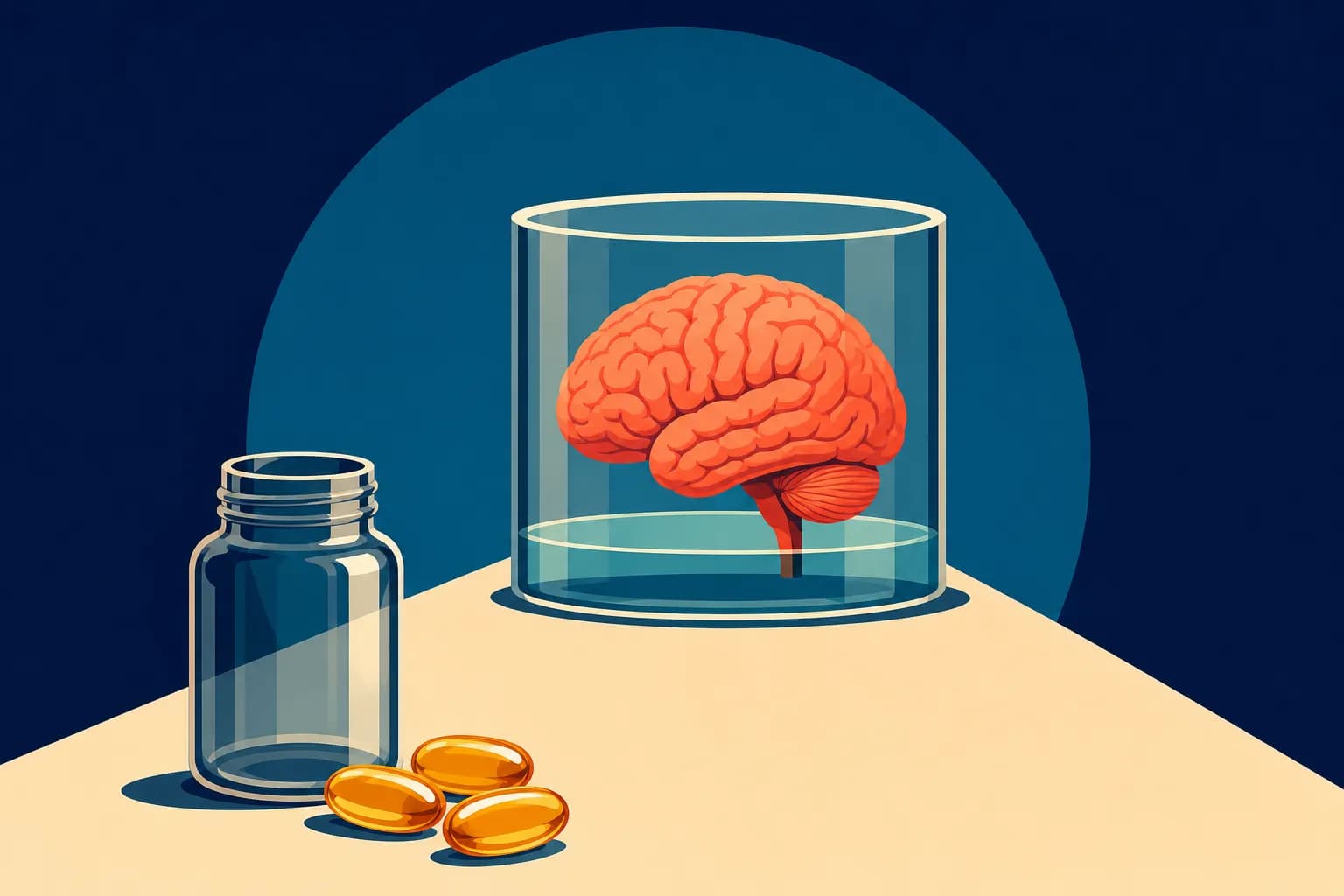
Omega-3 for Memory: Results of a Two-Year DHA Trial
In a two-year trial, DHA levels in cerebrospinal fluid increased, but memory did not improve. We explain why absorbing a supplement does not necessarily benefit the brain.

⋄5 min read
In a two-year trial, DHA levels in cerebrospinal fluid increased, but memory did not improve. We explain why absorbing a supplement does not necessarily benefit the brain.
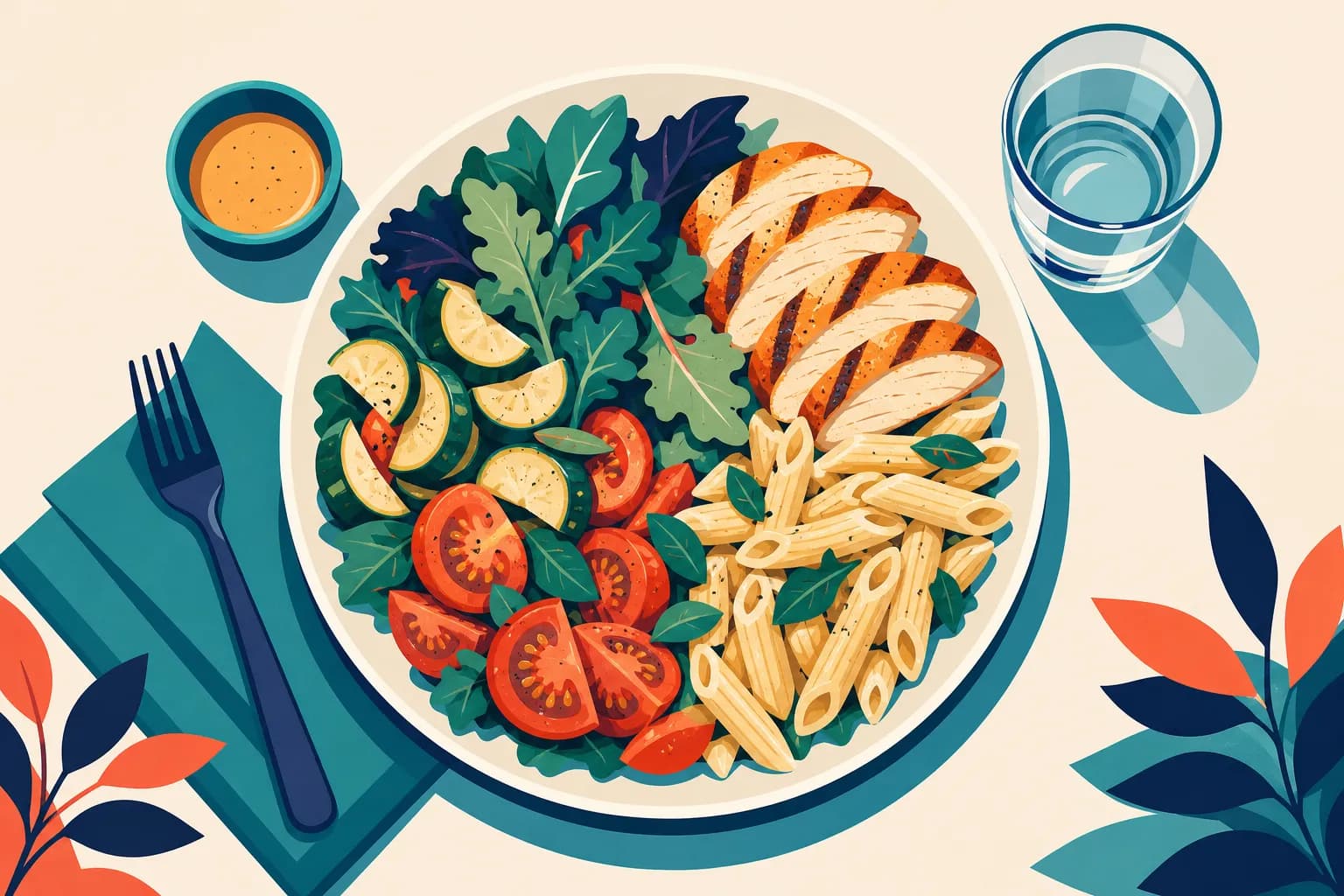
A larger portion can contain fewer calories, but it doesn’t necessarily keep you full for longer. We explore the volume eating trend through research on salads, soup, apples, and weight loss.

Does Diet Coke make it harder to lose weight, or can it replace some of your water? In a two-year study, beverages with sweeteners were no less effective than water for weight loss—but a sugar-free can doesn’t cancel out the habit of having a snack with it.

Antibiotics can leave a mark on the microbiome for months, but the picture is more complicated with antidepressants and blood pressure medications. We examine the evidence without urging anyone to stop treatment.

Spirulina may contain compounds resembling B12, but they are often useless to humans. We explain why green powder does not replace a proven supplement.

An alarming headline about “dangerous toxins” in plant-based meat sounds convincing. We examine what the detection of a mycotoxin means, where the real risk begins, and how to choose products.

On keto, triglycerides fall in some people while LDL skyrockets in others within a few weeks. Here’s who especially needs to monitor their lab results and why feeling well is not enough.

Gut bacteria produce butyrate when they receive the right types of fiber. We explain where to start, which foods to choose, and how to avoid bloating.

Sugar and sweeteners taste equally sweet on the tongue, but affect glucose, hormones, and hunger differently. We explain why you sometimes want dessert after a zero-sugar drink.
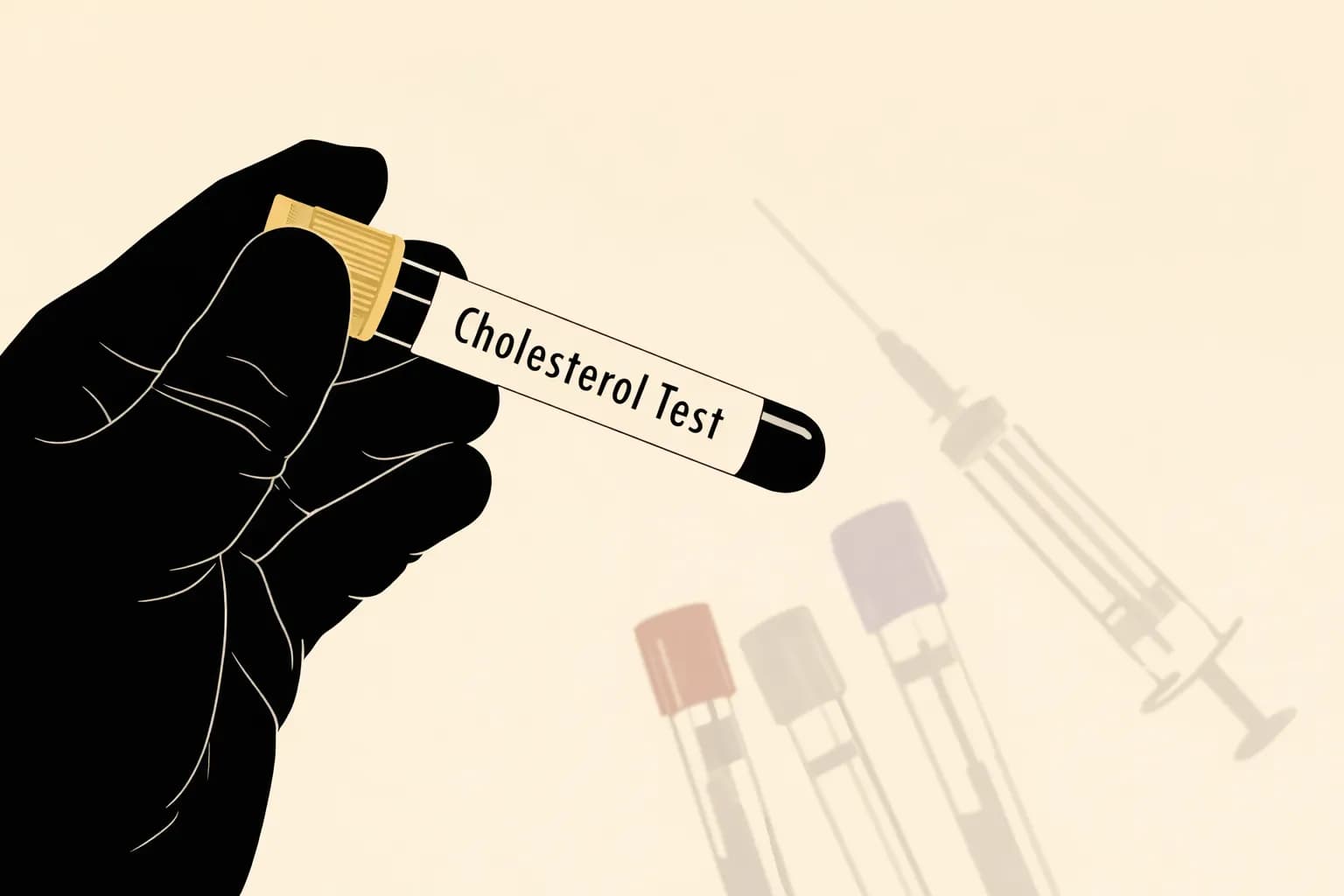
Why did the "cholesterol" guidance suddenly become guidance on dyslipidemia — and what does this change mean for your lab results personally? We provide an extensive review and comparison with the 2018 recommendations

A morning cup of coffee can not only wake you up but also save the heart. A new large study found a link between the time of coffee consumption and the risk of disease. What does the morning ritual hide?

A mirror can become an enemy that controls your life? A person sees not their body, but an distorted version of themselves and becomes obsessed with food and weight; ED is a serious brain illness requiring understanding and treatment.
Nutrition is a field where advice changes every season while the basics have stayed the same for decades. This section is built to separate the two: what large studies support and what rests on popular retelling.
Here you will find material on how diet relates to wellbeing and skin, on methods like fiber first and what stands behind them, on eating disorders and the signs that call for a specialist. We do not design diets or prescribe regimes: individual decisions are made with a doctor, and the job of these texts is to give you the grounding that makes such a conversation concrete.
Weekly tips on lifestyle, mindset, spirituality & wellness — straight to your inbox.