When nutrition advice conflicts, the promise of returning to “natural” foods can sound convincing. That is the approach described in Sophie Hegney’s report on dark nutrition.
There is no single diet or approved protocol behind this label. But some of the practices it describes share a common problem: a product’s “natural” reputation takes the place of assessing its safety. Raw milk, liver, and a diet consisting almost exclusively of animal products show why these are not the same thing.
What is meant by “dark nutrition”
This media label brings together a range of practices that are not always compatible and can sometimes contradict one another: eating raw animal products, restrictive diets, and experimenting with food on one’s own. It is not a medical term or the name of an approach with proven effectiveness.
In a commentary published on October 23, ConscienHealth offers one explanation for its appeal: amid uncertainty in nutrition science, confident, simple answers may inspire more trust than cautious expert recommendations. This is the author’s interpretation, not an established motive shared by all those who follow these practices.
The logic of personal experimentation is understandable: someone changes their diet, observes how they feel, and decides whether the approach suits them. Such observations can be useful, but they have limits. If alcohol, frequent snacking, and several food groups are all eliminated at once, it is difficult to identify what caused an improvement. And feeling no immediate discomfort after eating says nothing about a long-term rise in cholesterol or the safety of the next serving of raw milk.
Raw milk: what pasteurization changes
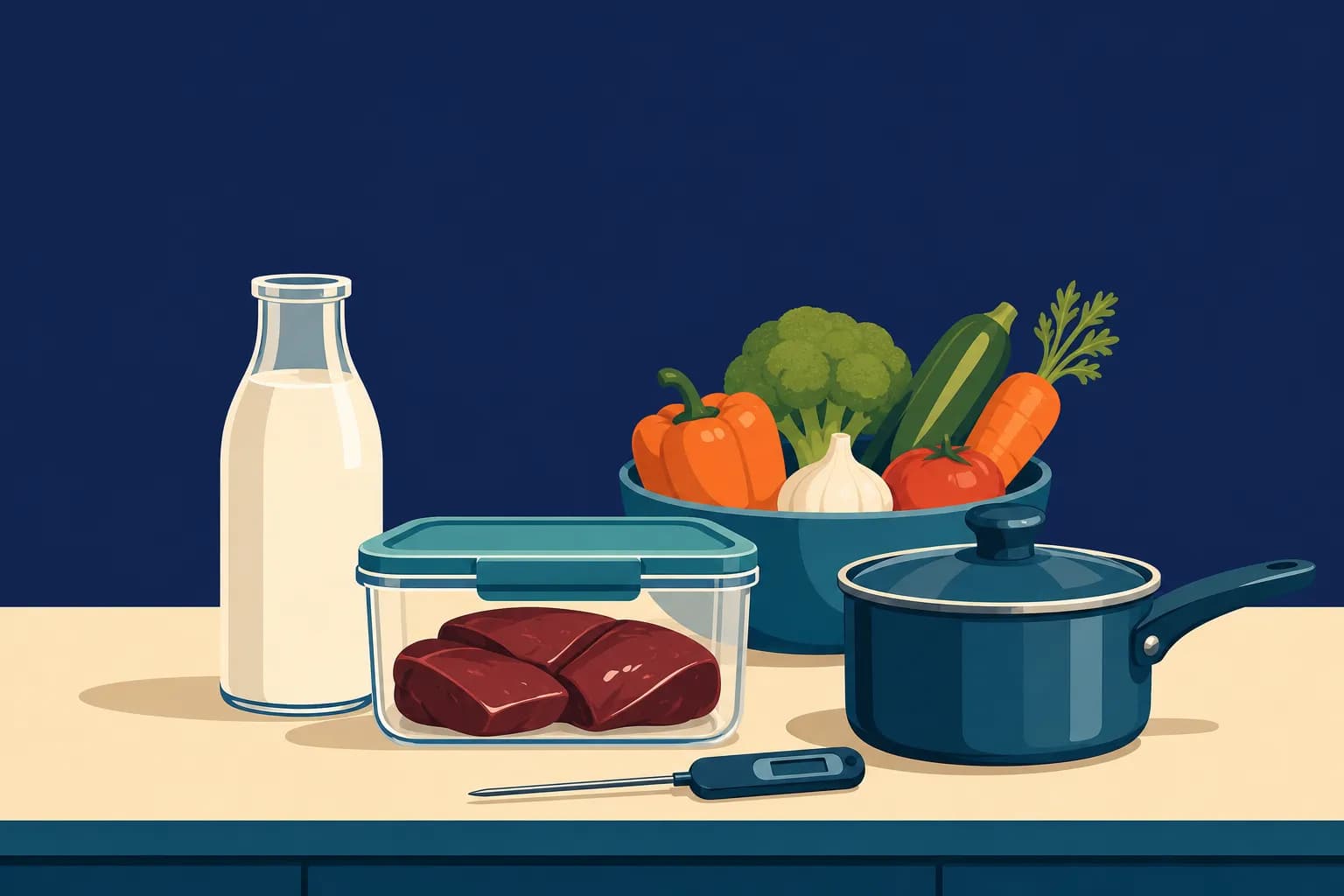
Milk can contain disease-causing bacteria regardless of how carefully the farmer looks after the animals. Contamination can occur during collection and subsequent handling of the product. Pasteurization reduces this risk by heating the milk: according to an FDA review, it effectively destroys pathogens without significantly affecting milk’s nutritional value.
The consequences of skipping this step are well documented. In July 2025, the CDC published an investigation of a salmonellosis outbreak linked to commercially distributed raw milk. In California and four other states, 171 cases of infection were reported. Twenty-two people were hospitalized, including 18 children and teenagers under the age of 18.
The link to the product was supported by the detection of a genetically matching bacterial strain. These figures do not let us calculate the risk from one glass, but they show that this is about real illnesses, not just a theoretical danger.
Here, processing serves a specific protective function. The words “farm-fresh,” “fresh,” and “natural” do not replace the step that destroys pathogens.
Liver and vitamin A: why the dose matters
Another safety concern has to do with the amount of nutrients consumed. Liver is rich in preformed vitamin A, which is needed for vision, immune function, and other processes. However, too much of this fat-soluble vitamin can be toxic.
According to the U.S. National Institutes of Health fact sheet, about 85 grams of fried beef liver contains approximately 6,600 micrograms of vitamin A in retinol activity equivalents. The tolerable upper intake level for preformed vitamin A in adults is 3,000 micrograms per day from food and supplements combined.
Exceeding this level in one meal does not mean poisoning is inevitable. The dose, frequency, and duration of consumption all matter. Regularly eating large portions of liver, especially alongside retinol supplements, warrants particular attention.
The example above involves cooked liver. In other words, this risk is related to nutrient concentration, not eating a raw product. Cooking and moderation address different concerns.
The carnivore diet: what we know about benefits and risks
The carnivore diet consists predominantly or exclusively of animal products. It does not necessarily involve raw meat: the foods included in the diet and how they are prepared need to be assessed separately.
A scoping review published in Nutrients on January 21, 2026 included nine studies of the carnivore diet in humans. This type of review describes the available evidence but does not provide a combined estimate of effectiveness, as a meta-analysis would. The authors note that the available studies had small samples, short follow-up periods, and no control groups.
Reported improvements are worth investigating, but they do not yet prove that the diet is superior or safe in the long term. The authors identify potential concerns including inadequate intake of vitamins C and D, calcium, magnesium, iodine, and dietary fiber, as well as elevated LDL and total cholesterol.
This does not mean that everyone following such a diet already has deficiencies. But the more food groups are excluded, the more carefully nutritional adequacy needs to be checked. There is not yet enough evidence to show that avoiding plant foods in itself makes a diet healthier.
How to assess the safety of natural foods
Instead of asking the general question “How natural is it?”, it is more useful to ask three specific ones:
Could the food contain pathogens, and what step in preparation reduces that risk?
Is the amount chosen safe, taking into account how often it is consumed and any dietary supplements?
Does the diet remain nutritionally adequate after entire food groups are excluded?
This logic applies to both animal and plant foods. For example, the question of mycotoxins in plant-based meat also calls for an assessment of the specific hazard, rather than an attitude toward an entire category of foods.
Uncertainty about the optimal diet does not negate what we know about foodborne infections. We can discuss which eating pattern suits a particular person best while also taking into account the well-established benefits of pasteurization. These conclusions require different kinds of evidence, and our level of confidence in them varies.
Can you tell whether a raw food is safe by its smell?
No. Disease-causing microorganisms may be present in food without any noticeable change in its smell, taste, or appearance. Checking whether it “seems fresh” is no substitute for safe preparation and storage.
Who is especially vulnerable to infections from raw animal foods?
Children, pregnant people, older adults, and people with weakened immune systems. They are more likely to develop severe foodborne illnesses, so avoiding raw milk and undercooked animal products is especially important.
Does this mean all raw foods should be avoided?
No. Risks differ from one food to another: raw milk and a washed apple should not be assessed in the same way. Vegetables and fruit can also become contaminated, so wash them under running water and store them separately from raw meat; washing, however, does not guarantee that all pathogens will be removed.