Every November, thousands of men around the world voluntarily abstain from sex and masturbation with one goal: to make it 30 days without ejaculating. The internet challenge No Nut November (NNN), which began as a joke, has become a popular experiment with one’s own body. Its supporters claim that a month of abstinence can raise testosterone, improve concentration, boost energy, and even increase self-confidence.
The promise of naturally increasing the level of the main male sex hormone–without medication, supplements, or complicated training programs–is especially appealing. But can abstaining from ejaculation really change your hormonal balance?
Current scientific evidence does not confirm that prolonged sexual abstinence leads to a sustained increase in testosterone. Some small studies have found short-term hormonal fluctuations, but there is no convincing evidence of a long-term effect. We look at what happens in the body during a month of abstinence, where the No Nut November trend came from, and which of its promised benefits are scientifically supported.
What No Nut November involves
No Nut November is usually described as abstaining from ejaculation for the entire month of November. This is why it’s often called “No Masturbation November,” although the terms are not exactly the same: ejaculation can also occur during sex with a partner.
The idea emerged around 2011, when the first mentions of it began appearing on the Urban Dictionary website. By 2017, the challenge had become a major viral meme and an internet culture phenomenon, spreading widely through online communities, especially Reddit.
Challenge participants aim to make it 30 days without ejaculating. There are different levels of difficulty, from Hard Mode, which involves completely abstaining from sexual activity, pornography, and intentional sexual stimulation, to Normal and Casual modes, which allow certain forms of sexual activity, including sex with a partner or masturbation without pornography. Involuntary nocturnal emissions do not count as breaking the rules and do not end the period of abstinence.
The promise of increased testosterone implies a specific result: after a period of abstinence, hormone levels should remain above their usual range. One favorable test result or the feeling that workouts have become easier is not enough to confirm such an effect.
What research has found about abstinence and testosterone
One of the most widely cited figures in discussions of abstinence comes from a 2003 study by Ming Jiang and colleagues. Among 28 volunteers, the authors reported a testosterone peak on the seventh day: about 46% above baseline. Even the original report described a peak, not elevated hormone levels throughout the month.
There is another study worth noting. In a study by Michael S. Exton and colleagues, published in November 2001, ten healthy men took part in laboratory sessions before and after three weeks of sexual abstinence. Testosterone levels were higher after the break. However, orgasm induced by masturbation did not change plasma testosterone levels.
This is an interesting observation, but ten participants and a comparison between two sessions are not enough to establish a lasting effect during or after a month. The study also does not support claims of increased energy, improved health, or faster muscle growth.
A later pilot study by Eduard Isenmann and colleagues, published on December 23, 2021, in Basic and Clinical Andrology, examined short-term responses to sexual stimulation. The eight men who completed the study took part in three conditions: masturbation with visual stimulation, visual stimulation alone, and passive control.
With both masturbation and viewing arousing material, the usual daytime decline in free testosterone was less pronounced than in the control condition. This result does not answer the question of what happens during a month of abstinence, but it does show why the idea that “ejaculation lowers testosterone, and abstaining from it raises it” is too simplistic. The authors also noted limitations, including the small sample size and the measurement of free and total testosterone in different biological samples.
Why feeling more energetic doesn’t measure testosterone
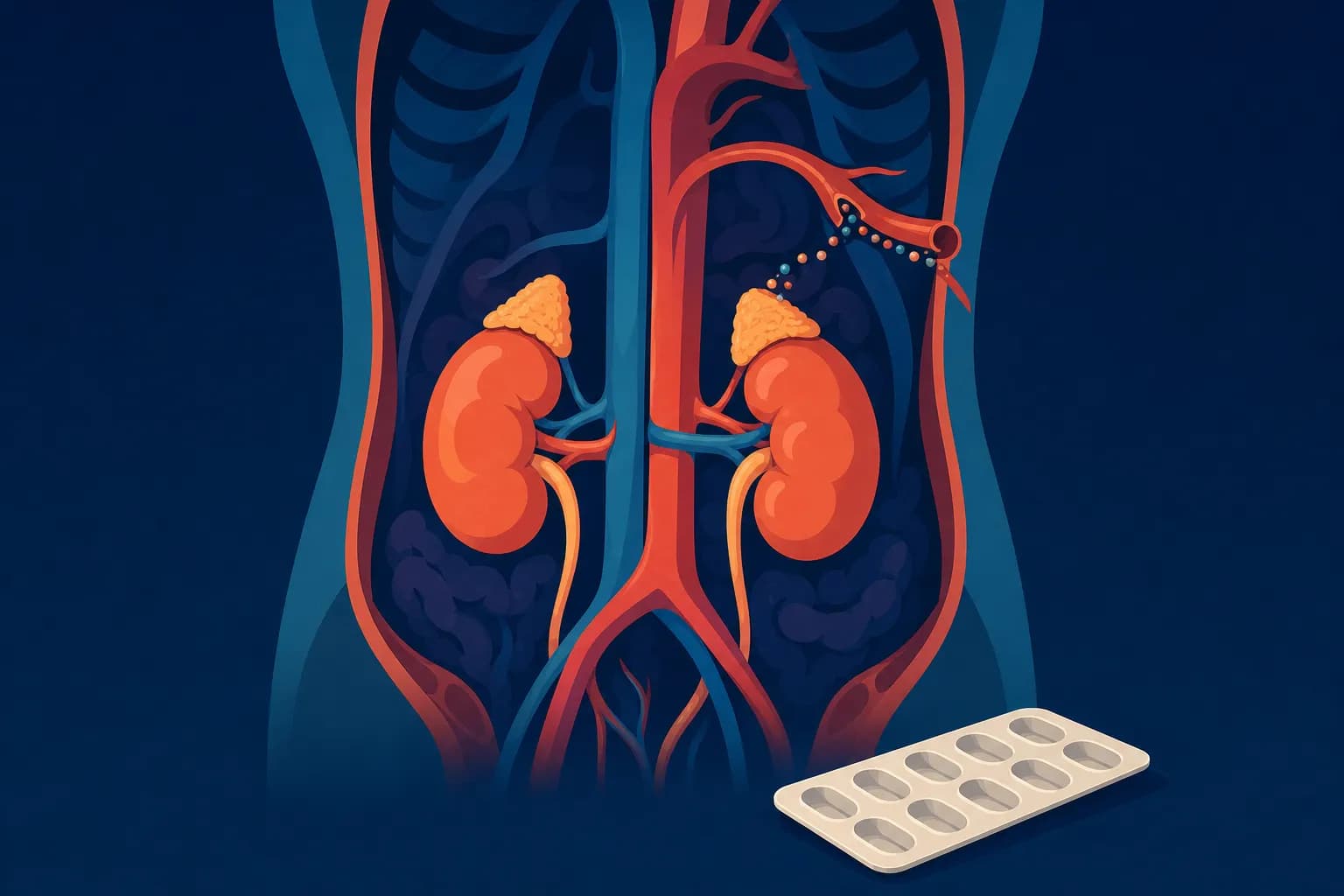
Testosterone does not build up in the body like saved-up semen. Its production is regulated by signals between the hypothalamus, pituitary gland, and testes. The pituitary gland releases luteinizing hormone, which stimulates testosterone production in the testes; feedback mechanisms help regulate this process. Losing seminal fluid does not, by itself, mean that the body’s hormone supply is being depleted.
Testosterone levels fluctuate throughout the day and from one day to the next. So two tests taken at different times and under different circumstances may yield different results without any lasting change in hormonal balance.
Well-being depends on an even greater number of factors. For example, someone taking part in the challenge might also stop watching pornography before bed and start going to bed earlier. In that case, changes in sleep and routine could explain feeling more energetic. Expecting to benefit or feeling satisfied with following through on a personal decision may also influence how someone evaluates their state of well-being.
These are possible explanations, not established causes of improvement among No Nut November participants: the studies discussed here did not assess their contribution. If someone feels better, their experience deserves attention. But that feeling alone cannot establish whether testosterone changed or what exactly helped.
Is it worth taking part for the hormonal effect?
There is no basis for treating No Nut November as a proven way to sustainably raise testosterone. Taking a voluntary break can be a personal choice, but scientific evidence does not support prescribing a universal “hormonal dose” of seven days, three weeks, or an entire month.
If persistent low libido or pronounced fatigue is what prompted someone to take part, the challenge is no substitute for investigating the cause. These changes can have many possible explanations and do not, by themselves, confirm testosterone deficiency.
According to the Endocrine Society’s clinical practice guidelines, diagnosing testosterone deficiency requires compatible symptoms and unequivocally and consistently low laboratory results. To confirm the diagnosis, total testosterone is measured after fasting on two separate mornings.
This is a fundamental difference between a personal experiment and a medical assessment. Taking a break from a familiar behavior may help you notice how your day is structured. To link any changes to a hormone, measurements need to be taken under comparable conditions; to claim a health benefit, evidence about health outcomes is needed as well.
Do I need to get my testosterone tested before taking part in No Nut November?
The decision to take part does not, by itself, mean you need a test. If you have persistent symptoms, discuss an evaluation with your doctor. A single test before the challenge and another afterward cannot reliably diagnose hormone deficiency or prove an effect of abstinence.
Can these findings be applied to giving up pornography?
Not directly: giving up pornography and abstaining from ejaculation are different behavioral changes. The study of sexual stimulation also does not establish how long-term abstinence from pornography affects baseline testosterone levels.
Have scientists studied No Nut November itself?
Yes, but the available study assessed sexual well-being, not hormones. In a 2025 study by Melody Garas and colleagues, 435 people completed an online survey before the challenge and 114 completed one afterward. The main finding was that temporary sexual abstinence as part of No Nut November did not lead to a statistically significant improvement or decline in participants’ sexual well-being.