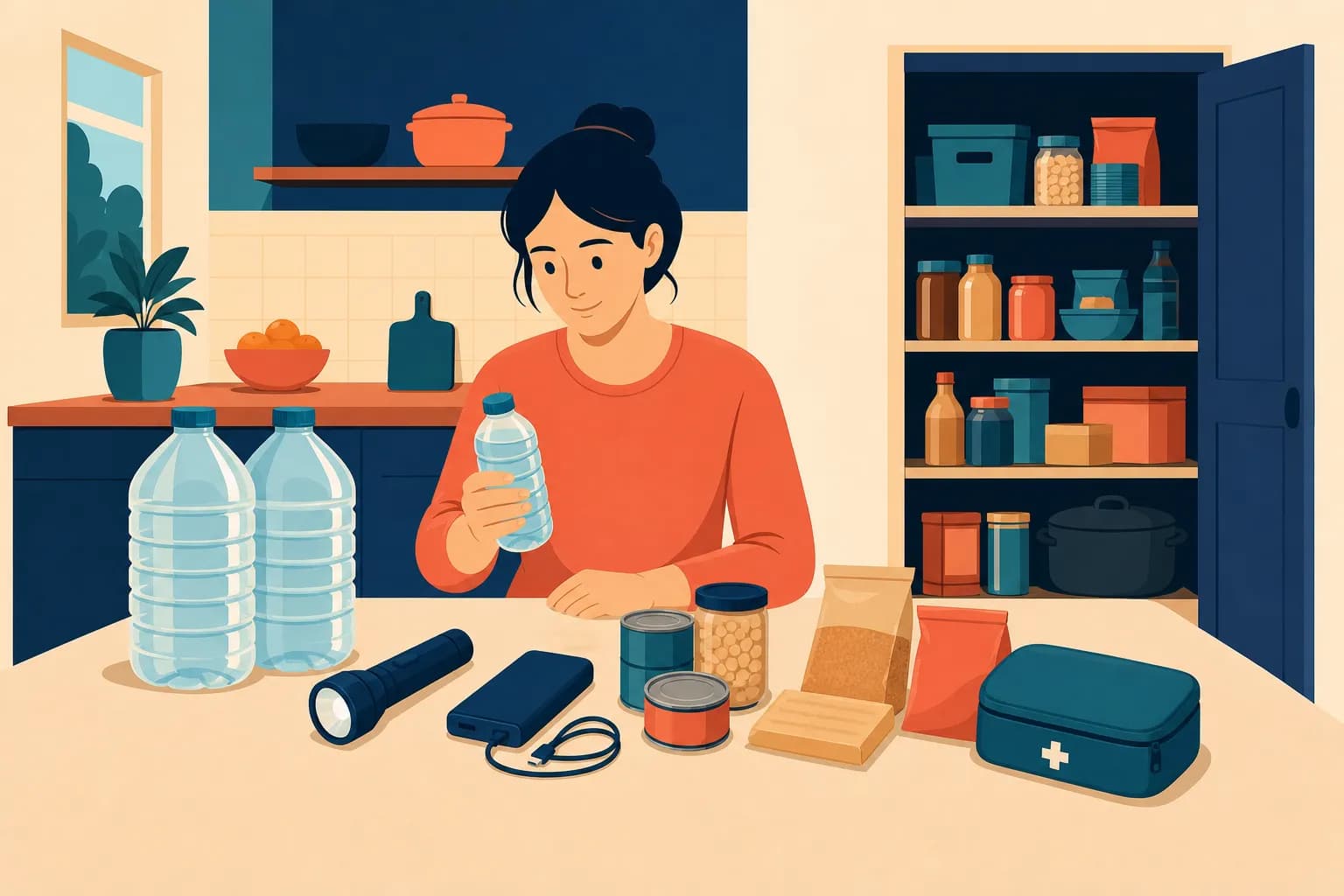
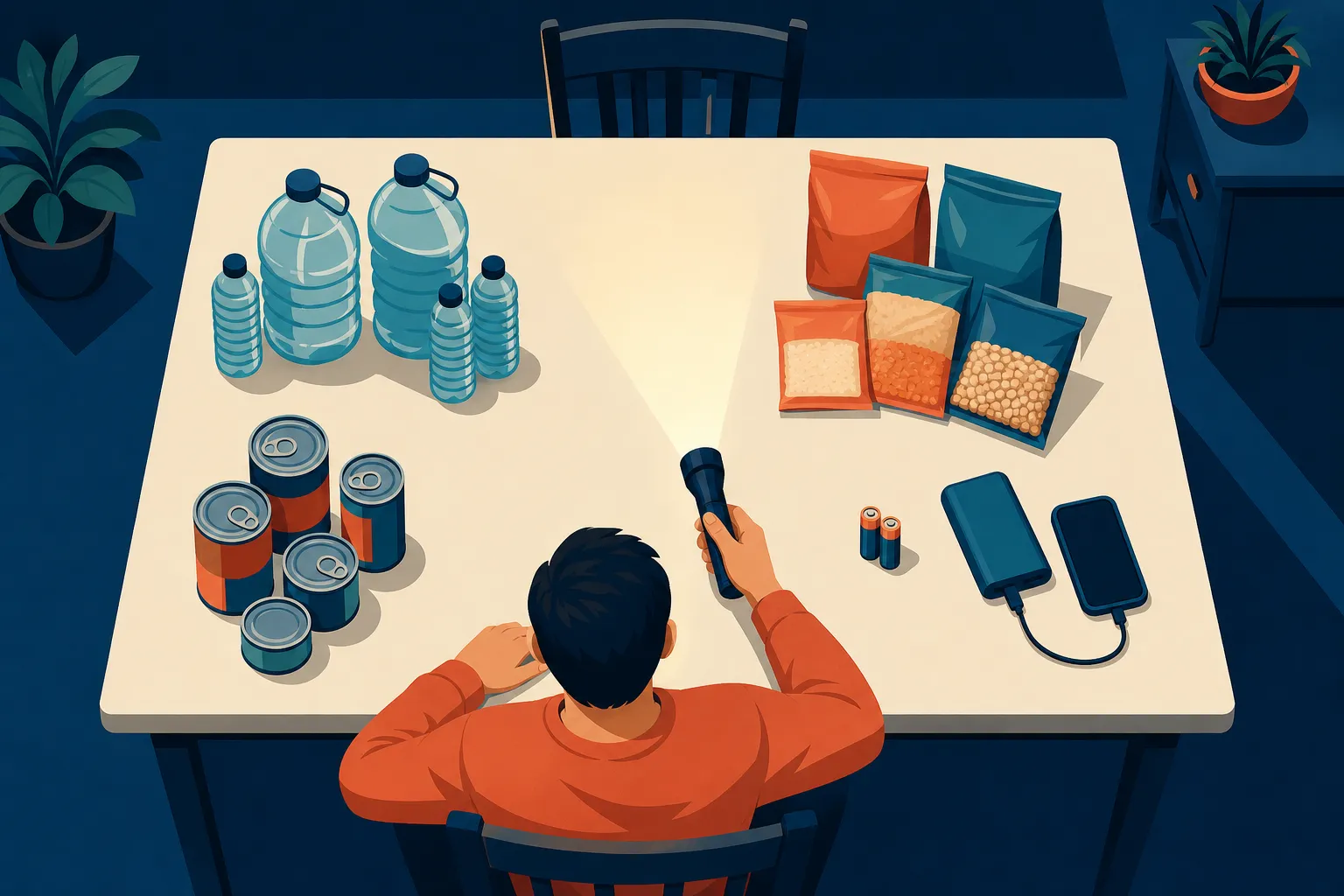
A power outage can catch even those who are used to disruptions off guard. A dead phone, no running water, a refrigerator that stops working, and no way to prepare a hot meal can quickly turn everyday life into a series of problems. At the same time, preparing for a blackout is often associated with expensive power stations, generators, and long lists of supplies that not every family can afford.
But preparing for an emergency does not necessarily require a lot of spending. The UK government’s Be Ready campaign suggests starting with the basics: check what you already have at home, work out what you’re actually missing, and gradually buy what you need within your regular budget.
The goal is not to put together a perfect emergency kit, but to meet your family’s basic needs in the event of a power outage. Here’s how to prepare for a blackout at minimal cost, which items are truly essential, and where you can save without compromising safety.
First, check what you already have at home
Make a short list of the effects an outage could have in your home. Will the lights go out, or will you also lose water and heating and be unable to cook? Will the intercom work, and can you get out without using the elevator? Is there anyone who relies on an electric medical device?
Then check the supplies you already have. A flashlight may be in a drawer, but its batteries might be dead; a power bank may be out of charge, and canned food may be impossible to open without an electric can opener. This check is more useful than buying a second item you already own.
Check flashlights, batteries, charging cables, and power banks.
Count your safe drinking water and clean containers suitable for storing it.
Set aside foods that can be safely eaten without refrigeration or cooking.
Check how much of your essential medication you have left, its expiration date, and storage requirements.
Write down anything you’re missing in a separate column. This is the approach recommended by the Be Ready campaign. It also advises preparing a paper list of important phone numbers and agreeing on who will check on a loved one or neighbor who may need help if communication is lost.
Choose a meeting place and someone outside your household to contact in advance. Save important addresses offline and on paper. These steps don’t require buying any equipment.
How to calculate your water and medication supplies
Priorities depend on the consequences of going without something. If someone relies on a particular medication or medical nutrition, these may be more important than an extra flashlight. If the water supply in your home stops as soon as the power goes out, storing water becomes especially urgent.
Water: calculate by person and by day
A guideline for drinking water is 3 liters per adult per day, including fluids from food, for at least 72 hours. For three adults over three days, that means a 27-liter drinking water supply.
This is not the total amount of water you’ll need. You’ll need to calculate separately for hygiene, cooking, and other household tasks. You also need to account for the needs of infants and pets rather than assuming the adult guideline will cover them.
If bottled water is too expensive, you can fill clean, food-safe containers with safe drinking water ahead of time, seal them tightly, and store them away from sunlight and sources of contamination. Containers previously used for household chemicals are not suitable, even after washing. Label utility water and keep it separate: clear water is not necessarily safe to drink.
If you can’t store the full amount right away, start with what you can manage and note how much more you need. At the same time, find out where you could get safe water. Being able to replenish your supply is helpful, but you can’t count on it during a widespread outage.
Medication: start with individual needs
First, check the medications that members of your household take regularly. Ask your doctor or pharmacist how much you can safely keep on hand and how to replenish and store it. Don’t reduce doses or change treatment schedules to make your supply last longer.
If a medication needs to be refrigerated or someone uses an electric medical device, you’ll need a separate plan. The American Red Cross recommends discussing outages with your doctor or equipment provider in advance. General food storage guidelines don’t apply here: check the requirements for each specific medication separately.
How to prepare for lighting and communication
A working flashlight is usually more useful for moving around your home than a set of decorative candles. Be Ready specifically notes that flashlights are safer than candles. First, check the one you already have, then work out what’s missing: batteries, a charger, or another light source for someone who can’t use the one you share.
A headlamp keeps your hands free, but there’s no need to replace a working handheld flashlight just for emergency preparedness. Put your light somewhere you can find it in the dark, and show everyone in your household where it is. Some battery-powered lamps respond to movement. They can be a convenient way to light a room during extended outages.
For communication, check your power bank with the cable you need. Making sure it actually charges your phone is more important than relying on the number printed on its casing. Turn on power-saving mode and limit nonessential phone use if you don’t have a way to recharge it yet.
Ready Scotland includes backup chargers and power banks in its home emergency kit, with the contents tailored to each family’s needs. A power station isn’t a must-buy just because it appears on a commercial checklist, though it may be worth considering for prolonged power outages. First, work out which device you need to power and for how long. If the equipment is essential to someone’s health, discuss this calculation with a specialist.
Checking what you already have helps you work out what you really need to buy and avoid duplicate purchases.
What food to store and what to do about your refrigerator
Build your supply around familiar foods that keep well at room temperature and are ready to eat. Be Ready’s recommendations include canned meat, fish, and vegetables, as well as nuts and dried fruit. Choose foods based on your family’s diet, allergies, and medical restrictions.
Don’t build your whole supply around grains and dried beans if you won’t be able to cook them without electricity. A food’s suitability for an emergency supply also depends on how much water, fuel, and cookware it takes to prepare. Check whether cans can be opened by hand, and add a regular can opener if needed.
Buy foods your family actually eats. Put new packages behind older ones, and use foods with the nearest expiration dates in your regular meals before replacing them. This makes your emergency supply part of your everyday diet and reduces the chance of wasting money on food you eventually throw away.
Another challenge during an outage is keeping the food you’ve already bought safe. According to the U.S. Food and Drug Administration (FDA), an unopened refrigerator will stay cold for about four hours. A full freezer will stay cold for about 48 hours, and a half-full one for about 24 hours, as long as you keep the door closed.
These are general guidelines, not a guarantee that every food will remain safe. Note when the outage starts and open the refrigerator as rarely as possible. If you can’t confirm that perishable food has been stored safely, don’t taste it to check: appearance and smell are unreliable, too.
The FDA advises freezing containers of water in advance: ice can help keep food cold for longer. Use containers suitable for freezing and leave room for the water to expand. Once melted, the water can be used for drinking if it was safe to begin with and the container stayed clean.
What order to buy supplies in
There is no scientifically established cheapest shopping list or single correct order for buying supplies. The following is a practical way to spread out costs, based on recommendations from preparedness services. Adapt it to your family’s needs.
Stage
Goal
How to keep costs down
Free check
Find actual gaps in your water, medication, food, lighting, and communication supplies
Use items you already have that are in working order, charge your devices, and make a family plan
First purchase
Address the most dangerous gap
Buy what’s missing for a specific need instead of a preassembled kit with unnecessary items
Next shopping trips
Gradually increase the number of days you can manage
Add familiar food and water in manageable amounts, noting what you still need on your list
Maintaining your supply
Keep your supplies usable
Use food before it expires, replace what you’ve used, and check that devices are charged
For example, if you already have water and your regular medication but your apartment would be left without safe lighting at night, batteries could be your next purchase. If your flashlight works but you don’t have ready-to-eat food, it would be more useful to add foods that can be eaten without a stove. An item’s price alone doesn’t determine its priority.
You can track your progress by days: how many days you’re covered for water, essential medication, and suitable food. This makes it easier to spot an imbalance, such as having plenty of canned food but very little drinking water. A one-day supply is still just an interim step.
A guideline of 3–5 days does not predict how long the next outage will last. Other services recommend preparing for longer periods: for example, the Red Cross recommends keeping at least a two-week supply of food and water at home. Review your chosen timeframe in light of local conditions, available assistance, and your family’s resources.
When your home supplies aren’t enough
Supplies can’t solve the danger of extreme cold or heat, or of essential medical equipment stopping. Find out in advance where you could go, how to get there, and whether it’s accessible to anyone with limited mobility. Check with loved ones or your nearest assistance center rather than relying on the idea of some vague safe place.
Don’t try to make up for a lack of heating with unsafe alternatives. The Red Cross warns against using outdoor generators or burners indoors, or heating your home with a gas stove. Carbon monoxide has no color or smell; opening a window does not make this safe.
If there’s no money left for supplies after essential expenses, more shopping lists won’t solve the problem. A free family plan, reliable contact details for neighbors, and finding out what local assistance is available are still worthwhile. Home preparedness should take your budget into account, as well as the point at which it’s no longer safe to stay at home.
What if there isn’t much room at home for water?
Split your supply among several suitable containers, keeping walkways and exits clear. Store drinking water away from contaminants and sources of heat. If you can’t store the full calculated amount, find out in advance how you could replenish your supply or go to a loved one’s home. Living in a small apartment doesn’t reduce your family’s need for water.
Can I include food that’s close to its expiration date in my supply?
Yes, as long as you’ll use it before it expires and store it as directed. Use these foods in your regular meals first, then replenish your supply. Buying a large discounted batch isn’t a good deal if your family can’t eat it in time. Expired food shouldn’t be the basis of your emergency food supply.
How should I account for an infant and pets?
Make a separate list and calculation for them. Include familiar food, safe water, care supplies, and any necessary medication. Ready Scotland mentions ready-to-feed infant formula as a possible part of an emergency kit; consider separately whether it’s appropriate for your baby and how it needs to be stored. Make sure you have your pets’ usual food and drinking water.
Do I need supplies for several days if outages are usually brief?
Yes. The fact that outages have usually been brief doesn’t guarantee the next one will be the same. Short outages are a chance to check your flashlight, communication plan, and ability to prepare food, but they don’t replace preparation for a longer disruption. Build your supply gradually, following local recommendations and prioritizing your family’s most vulnerable needs.