Chakras and Trauma: What Blocks Each Energy Center Hides
Published on: ⋄6 min read
The body does not lie. It does not speak with words — but with a tremor in the chest, a heaviness in the stomach, an emptiness under the ribs, a sudden pain that seems to come from nowhere. But this is not chance and not weakness. These are echoes of unfinished stories that the nervous system continues to rewrite for years.
Modern neurobiology confirms what body-centered practices have always known: the body stores the memory of what was experienced — especially traumatic experiences. The chakra concept offers a precise and vivid language for describing how emotional wounds settle in specific areas of the body, forming blocks that affect our physical health, behavior, and sense of self in the world.
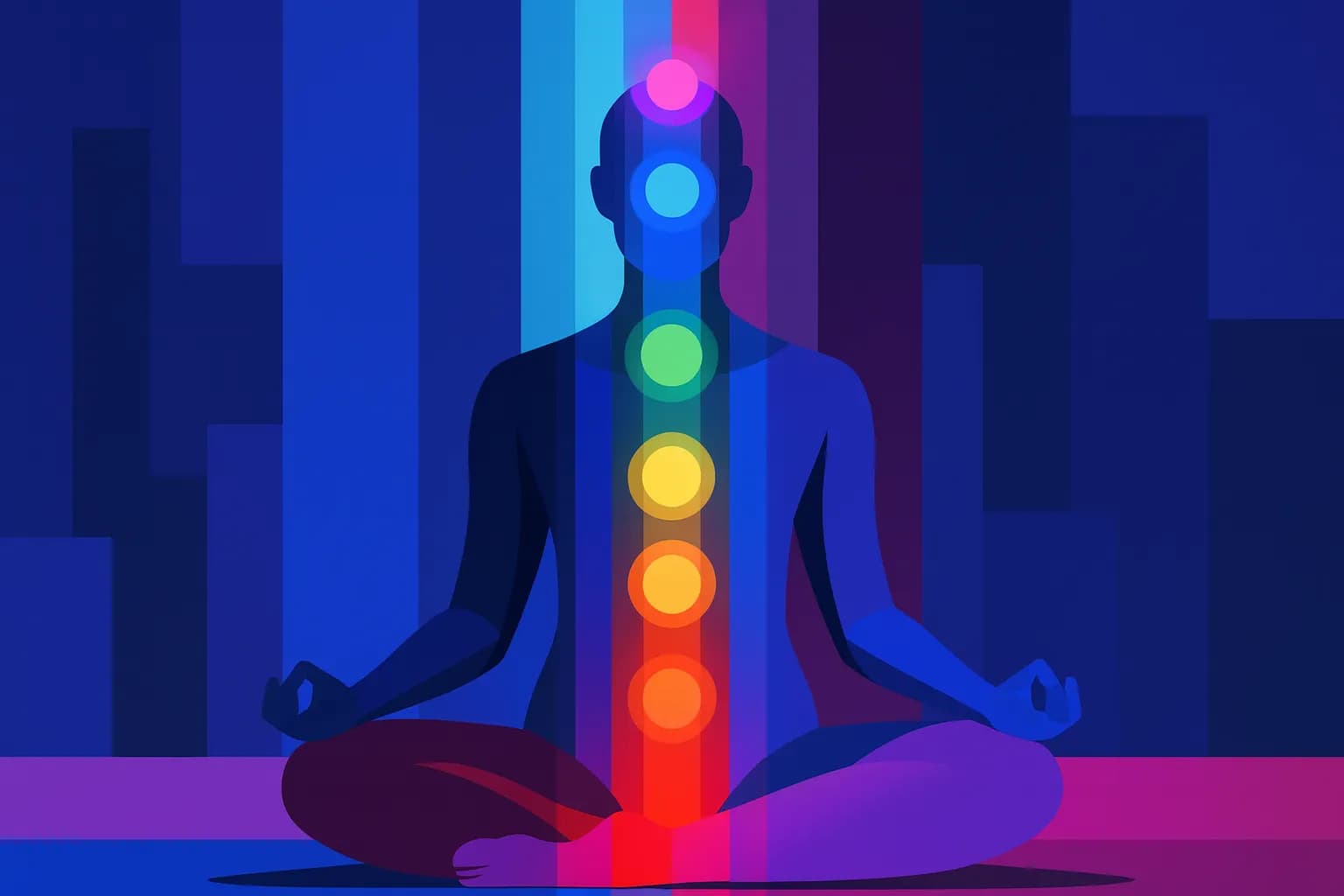
Below is a map of the seven energy centers, each of which holds its own story.
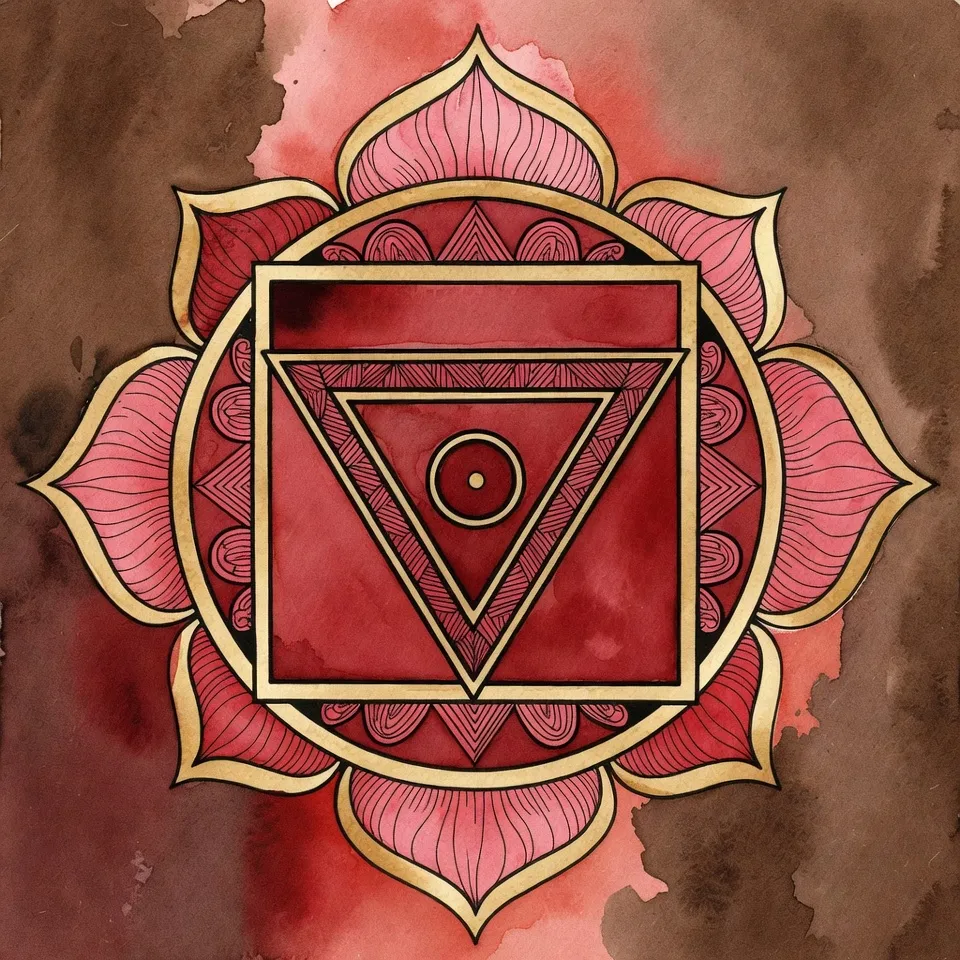
Muladhara — Root Chakra: Trauma of Safety
If the world was unpredictable in childhood — conflicts at home, financial instability, lack of protection — the nervous system recorded the only available response: constant readiness for danger. The body never received the signal that it was safe to relax.
Psychological signs: chronic anxiety, fear of the future, difficulty setting boundaries, a sense that the world is fundamentally unsafe, financial problems, disconnection from reality.
Physical manifestations: lower back pain, sciatica (pinched sciatic nerve), problems with leg joints, varicose veins, chronic adrenal fatigue, eating disorders as an attempt to regain control over something.
Healing practices:
Grounding by walking barefoot on earth or grass
Diaphragmatic breathing: 4 counts on the inhale, 8 on the exhale
Strength exercises for the legs and core
Financial planning and a stable daily routine — anything that creates the feeling of solid ground beneath your feet
Affirmation:
I am safe. The earth supports me.
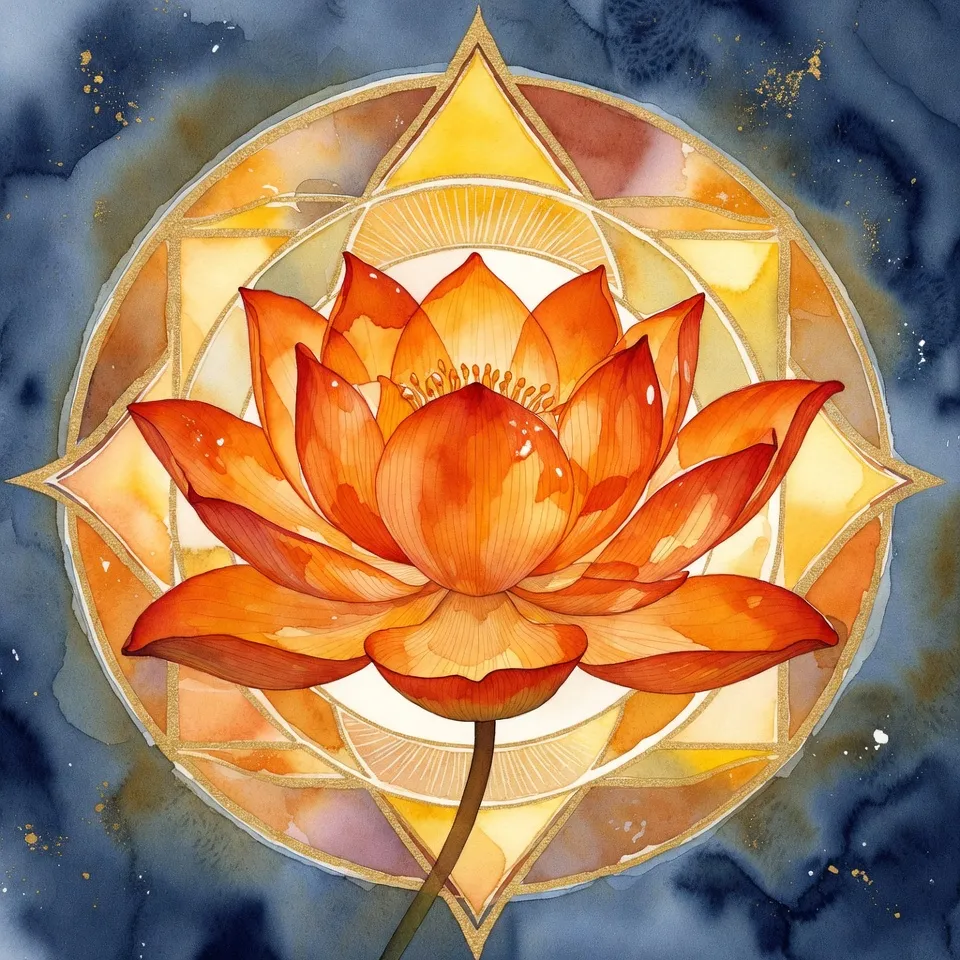
Svadisthana — Sacral Chakra: Suppression of Emotions
"Don't cry," "don't be angry," "don't be so sensitive" — these phrases teach a child that their inner world is unacceptable. When emotions and sexuality are systematically suppressed or associated with shame, the second center freezes. The energy of pleasure becomes something suspicious — or entirely unavailable.
Psychological signs: difficulty experiencing pleasure, emotional detachment or, conversely, addictions as a way to numb the emptiness, creative block, problems in close relationships.
Physical manifestations: PMS, painful menstruation, decreased libido, vaginismus, lower abdominal pain. Digestive disorders also appear here: the gut and emotions are directly connected via the vagus nerve.
Healing practices:
Dance therapy and free bodily movement
Work with water: baths, swimming, contact with the element
An emotions journal — not for analysis, but to allow feelings
Exploring small pleasures without guilt
Any creative activity: painting, sculpting, music
Affirmation:
My feelings are not a threat. I allow myself to be alive.
Manipura — Solar Plexus Chakra: Loss of Inner Strength
Criticism, devaluation, punishment for independence — all of this extinguishes the inner fire. A child who was repeatedly told "you do everything wrong" either freezes in fear of making a mistake, or, conversely, erupts in aggression — without the possibility of finding a middle ground.
Psychological signs: low self-esteem, inability to defend personal boundaries, fear of making decisions, perfectionism, outbursts of anger, a sense of powerlessness.
Physical manifestations: gastritis, irritable bowel syndrome, a tendency to inflammation, sharp weight fluctuations, gallbladder problems, chronic fatigue. The gut — the body's "second brain" — responds to anxiety faster than we can consciously notice.
Healing practices:
Strength training as a way to literally feel your own power
A list of achievements — small and large
Confidence practices: posture, voice, gaze
Work with fire: meditation on a candle flame
Gradual willpower development through small, consistent decisions
Affirmation:
My power is mine. I have the right to occupy my space.
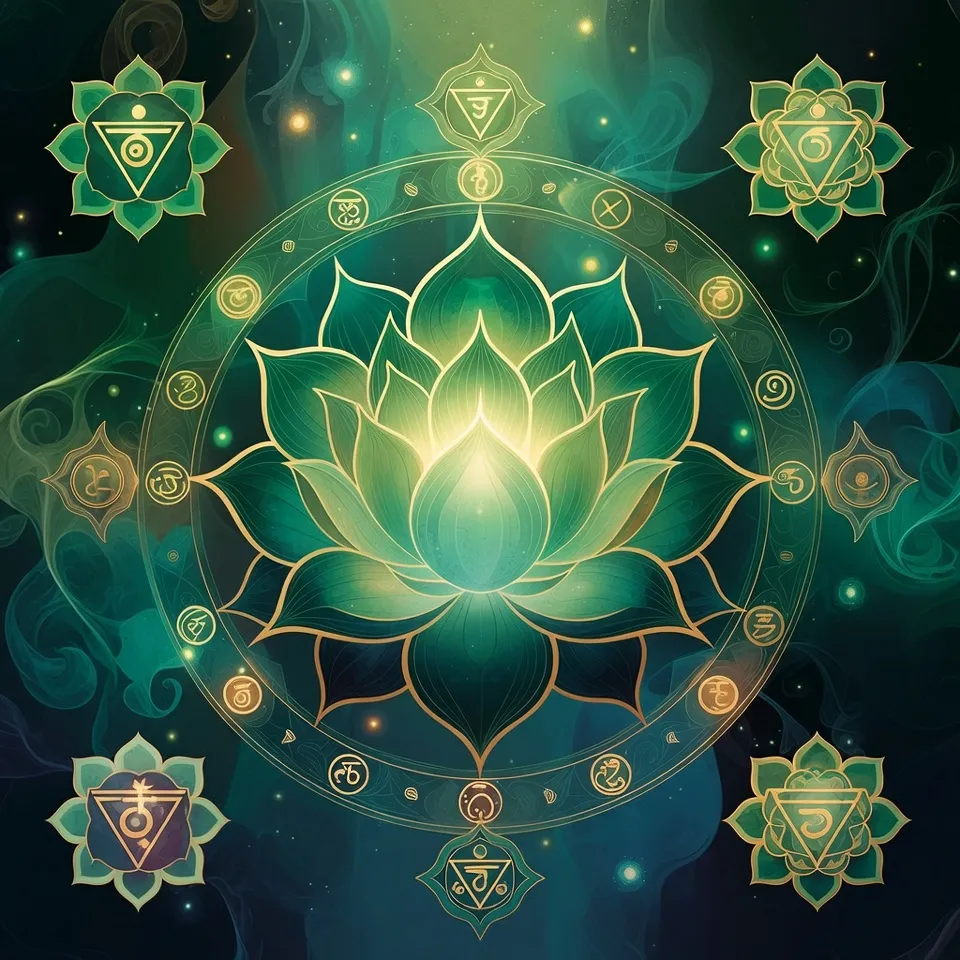
Anahata — Heart Chakra: Wounds of Intimacy
When closeness in childhood was unsafe — coldness, inconsistency, betrayal — the heart closes. Not out of weakness, but out of learned wisdom: it felt safer to survive that way. The problem is that this decision remains even when the danger is long gone.
Psychological signs: fear of close relationships, avoidance of vulnerability, inability to trust, overprotectiveness ("rescuer" behavior) as a substitute for real closeness, emotional rollercoasters.
Physical manifestations: shortness of breath related to anxiety, a feeling of tightness in the chest, tachycardia, autonomic dysfunctions, predisposition to bronchial and cardiovascular reactions.
Breathing techniques with emphasis on expanding the chest
Practice of forgiveness — starting with yourself
Physical contact: hugs, tactile closeness with those you trust
A gratitude journal
Affirmation:
I am worthy of love. Opening up is not weakness.
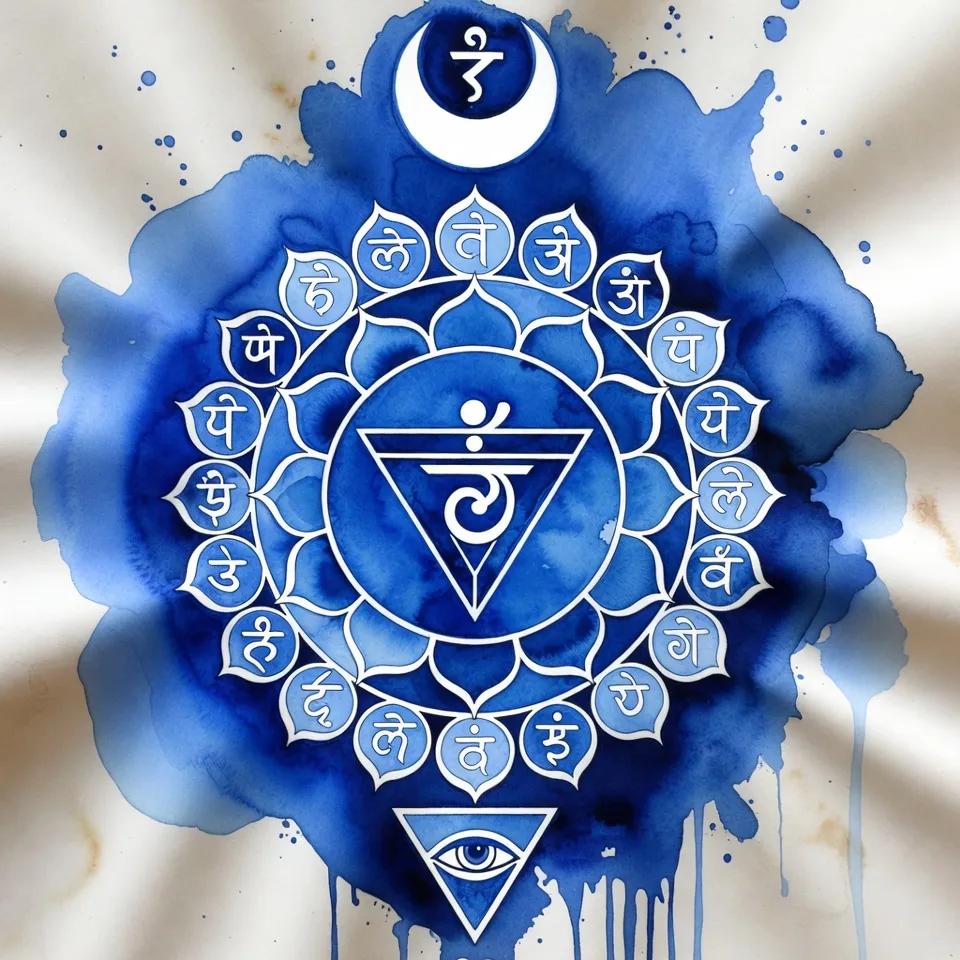
Vishuddha — Throat Chakra: Silence Instead of Voice
The throat remembers better than the mind. If a child was not listened to, mocked, or punished for honesty, the body learns: speaking is dangerous. Words get stuck inside, turning into a "lump in the throat" — sometimes literally.
Psychological signs: fear of self-expression, difficulty articulating desires and needs, avoidance of conflict, inability to say "no," chronic feeling of things left unsaid. Sometimes the opposite: excessive talkativeness as an attempt to fill the silence.
Physical manifestations: vocal cord problems, chronic tonsillitis, muscle tension in the neck and shoulders, thyroid dysfunction — both hypo- and hyperfunction.
Healing practices:
Singing — even for yourself, even quietly
Keeping a journal or blog: writing as a form of voice
Simple but real phrases: "this works for me" / "this doesn't work for me"
Reading aloud
Shouting in a safe space — a forest, a car, into a pillow
Developing bodily sense of your "yes" and "no"
Affirmation:
My voice matters. I speak my truth.
Ajna — Third Eye: Mistrust of Oneself
Ajna — Third Eye
Gaslighting — when adults systematically denied a child's reality ("you imagined it," "you're making it up," "don't invent things") — teaches not to trust one's own perception. The internal compass breaks. A person begins to rely on others' bearings instead of their own.
Psychological signs: lack of inner clarity, difficulty concentrating, dependence on others' opinions when making decisions, endless analysis without conclusions, a sense of "fogginess" in the head.
Exercises to recognize bodily signals: what is happening in the body right now?
A questions journal — without the search for immediate answers
Working with images, metaphors, symbols
Developing everyday observance as training in presence
Affirmation:
I trust my perception. My intuition is a reliable source.
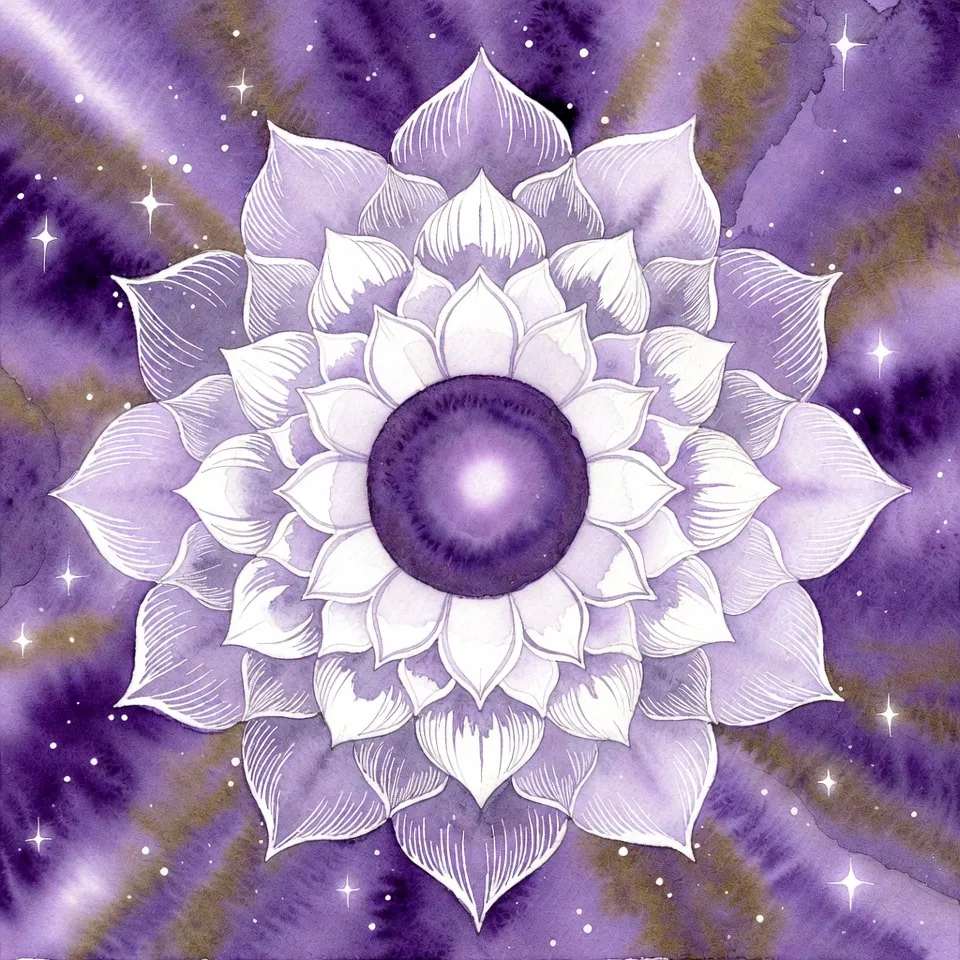
Sahasrara — Crown Chakra: Existential Emptiness
Sahasrara — Crown Chakra
A child who had to survive alone learns: "I'm only for myself." The connection to something greater — nature, people, meaning — is severed not mystically, but quite concretely: through chronic tension, hyperrationality, and the habit of not expecting help.
Psychological signs: a sense of inner emptiness, feeling "outside life" or "watching oneself from the outside," loss of meaning, difficulty trusting. Sometimes a retreat into rigid rationalism or, conversely, fanaticism as an attempt to find support.
Physical manifestations: circadian rhythm disturbances, hormonal imbalances, illnesses against the background of nervous system depletion, chronic headaches, autonomic crises, depression. Prolonged isolation increases levels of inflammatory markers in the blood — this is no longer a metaphor.
Healing practices:
Silent meditation: the practice of simply being
Time in nature without a phone
Studying philosophy or spiritual traditions — not for answers, but for questions
Gratitude practice as a way to notice connection with life
Affirmation:
I am part of something greater. Life carries me.
Conclusions
Chakras are not esotericism for the sake of esotericism. They are a living language for talking about the nervous system, attachment, and bodily memory. When we work with a block, we are not "fixing the energy" — we are reclaiming something very real: the ability to feel, choose, trust, and be truly alive.
Blocks formed over years. Patience and regularity of practices are not pretty words, but a necessary condition. And if serious traumas lie behind them, the best thing you can do is combine body-centered practices with work with a professional psychologist or psychotherapist. The two do not contradict each other. On the contrary — they strengthen one another.
The body remembers everything. And it also knows how to let go.