Separation of parents and children is a complex, multi-stage process that begins at the birth of a child and continues until their full adult autonomy. Properly navigating the stages of separation helps form an independent, self-confident personality capable of building mature relationships with others.
Types of separation by age
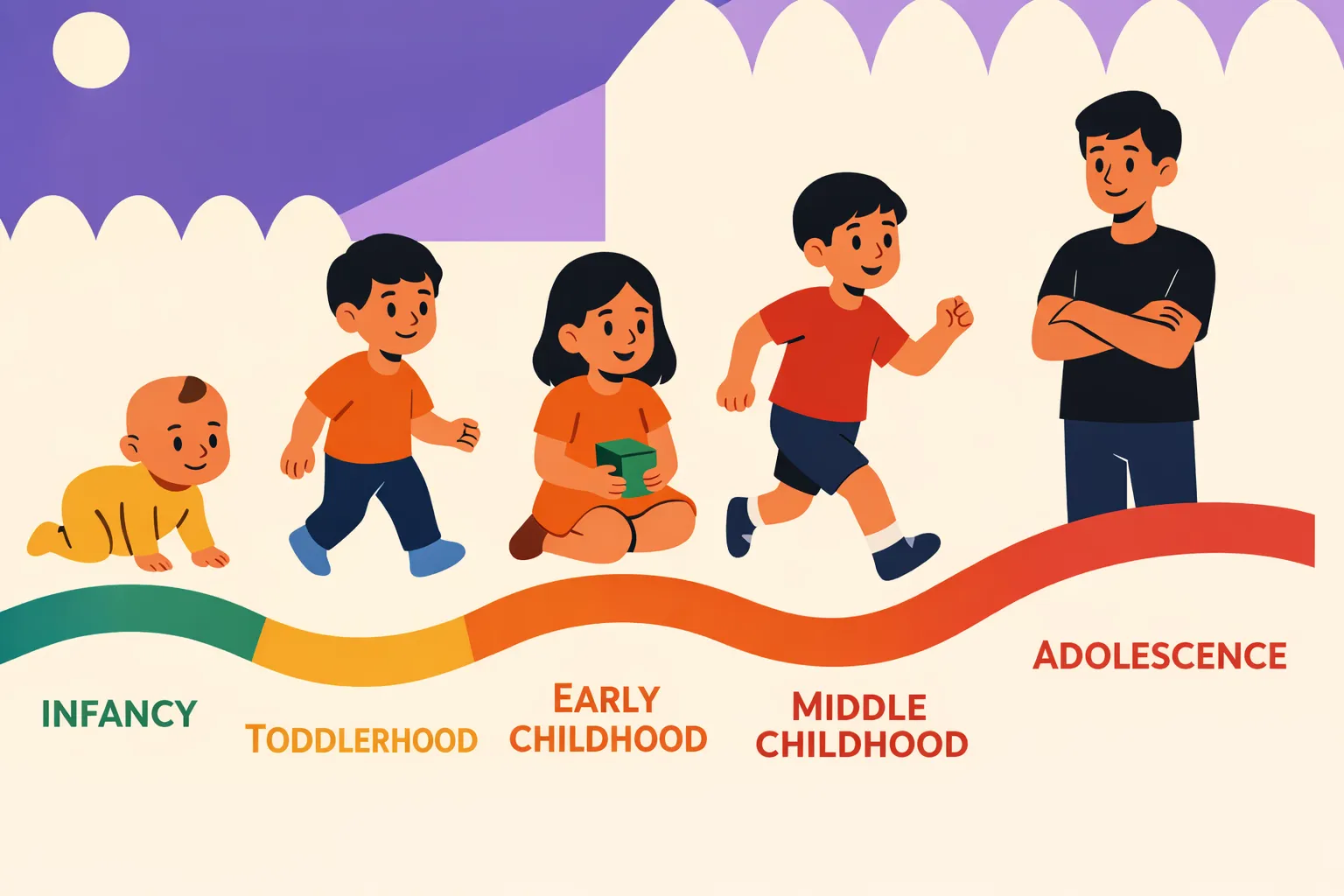
Infancy (up to 1 year): The baby is completely dependent on the parents, especially the mother. It is during this time that the basic trust in the world is formed — the feeling that the world is safe and you can relax. Any separation from the mother is frightening, so serious separation is premature. These are more like the first tiny steps toward independence — for example, when the baby sleeps in their own crib.
Early childhood (1–3 years): The child begins to understand: "I am me, not a continuation of mom." There is a desire to do everything themselves. The famous three-year-old crisis is the first real attempt to separate, when the child learns to say "no" and defend their desires.
At this period, an inner support is formed. The child knows: mom and dad exist, they are nearby, they are safe. When fear or discomfort arises, mom comes and fixes everything (it is important not to delay this moment). The child develops a sense of: "I am the center of the universe."
If the support has not formed, in adult life a person may be plagued by anxiety, a desire to control everything, panic attacks. And if the support exists — they are disciplined, systematic, do not get lost in critical situations.
Preschool age (3–7 years): The desire to be independent grows each day. The child masters simple tasks without adults and learns to make the first independent decisions.
Now a support in relation to the world is formed — how interesting and safe it is. This depends on whether parents are ready to explain everything constantly and support the child’s curiosity.
Parallely, a support in relation to people is formed. The child observes: can mom rely on dad? Does she feel protected? It is from these observations that the understanding of whether one can trust other people forms.
Middle childhood (7–11 years): The world expands — school, new friends, problems to solve on their own. At this age, a sense of self-worth and healthy aggression are formed.
Healthy aggression is the ability to assert one's boundaries and needs. When a child knows from childhood that they can get what they need, inner dignity is formed.
I have the right to this. I want — therefore I can take.
Healthy aggression is the ability to defend one’s own and one’s boundaries. And this requires a lot of inner resources.
Negative aggression is when a person puts others' interests above their own, endures and humiliates themselves. If there was danger in childhood and the child could do nothing, only observe — boundaries do not form. If parents constantly said: "You cannot, you do not deserve this" — there will be no inner support.
Adolescent age (11–18 years): The most turbulent stage of separation. The adolescent seeks themselves, forms their own views, values, norms. Conflicts with parents are normal because they demand more freedom.
The task of parents is to be involved, but give a choice. Guide, not command. Be ready to listen and give advice, but not impose decisions.
Youth age (18–27 years): The separation process is completed. Relationships with parents rise to a new level — on equal terms. Full autonomy in life decisions appears. Emotional separation forms: a person no longer relies on their parents’ emotions. They have their own path, and they go along it independently of parental wishes and worries.
Four types of separation
Psychologist J. Hoffman identifies four types of separation:
Emotional – liberation from dependence on parental approval. Formation of one's own emotional independence.
Functional – the ability to solve everyday tasks on one's own, provide for oneself, make decisions without constant support.
Attitudinal – development of one’s own views and beliefs that may differ from parental ones.
Conflict – the ability to defend one’s opinion, even if parents do not agree.
How to support separation:
Tools for assessing separation:
Key conclusions
Separation is not a one-time event, but a long process. It requires patience, respect for the child’s personality, and a willingness to change together with them. Proper support at every stage helps raise a mature, independent personality capable of building healthy relationships with others and with the parents themselves.