Have you ever caught yourself thinking you want to escape the city’s hustle to somewhere in the countryside? In an era where hustle culture dictates the rules of the game and social networks have turned into a race for productivity, I felt I was on the verge of burnout. I realized something needed to change urgently. I decided to implement the Slow Living concept in my life as a form of self-preservation from overheating.
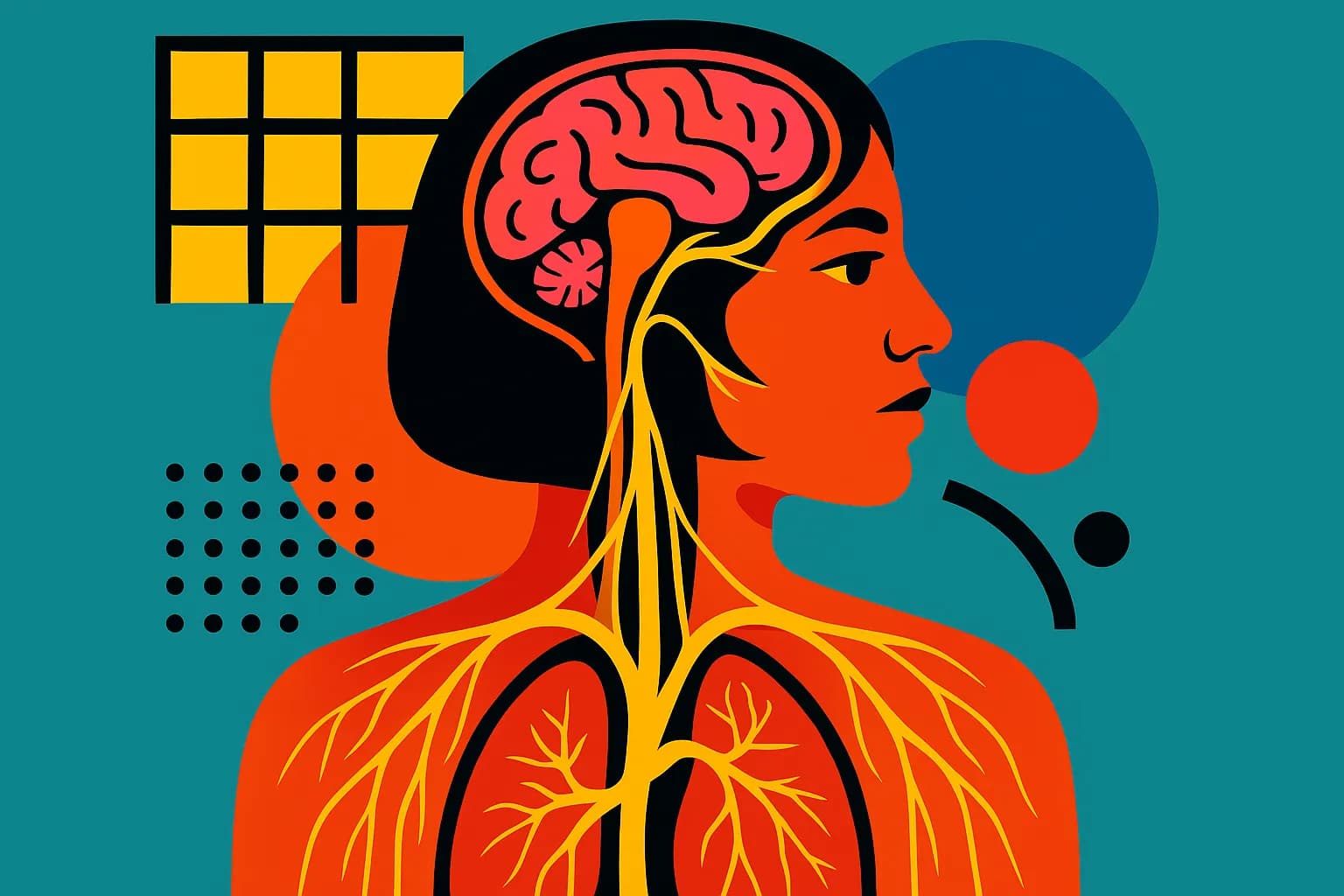
Slow living is not about speed, but about focus of attention and returning to oneself. In scientific literature, this state is linked to a decrease in cognitive load and the restoration of the prefrontal cortex — the area responsible for decision making, concentration, and emotional self-regulation. When attention is distributed chaotically, the cortex becomes overloaded. When we consciously slow down — the brain regains clarity.
Studies on stress in megacities record higher levels of cortisol and amygdala activity — the brain area responsible for threat response. It is not surprising that people widely seek ways to reduce this “urban hyperactivation.”
What Slow Living really is
Slow Living is not a rejection of ambition and not a romanticization of rural life. It is a conscious choice of quality over quantity, presence over multitasking. The philosophy originated in Italy in the 1980s as a counterpoint to fast-food culture and later grew into a movement that encompassed the entire lifestyle.
In the city Slow Living is not about doing everything slowly, but about choice. Where to speed up, and where to stop and exhale. Where it is important to make a decision immediately, and where it is useful to take a pause for reflection and focus.
How to implement Slow Living in urban life
Rethink your morning
Instead of waking up to an aggressive alarm and grabbing your phone right away, create a “buffer zone.” I try to wake up without an alarm and not touch the phone for the first hour. Even 15 minutes without screens — for stretching, meditation, or simply coffee — changes the tone of the whole day. Morning hours are the most vulnerable for mental health, and loading them with news or short videos is a sure path to anxiety.
What works in the morning:
mood diary — a ritual of self-reflection that helps to become aware of your states;
day programming — 15 minutes of planning to avoid living a chaotic day;
physical activity — even 10 minutes activates the body;
a quality breakfast — a key meal that kickstarts metabolism, replenishes glycogen stores, lowers cortisol, and prevents muscle depletion.
Single-tasking as a superpower
The city constantly nudges us toward multitasking: a podcast on the way, messages during lunch, planning the day while brushing teeth. Try an experiment — do one thing at a time.
When you eat — eat. When you walk — walk.
And what became a breakthrough for me: fixed deep work windows. In the calendar — intervals limited to one task. The main rule: no notifications. 30 minutes = one goal.
Digital minimalism
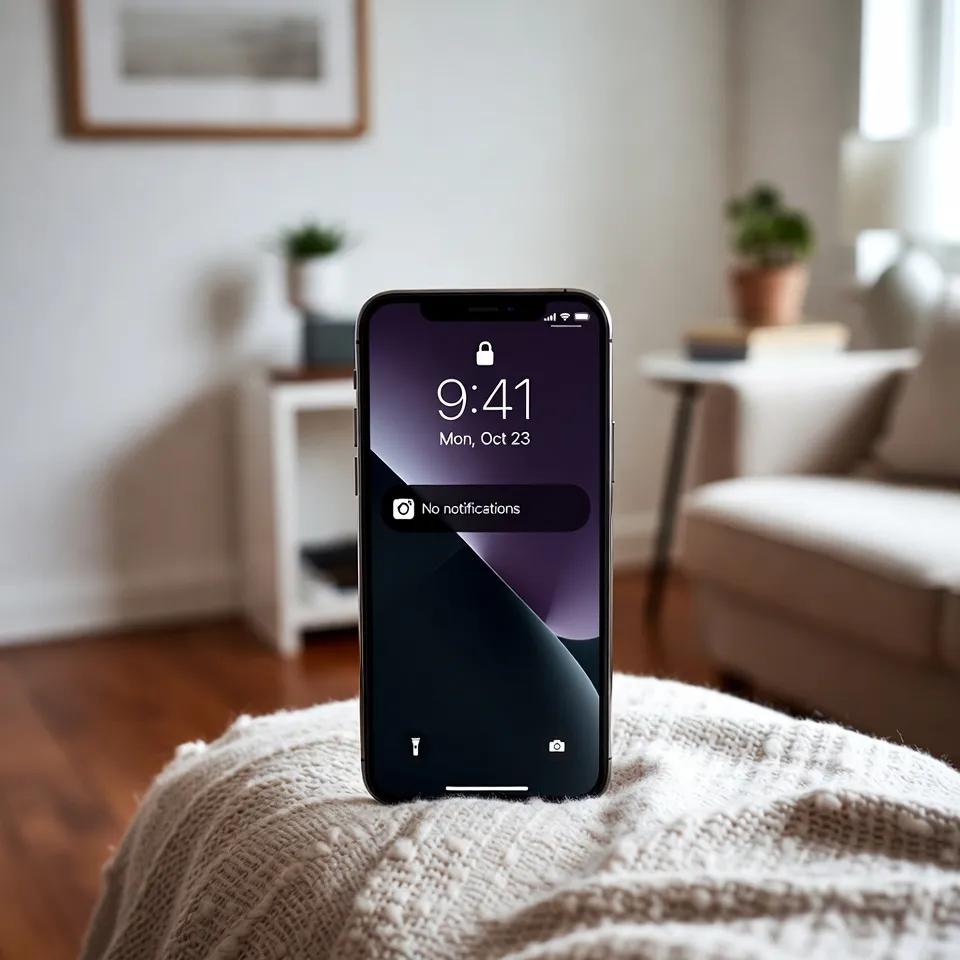
Your smartphone is a portal through which the metropolis penetrates your psyche 24/7. Notifications, feeds, work chats “out of hours.” Slow Living starts with digital boundaries: hours without the phone, removing unnecessary apps, unsubscribing from troubling content.
I turned off almost all notifications, deleted everything that creates noise, and separated work and personal channels. I felt an instant energy and productivity boost.
Micro-oases at home
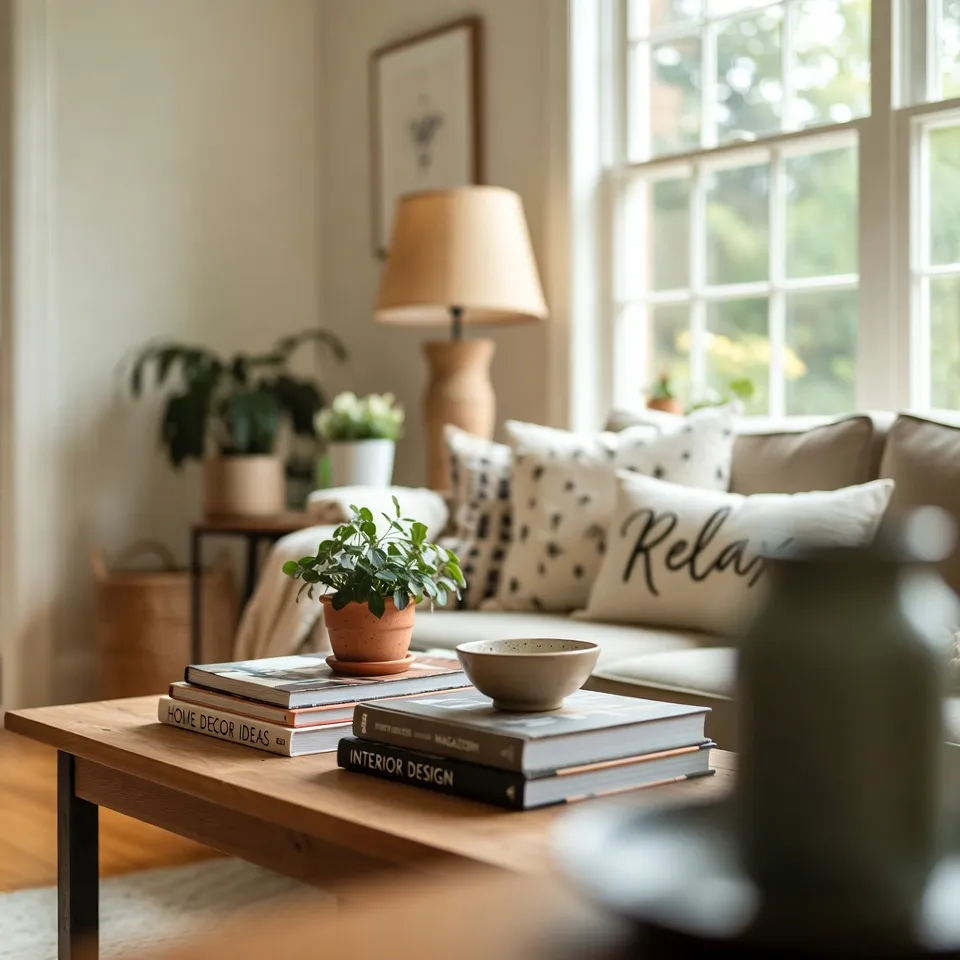
Create zones that help you rest and work. A chair with soft light, a windowsill with plants, a shelf with books instead of useless decor. Clear the space — and the psyche will start to breathe.
Reducing sensory load decreases activity of the sympathetic nervous system and improves heart rate variability — a key marker of resilience to stress.
Don’t fall for FOMO
The city offers endless events: exhibitions, concerts, after-parties, brunches. FOMO is a real metropolitan anxiety. Slowing down begins with allowing yourself not to be everywhere. Choose what is truly valuable.
Nature in the concrete jungle
Connection with nature is the foundation of Slow Living. And no, you don’t necessarily need access to a forest. Parks, embankments, botanical gardens, even a walk around the block — it all works.
I added a daily 30-minute walk to my routine. It is a rest for the eyes, a mental switch, and a quiet form of self-reflection.
Once a month — a trip out of the city to a forest and a lake. A fire and a sauna became an obligatory part of such days. One regular trip recharges more than a week of vacation.
My personal burnout prevention:
daily walks;
once a month — day trip outside the city;
once every three months — a week of rest;
stable rituals and routine.
Rituals and routine
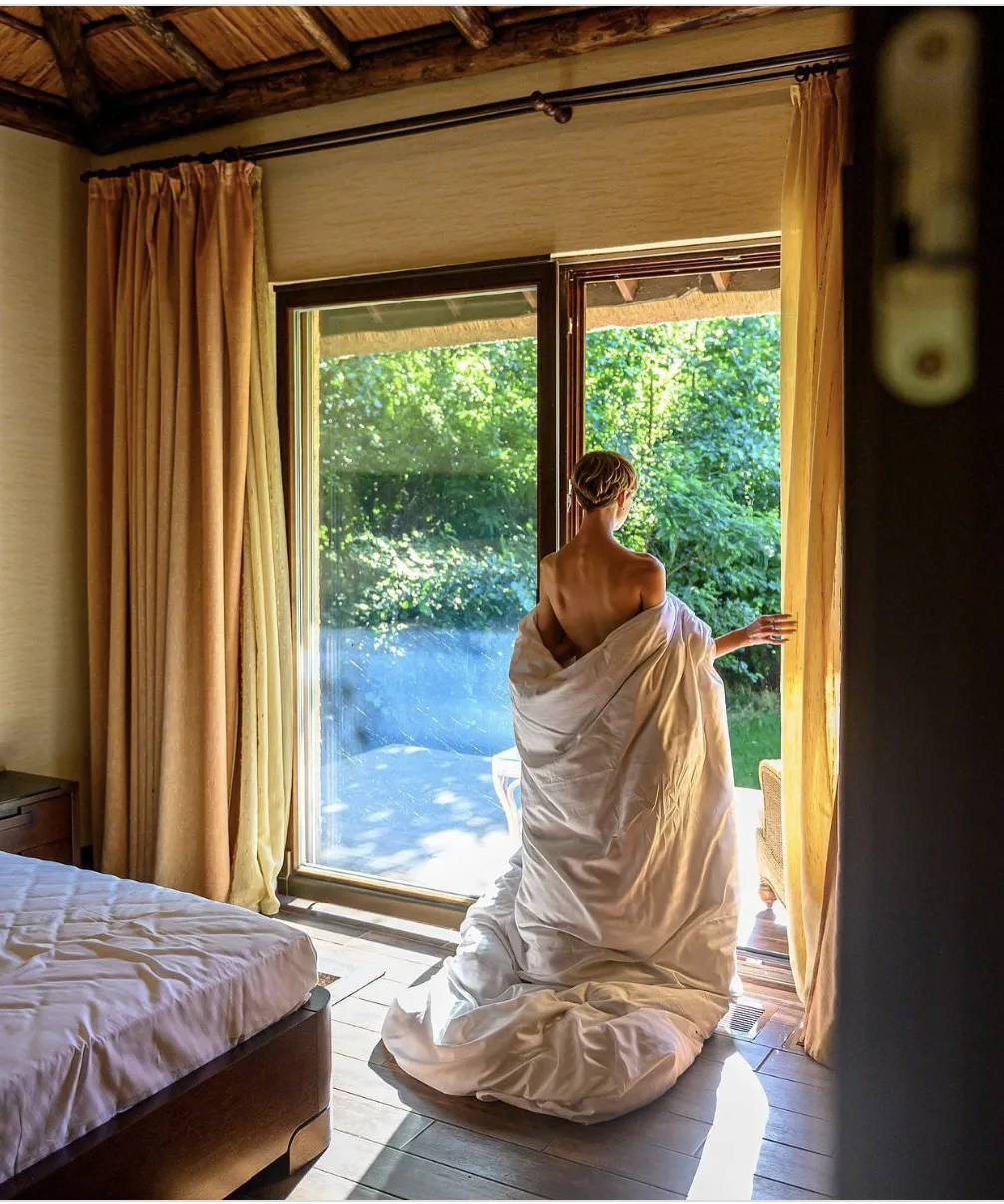
Rituals reduce anxiety by creating predictability and a sense of control. The brain relaxes, cortisol decreases. Repetitive actions activate the parasympathetic nervous system, reducing anxiety by about 20% with regular practice.
My rituals:
morning yoga or gym;
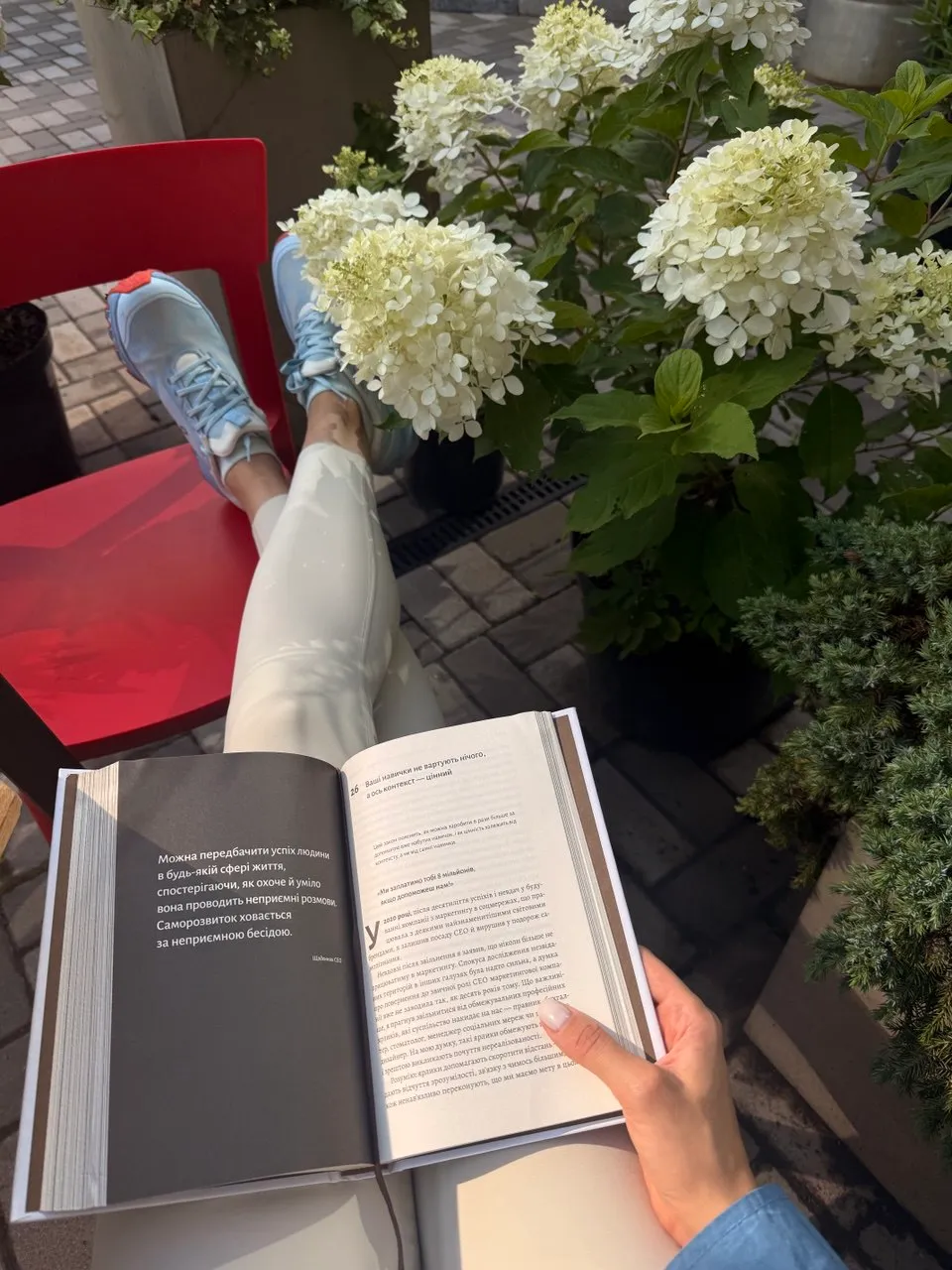
coffee and a book — a favorite part of the day;
an hour for learning — a fixed time for development;
evening walk — rest from the screen and gentle transition;
massage once a week — relieves accumulated tension.
When micro-rituals of slowing appear, heart rate variability increases, sleep improves, irritability and “floating anxiety” decrease.
Conclusion
Among concrete, glass, neon, and schedules, Slow Living becomes not a retreat from the city but a way to adapt to it. It is not about escaping — it is about choosing. About where you direct your attention and how you live your day.
The city will not become quieter. The pace will not slow down on its own. But you can create your own speed within this chaos. Each micro-act of simplification reduces the number of decisions the brain must make — and decisions, as Baumeister’s research shows, exhaust willpower resources.
Slow Living does not require giving up ambitions or the opportunities of the megapolis. It helps not to lose yourself in chasing them.