Digital Minimalism: how to stop scrolling and start living
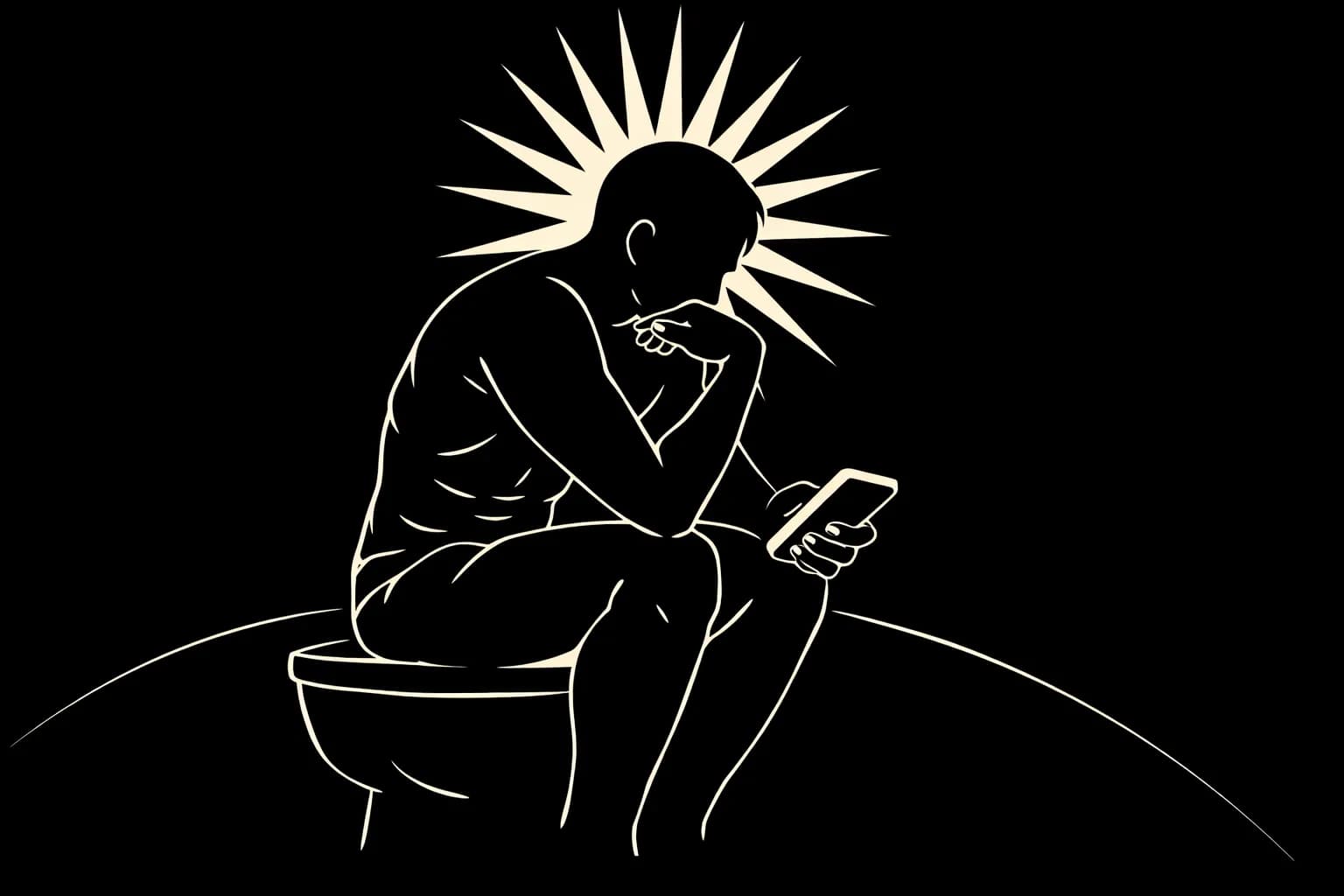
You don’t decide to “start scrolling.” You simply find yourself inside this process — the finger slides on by itself, videos replace each other, minutes vanish. You come to yourself after an hour and realize: something slipped away. Attention. Presence. The sense that you control your time, not it you.
Usually the conversation about time on the phone begins and ends here with a feeling of guilt. But this is a dead end. Let’s honestly look at what is really happening to us on the level of psychology, neurobiology, and numbers. And what digital minimalism is, if you strip away all aesthetics and moralizing.
Your attention is someone else’s business
Most platforms operate on the principle of unpredictable rewards — the very mechanism that keeps slot machines running. A like, a provocative comment, an unexpected video, someone's confession — all of this is unpredictable, and therefore incredibly addicting.
After documentaries like “The Social Dilemma” and investigations into how algorithms work, it became clear: smartphone addiction is not your weakness. It is the result of work by entire teams of engineers and psychologists who for years honed every swipe and notification to trigger a quick dopamine rush and create a loop of habit formation.
What studies say:
MRIs show activation of the same brain regions as in other forms of addiction
Active social media users show reduced gray matter in the brain region responsible for self-control and emotional regulation
The average person checks their phone 96 to 150 times a day
This is not about weak willpower. It’s about engineering aimed directly at your nervous system.
FOMO is not your trait, but a stress response
The fear of missing something important (Fear of Missing Out) is not a character trait. Studies link it to:
increased cortisol, a stress hormone
decreased life satisfaction
rising anxiety and depressive symptoms
Scientists found: FOMO is literally a bridge between endless scrolling and worsening psychological state. The brain perceives constant comparison with others as a threat. The threat triggers a hypervigilant mode. Vigilance exhausts.
Therefore even rest stops being restorative — the brain simply doesn’t turn off.
Not about the number of hours
Usually people argue about how much time to spend on the phone. But psychologists focus on something else — how torn your attention is.
Important distinction:
Active, mindful use (chatting with friends, reading an article) — neutral or even beneficial
Passive, algorithmic consumption (mindless scrolling) — leads to intrusive thoughts, emotional burnout, attentional depletion
Long-term studies show: it is exactly passive scrolling associated with depressive symptoms, while meaningful communication with loved ones is not.
The problem is not screens. The problem is that we allowed algorithms to decide where to direct our attention.
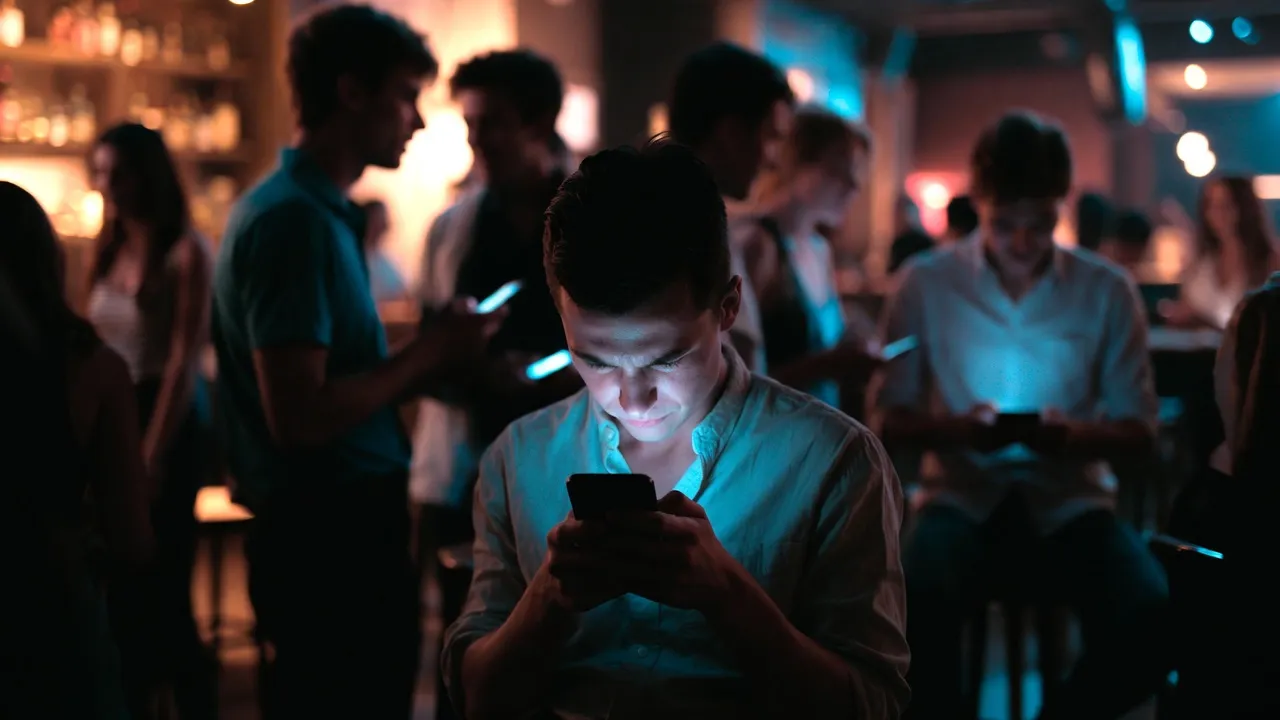
What digital minimalism is
The term was introduced by Cal Newport — a scholar and author of the book "Digital Minimalism" (2019). He describes it as a philosophy in which you consciously choose a few digital activities that truly support your values, and calmly ignore everything else.
In simple terms: mindful reduction of digital noise to reclaim attention, emotional balance, and the ability to act in accordance with your own meanings rather than others’ triggers.
Why this works:
Creating friction breaks automatic habits
Reducing the flow of new information restores the sensitivity of the reward system
Attention becomes your resource again, not a reflex
What actually helps (according to research)
1. Simplify choices, don’t restrict yourself
Willpower is a limited resource, especially when you have to make hundreds of small decisions every day. Try keeping one social network instead of five. Set a specific window to check news — morning or evening — instead of keeping apps open all day in the background. Fewer choices — less fatigue from constant resistance.
2. Create friction between you and the screen
You don’t need to hide your phone in another room (usually doesn’t work). Instead, hide the apps. Move them from the home screen into a folder, disable notifications, make it so you must perform a few extra actions to access them. Even one extra second to find the icon statistically reduces automatic checks. The brain has time to ask: “Do I really need this right now?”
3. Swap fast dopamine for slow
The brain doesn’t need less pleasure. It needs a different pleasure — deeper, drawn-out over time. Reading a book, a long walk without headphones, handwork, strength training — all activate the reward system as well, but differently. Not in an explosion, but in a wave. This reconfigures the nervous system, not in three days, but over several weeks. The brain needs time to relearn how to enjoy the process, not just the instant result.
4. Reclaim the right to be bored
Boredom is not a system error. It is an entry into a special brain state associated with creativity, meaning-making, and the search for meaning.
Paradoxically, even on TikTok there is a trend #boredom — millions of videos where people deliberately sit for 20-60 minutes, looking out the window, waiting. It is a collective acknowledgment: we have forgotten how to do nothing. And we massively miss it. A platform designed for maximum stimulation every second has unexpectedly become a space for longing for emptiness. This is a symptom of cultural burnout — and at the same time the start of a path to recovery.
What changes when scrolling moves to the background
Within 3-6 weeks people most often notice:
time seems to expand
background anxiety decreases
it becomes clearer what you actually want
the sense of one’s own needs and desires returns
it's easier to focus and concentrate
Not euphoria. Just more reality.
Conclusions
Digital minimalism will not make you the “best version of yourself.” It simply reduces the number of false alarms and returns attention to where your life is really happening. The future of mental health is not in rejecting technology. It is in consciously choosing how we interact with it.
What’s important to remember:
This isn’t about willpower. Algorithms are specifically designed to bypass your self-control. Acknowledging this means releasing guilt and finding real solutions.
Count not the hours, but the quality of presence. An hour of meaningful online interaction and an hour of mindless scrolling are completely different things. It’s not how much, but how and why.
Boredom is a resource, not an enemy. In moments when there is nothing to occupy you, the brain integrates experience and creates meaning. Filling every pause with content deprives us of this process.
Changes are built through structure, not promises. One barrier between you and the app works more effectively than a hundred oaths of “I won’t do it again.”
Start small: delete one app, set aside an hour of quiet, go for a walk without headphones. Life does not happen in the feed. It happens where you are fully present.
How was this article?
Share